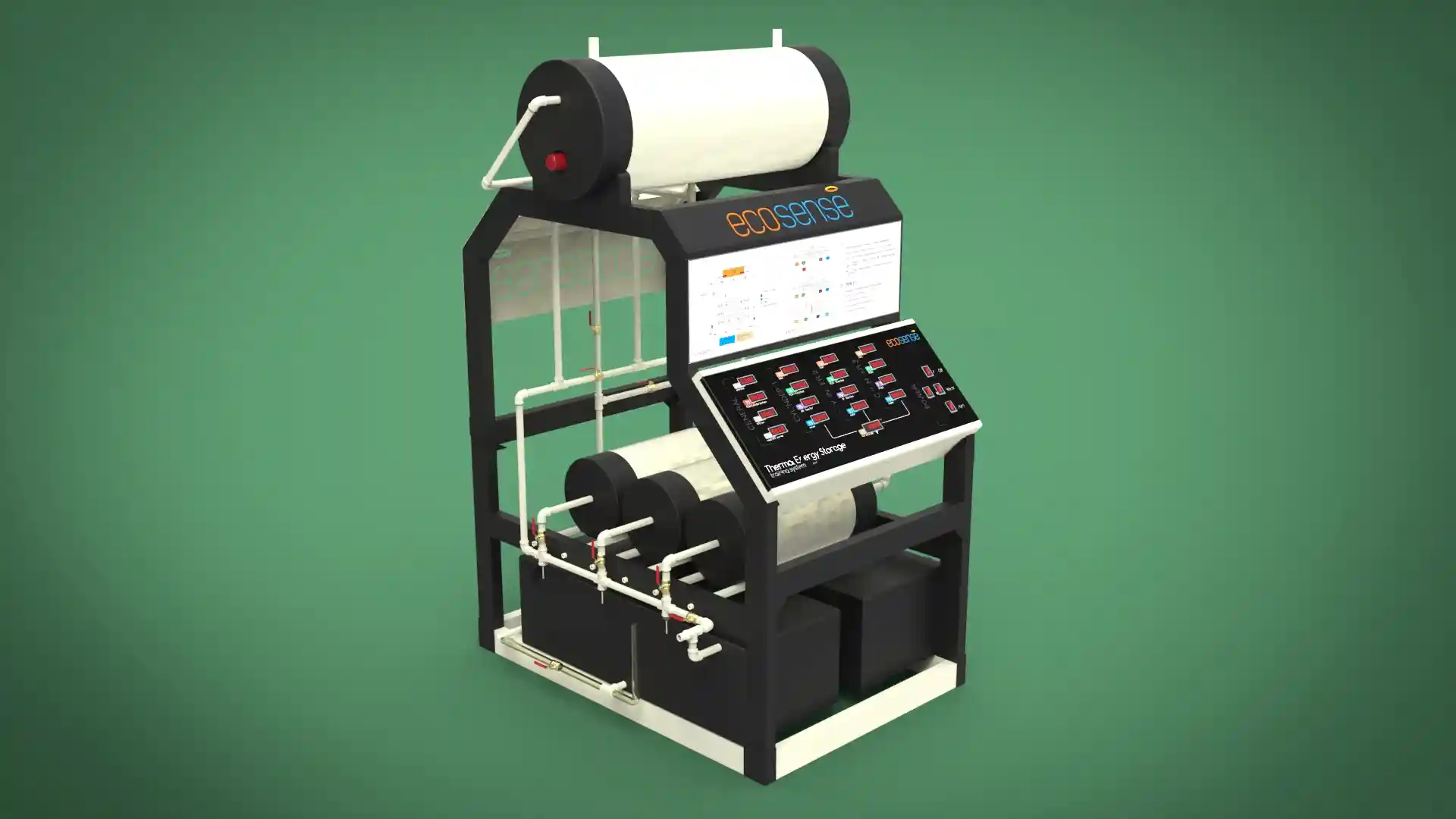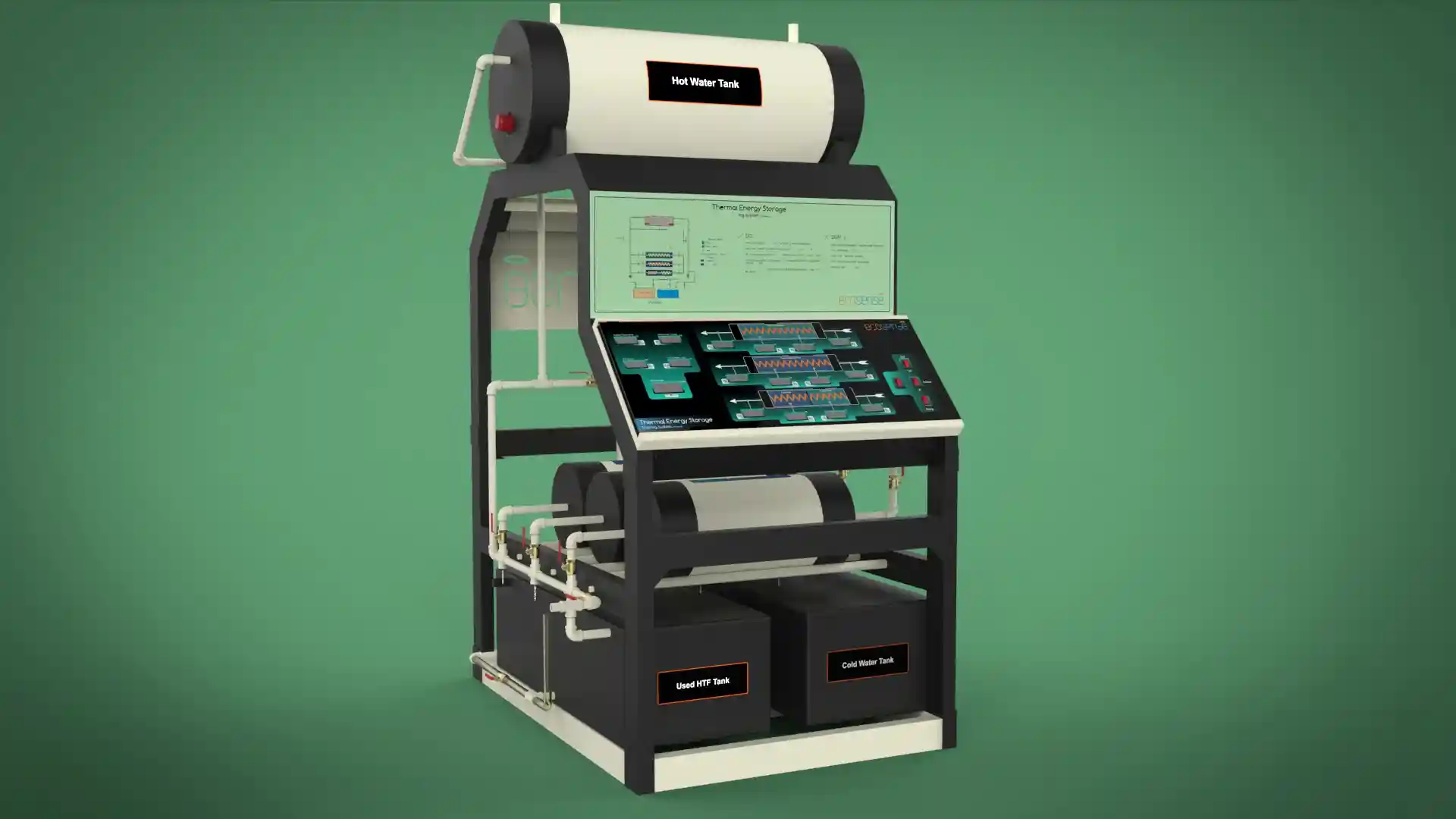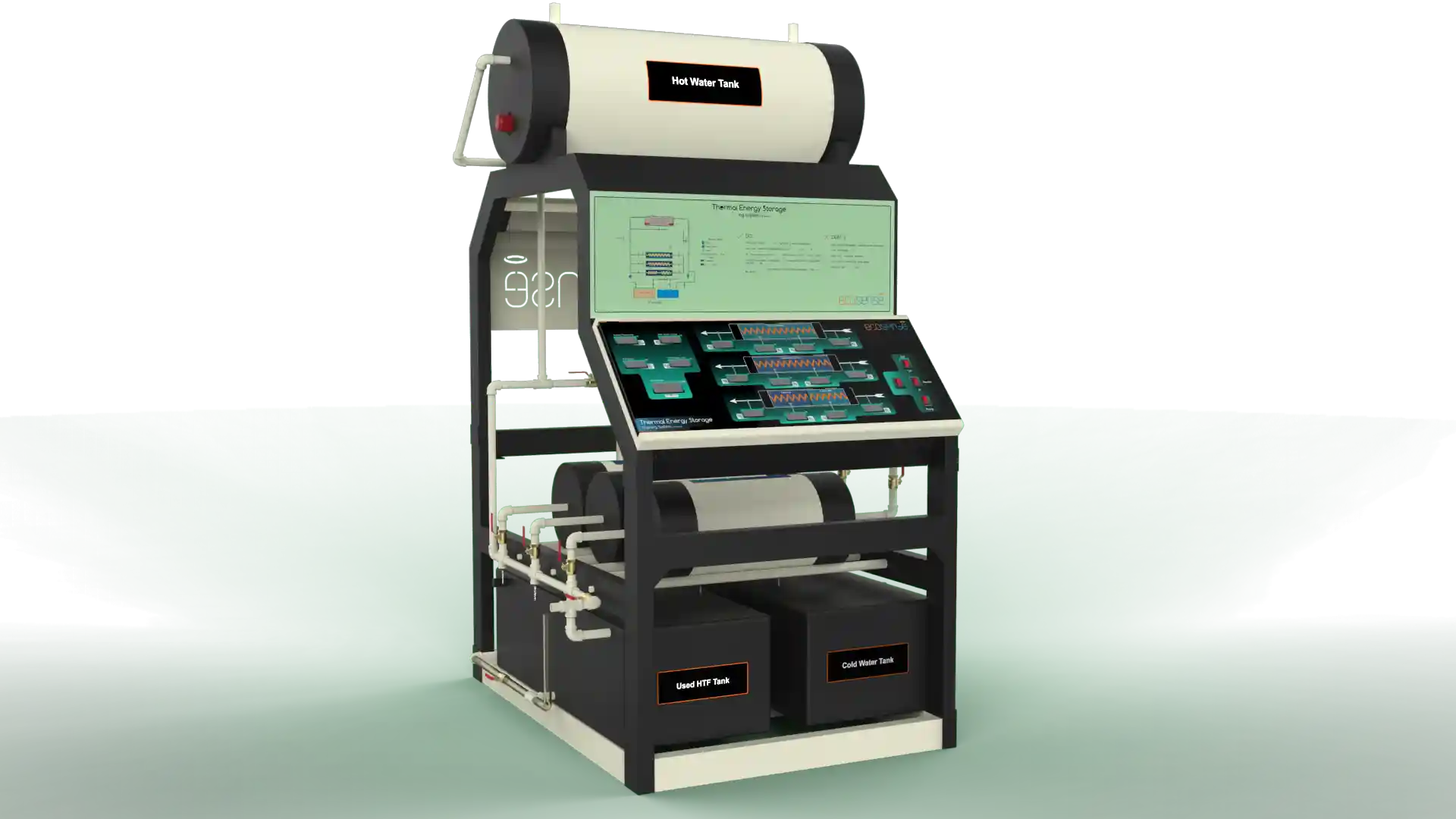
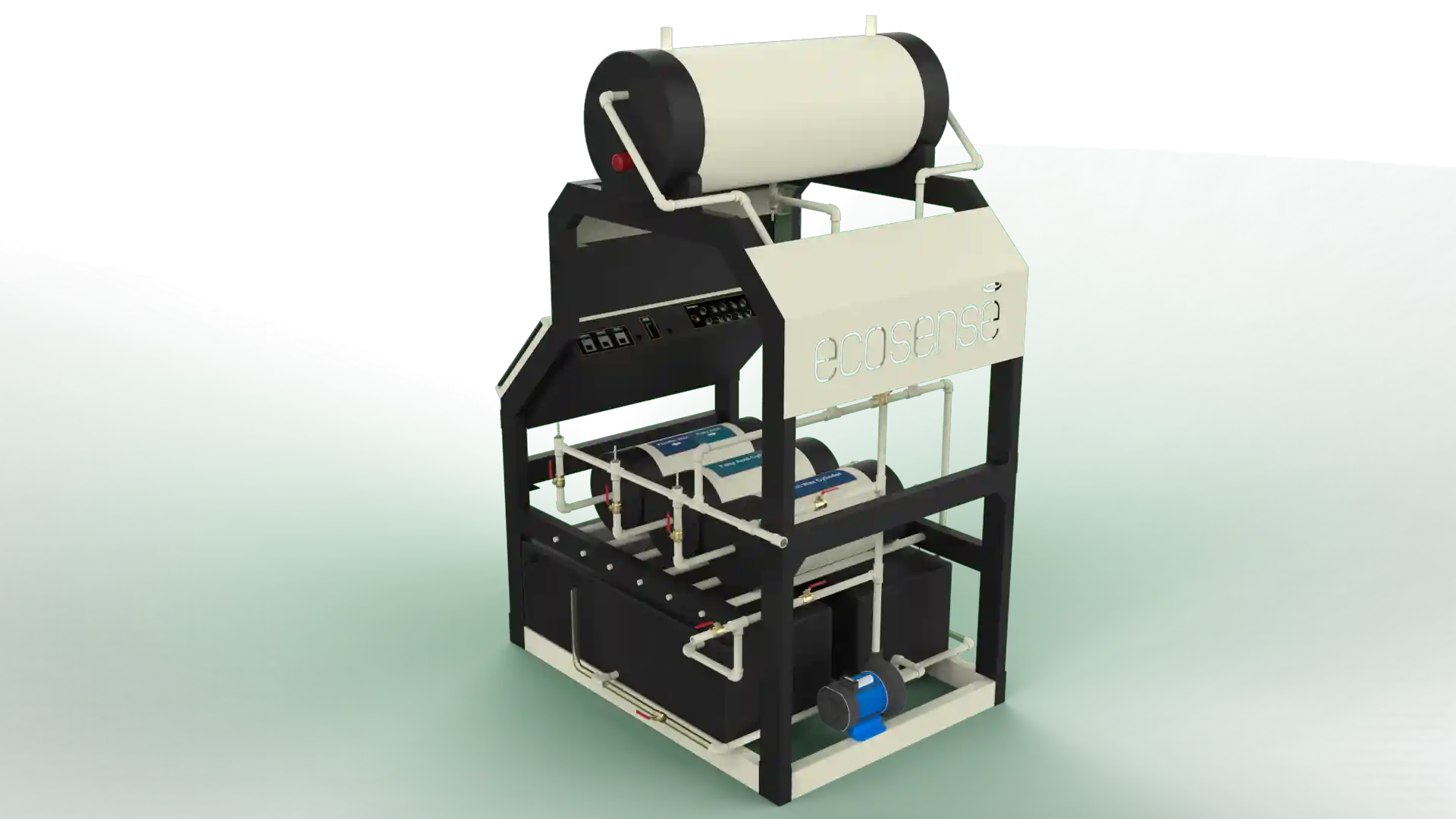
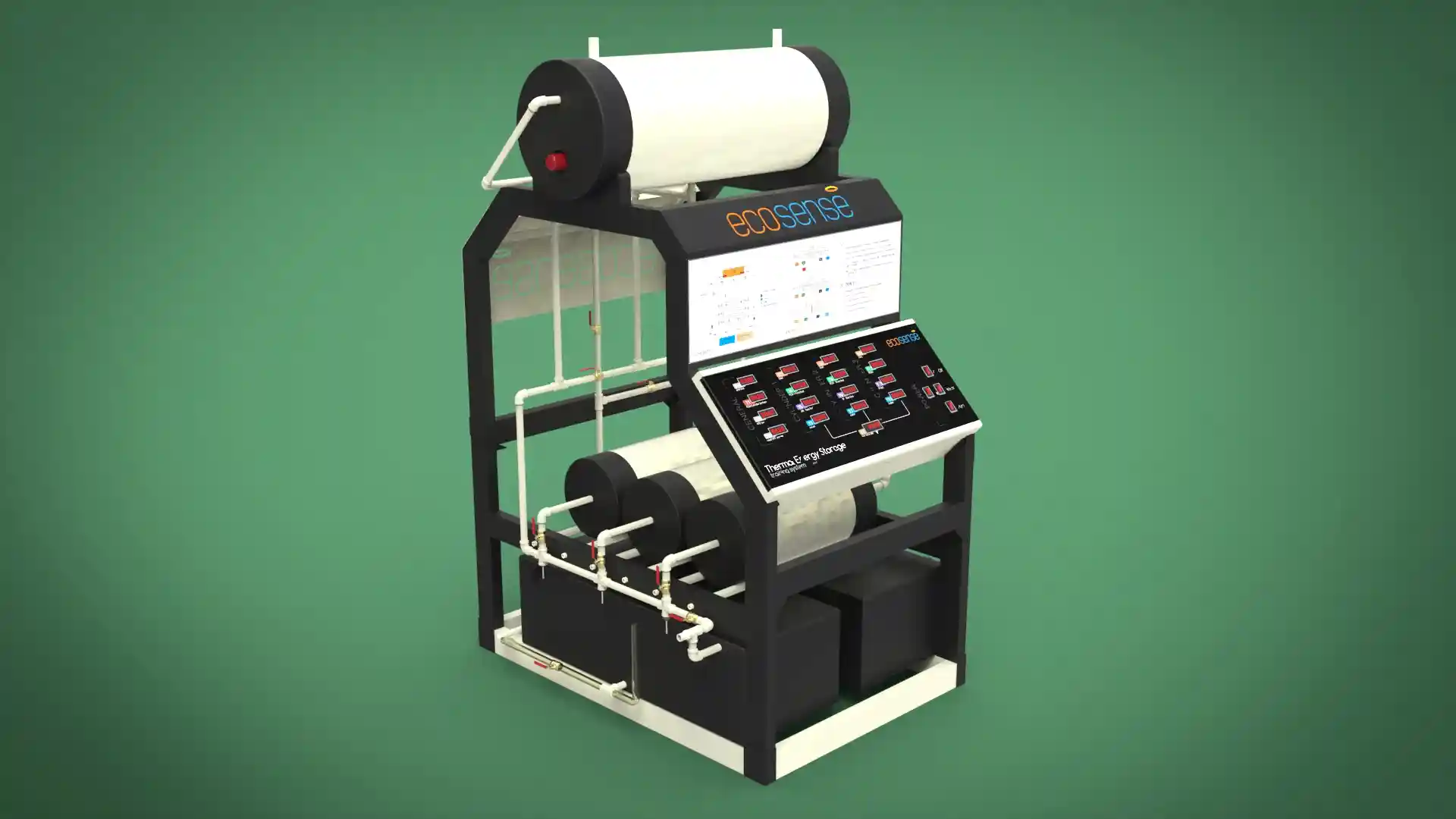
Thermal Energy Storage System 

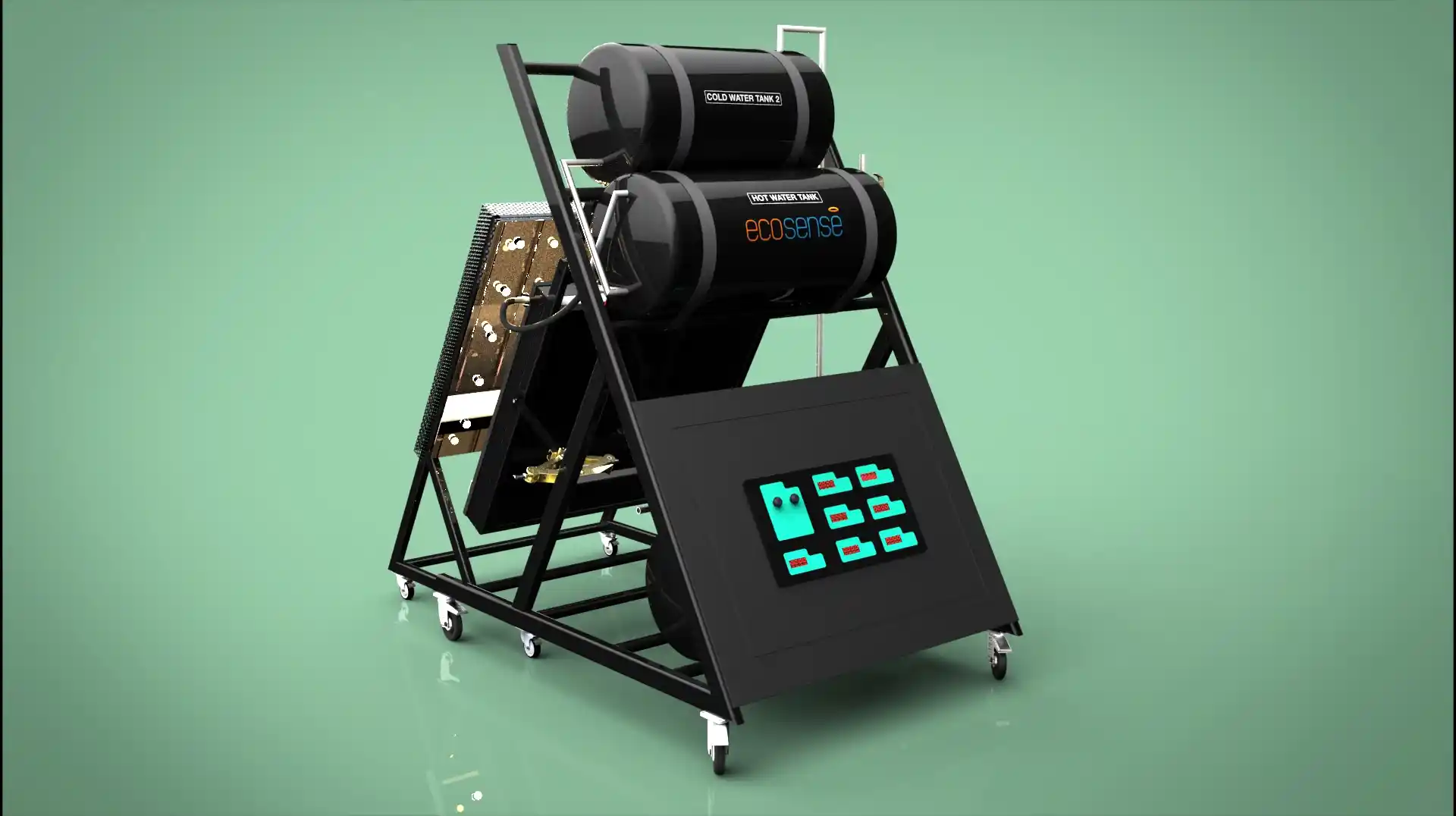
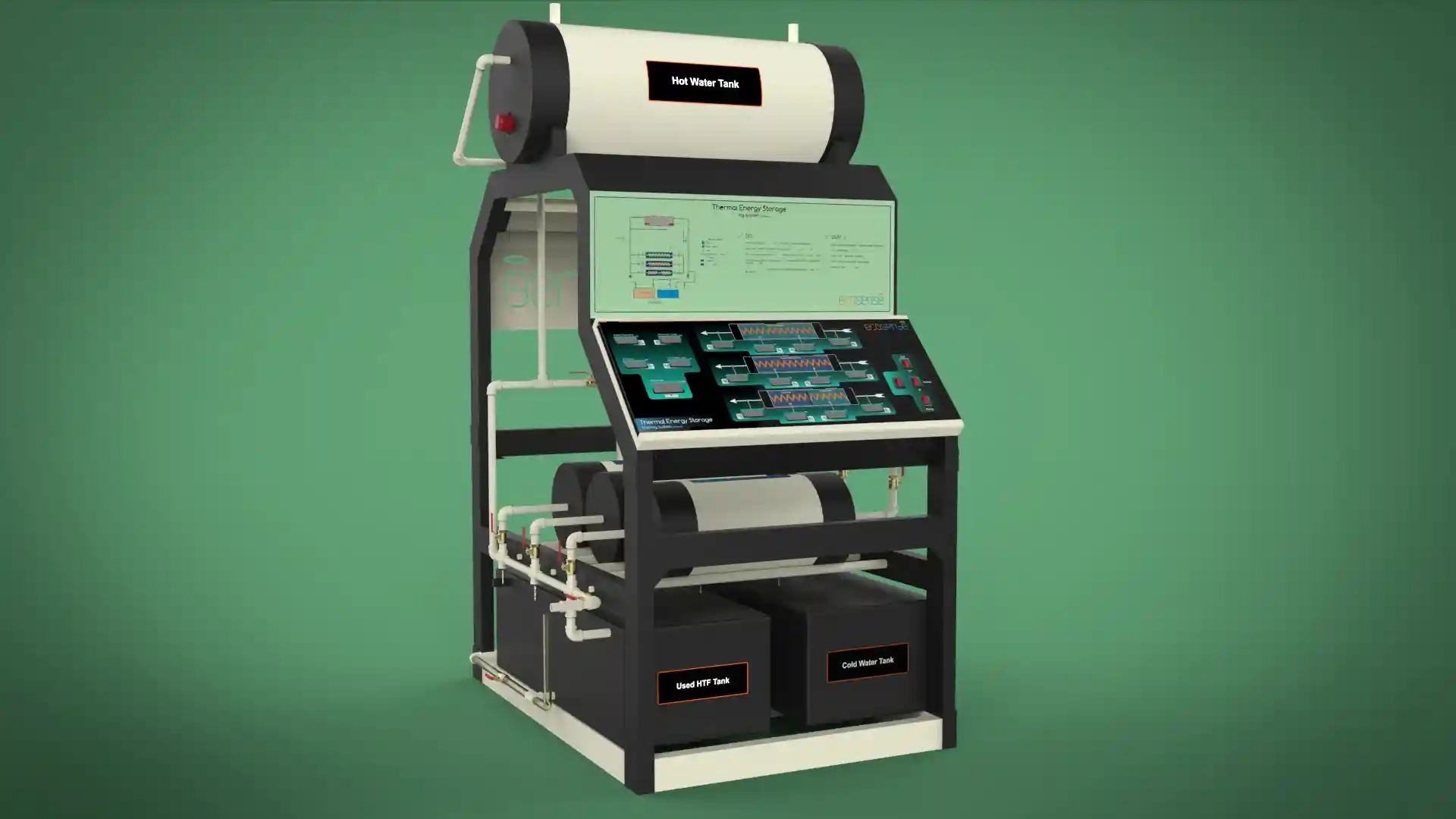
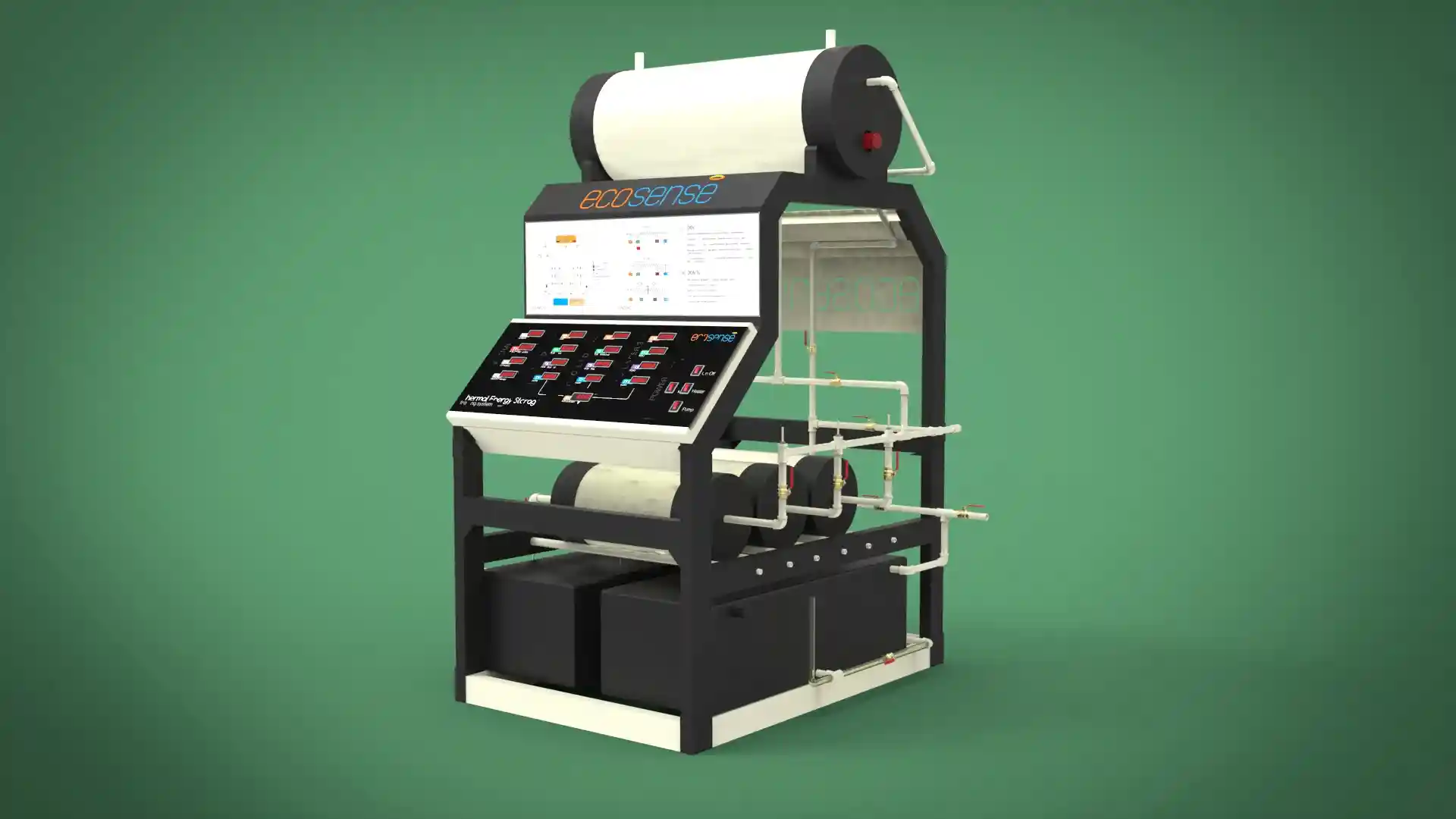
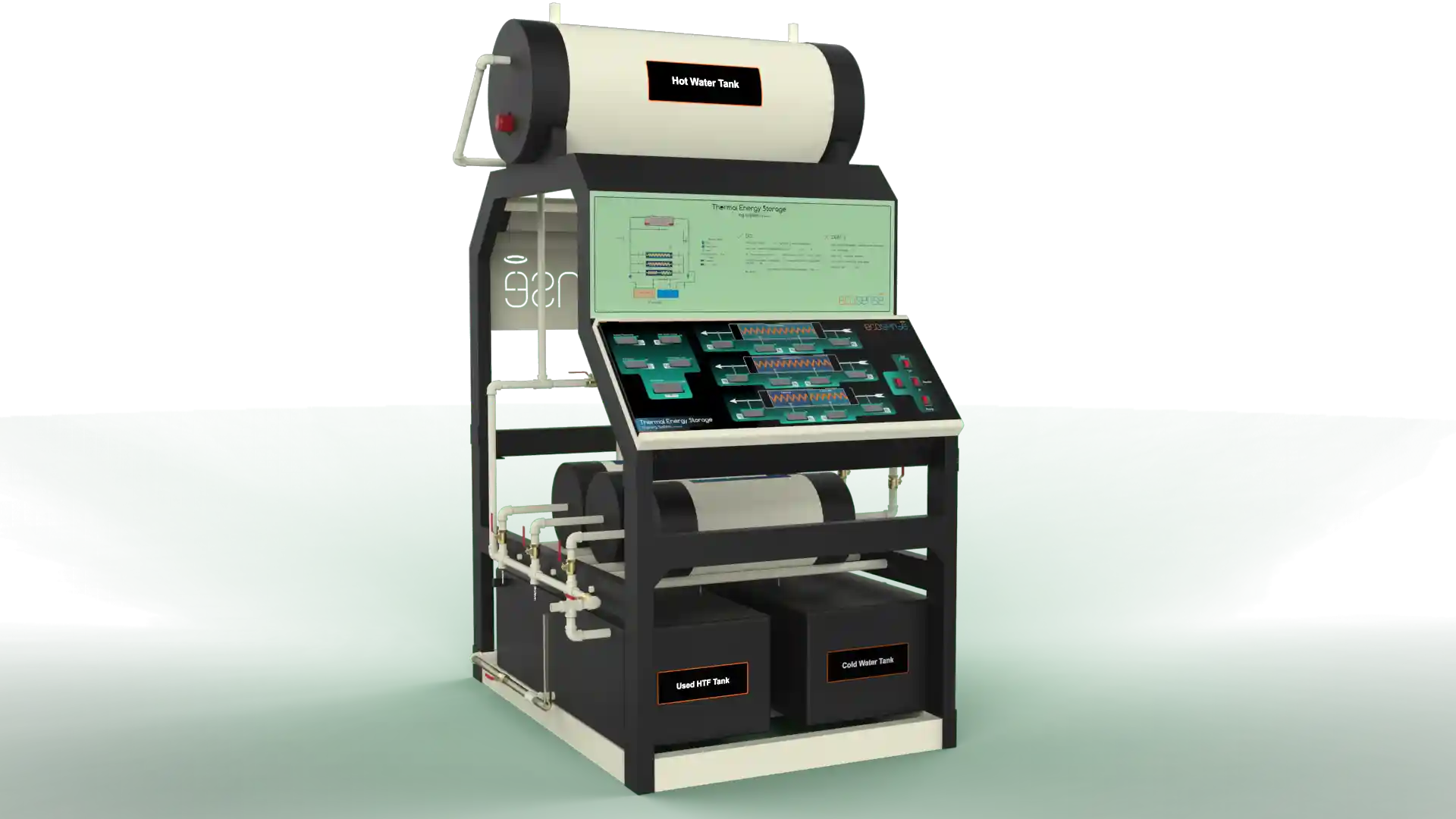
The Thermal Energy Storage System is a compact and modular platform designed for studying thermal energy storage using Phase Change Materials (PCMs). It is well-suited for both academic and research applications, with a strong focus on solar thermal energy storage systems. The system enables users to analyze heat transfer, storage, and discharge processes under controlled conditions, making it ideal for understanding real-world solar thermal energy storage and solar thermal storage applications. Its flexible design supports experimentation with different PCMs, temperatures, and flow rates, helping optimize solar thermal energy storage performance. 
Key Features

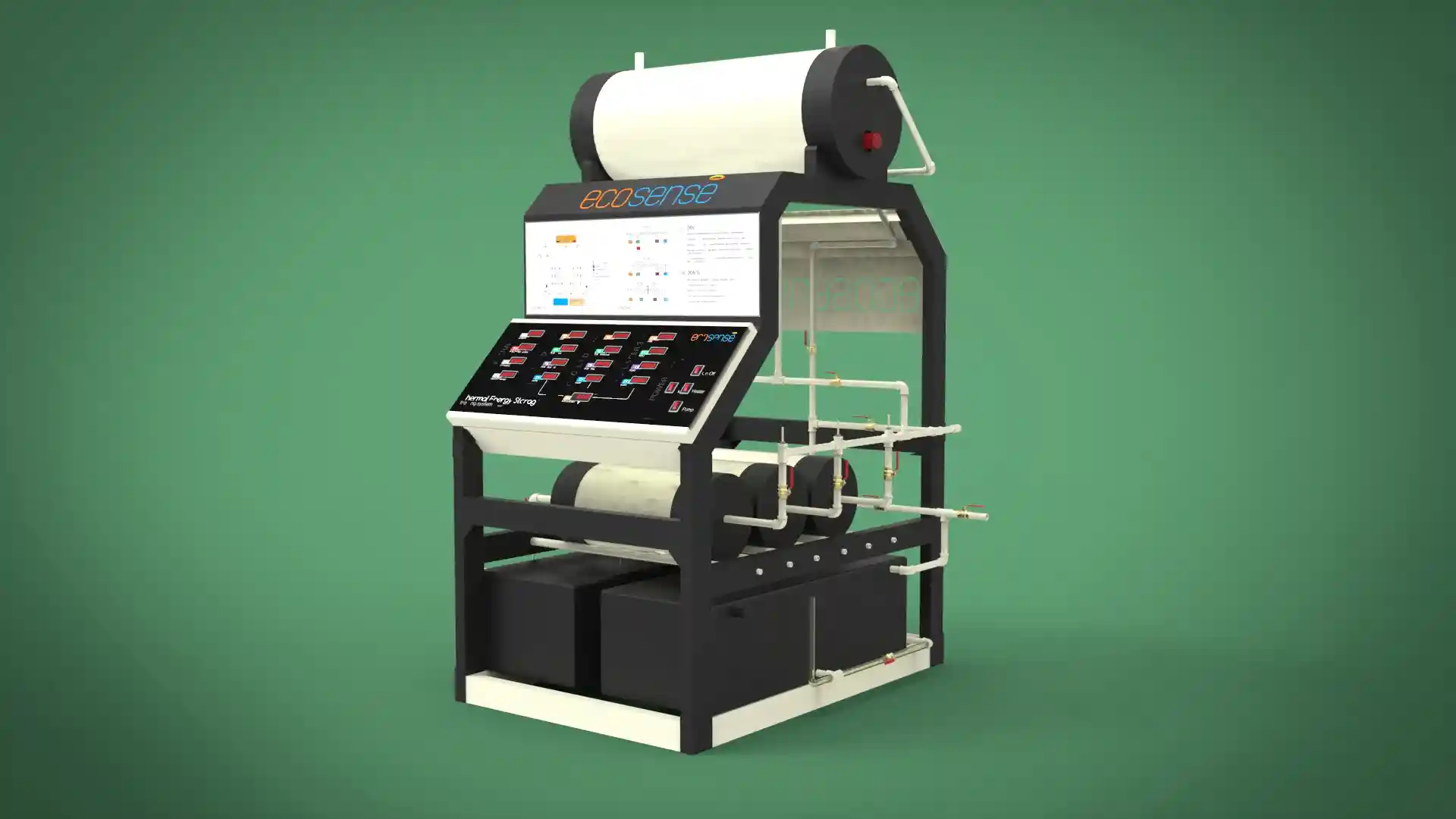
  • Dual PCM Chamber Design: Enables experimentation with two different Phase Change Materials (Paraffin Wax and Organic Fatty Acid) simultaneously or in sequence, making it suitable for cascading thermal storage studies and comparative analysis, including solar thermal energy storage configurations.
  • Real-Time Sensor Feedback and Digital Monitoring: High-resolution temperature sensors at multiple locations and flow sensors ensure accurate performance tracking and in-depth thermal profiling, essential for solar thermal energy storage experiments. Output can be viewed through a digital interface for user-friendly control.
  • Data Logging with Export Functionality: Users can record experimental parameters over time, export data to CSV, and generate graphs for reports and presentations, supporting academic and research documentation in solar thermal storage studies.
  • High-Quality Thermal Insulation: PCM pipes and tanks are well-insulated using industrial-grade materials such as PUF or glass wool, minimizing thermal losses and improving the efficiency of solar thermal energy storage systems.
  • Visual Indicators and Safety Controls: Integrated visual indicators for system status and temperature alerts, along with over-temperature protection and manual shutoff, make the system safe for lab use.
  • Versatile Heat Input Options: Comes with a powerful 6000W electric heater, but also allows integration with solar heat sources, enabling practical experimentation in solar thermal energy storage and hybrid solar thermal storage setups.
Ecosense

Learning Module 

Ecosense

Thermal Properties and Phase Change Behavior of PCMs

Understand the fundamental characteristics of Phase Change Materials (PCMs) used in thermal energy storage systems and solar thermal energy storage:

  • Study the melting temperature, heat of fusion, and thermal conductivity of various PCMs under controlled lab conditions.
  • Analyze charging and discharging dynamics by observing real-time temperature profiles and tracking energy storage and release rates in solar thermal energy storage systems.

Influence of Flow Rate and Temperature on Thermal Performance

Explore how operating parameters affect the efficiency of PCM-based thermal storage systems and solar thermal storage applications:

  • Investigate the effect of varying Heat Transfer Fluid (HTF) flow rates on heat transfer efficiency and charging time.
  • Examine how different HTF inlet temperatures influence PCM performance, charging speed, and thermal response in solar thermal energy storage systems.

Advanced Storage Techniques and System Efficiency Evaluation

Delve into advanced PCM configurations and overall system analysis for solar thermal energy storage:

  • Explore cascading PCM configurations by using multiple PCMs in series to enhance thermal storage capacity and optimize phase transition temperature ranges.
  • Calculate overall system thermal efficiency across different configurations and operational modes to determine optimal setup for maximum energy utilization in solar thermal energy storage.

Technical Description

  • The Thermal Energy Storage System is designed to experimentally demonstrate latent heat thermal energy storage using phase change materials (PCMs), with direct relevance to solar thermal energy storage systems.
  • Heat is generated using an electrically controlled heat source and transferred to the storage unit through a circulating heat transfer fluid (HTF), simulating real solar thermal storage conditions.
  • The HTF flows through embedded copper heat exchanger tubes placed inside PCM-filled stainless steel shells.
  • As temperature rises, the PCM absorbs heat and undergoes a solid-to-liquid phase transition, storing energy at nearly constant temperature—an essential principle of solar thermal energy storage.
  • The system supports two different PCMs with distinct melting points, enabling comparative performance analysis.
  • A cascading configuration allows series operation of multiple PCMs to improve thermal utilization across a wider temperature range in solar thermal energy storage applications.
  • During discharge, stored heat is released back to the HTF as the PCM solidifies.
  • Multiple temperature sensors and flow meters enable real-time monitoring of charging, storage, and discharging cycles.
  • The insulated storage minimizes thermal losses and supports repeated cyclic experimentation under controlled conditions, making it ideal for solar thermal energy storage research and development.
Ecosense

Technical Specifications 

Ecosense

Heat Generation & Storage Unit


ParametersSpecifications
Heat SourceElectric heater
Heater Rating6000 W
Heat Generating Tank Capacity50 L
Tank MaterialSS-304
Operating ModeIndoor laboratory operation

* specifications can be customized as per user's requirement

Phase Change Material (PCM) Storage


ParametersSpecifications
PCM Type 1Paraffin Wax
Melting Temperature (PCM-1)55 °C
PCM Type 2Organic Fatty Acid
Melting Temperature (PCM-2)67 °C
Storage ConfigurationSingle & cascaded PCM operation

* specifications can be customized as per user's requirement

Heat Exchange, Control & Instrumentation


ParametersSpecifications
Heat Exchangers3 copper tube heat exchangers
PCM Holding Shells3 shells, SS-304
Temperature MeasurementMulti-point temperature sensors
Flow MeasurementIntegrated flow meter & sensor
Data ObservationReal-time charging & discharging analysis

* specifications can be customized as per user's requirement

Related Products

Frequently Asked Questions

A solar thermal energy storage system captures heat from a solar collector using a heat transfer fluid. This thermal energy is stored in a medium such as water, oil, or phase change materials (PCMs). When energy is required, the stored heat is released in a controlled manner to supply thermal loads or support power generation.

Thermal energy storage systems are broadly classified into sensible heat storage (using water, oil, or solids), latent heat storage (using PCMs that absorb heat during phase change), and thermochemical storage (using reversible chemical reactions for heat storage).

Efficiency depends on the type of storage material, insulation quality, heat exchanger design, operating temperature range, heat transfer fluid flow rate, and the effectiveness of charging and discharging cycles.

Thermal energy storage improves system reliability by reducing the mismatch between solar availability and energy demand. It enhances overall system efficiency, enables extended operation beyond sunlight hours, and supports load leveling and peak demand management.

Limitations include thermal losses over time, higher initial system cost, material degradation during repeated thermal cycles, and space requirements for storage units, especially in large-scale applications.

Get in Touch

Ready to transform your labs?

Contact Now