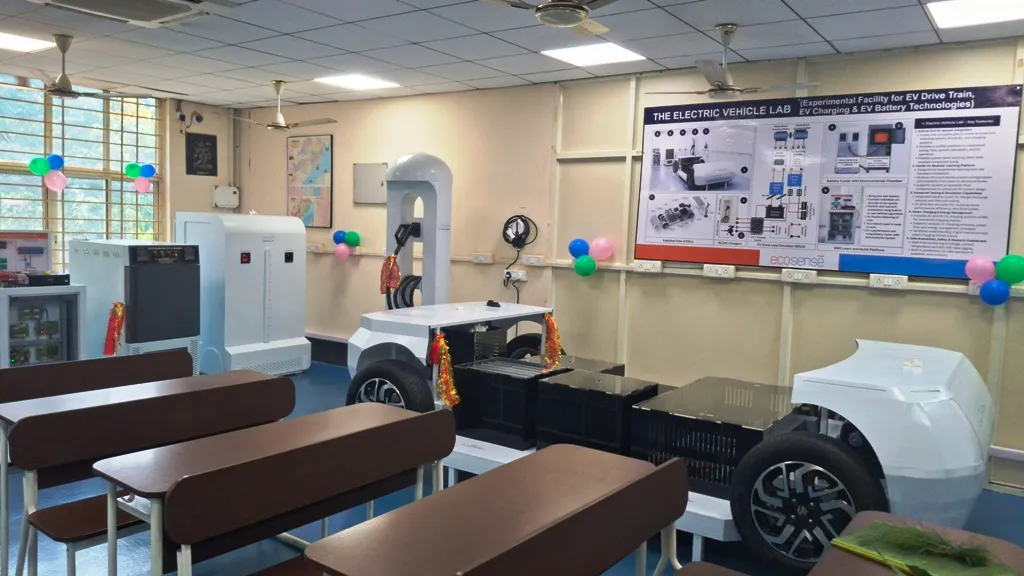
Ecosense Installed  EV Lab at Central Tool Room & Training Centre (CTTC) Bhubaneswar

Ecosense Installed EV Lab at Central Tool Room & Training Centre (CTTC) Bhubaneswar

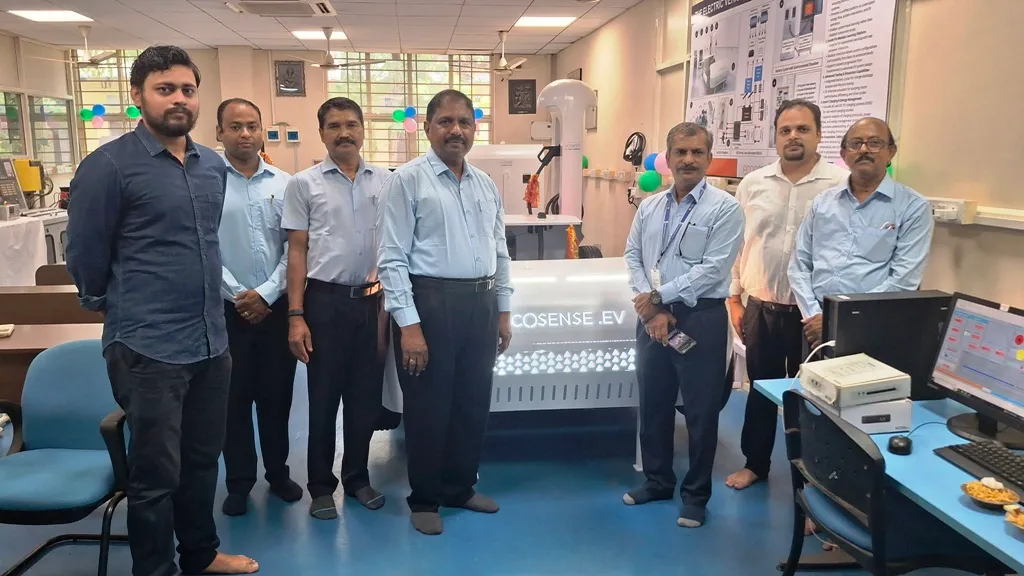
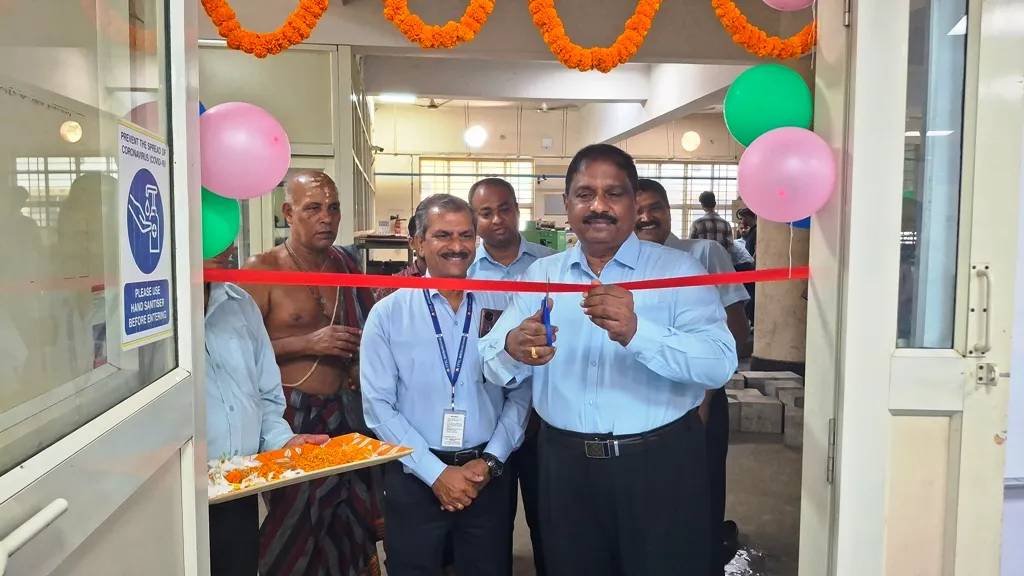
Ecosense successfully installed an advanced Electric Vehicle Lab at Central Tool Room & Training Centre (CTTC) Bhubaneswar to support practical EV education and research. The lab includes an EV Drive Line Simulator with Controller Development Platform, Battery Cycler with Data Analytics, BMS Learn & Build Platform, and Modular & Adaptive EVSE, enabling students and researchers to gain hands-on experience in electric mobility technologies.

Building Industry-Ready EV Skills Through Practical Learning

The rapid growth of electric mobility is transforming the automotive and energy sectors across India. As the industry moves toward electrification, academic and technical institutions are under increasing pressure to provide hands-on EV training that matches real-world industrial requirements. To support this transition, Ecosense has successfully installed an advanced Electric Vehicle Lab at Central Tool Room & Training Centre (CTTC) Bhubaneswar.

The newly established lab is designed to provide students, researchers, and trainees with practical exposure to core electric vehicle technologies, including EV powertrain systems, battery testing, battery management systems, charging infrastructure, and controller development. The installation enables learners to move beyond theoretical understanding and gain direct experience with EV subsystems used in modern electric mobility platforms.

The EV Lab installation includes four major training platforms:

Together, these systems create a comprehensive ecosystem for EV education, experimentation, testing, and product development.

EV Drive Line Simulator

The lab features Ecosense’s advanced EV Drive Line Simulator, developed to provide detailed understanding of electric powertrain behaviour, traction motor control, inverter operation, and drive cycle simulation.

Using this platform, students and researchers can study:

  • EV traction motor characteristics 
  • Torque-speed performance analysis 
  • Drive cycle testing 
  • Power electronics integration 
  • Vehicle load simulation 

The platform enables practical controller development and testing under simulated real-world operating conditions. This makes it highly valuable for institutions aiming to prepare students for electric mobility R&D and automotive electronics industries.

The system also supports experimentation in motor control algorithms and validation strategies, helping learners understand how EV drivetrains behave under varying speed and load conditions.

Battery Cycler with Data Analytics

Battery technology remains the foundation of electric mobility, and understanding battery performance is critical for EV engineers. To support battery research and testing activities, Ecosense installed the Battery Cycler with Data Analytics platform at CTTC Bhubaneswar.

The system enables detailed battery charge-discharge experimentation and performance monitoring. Students can analyze:

  • Battery charging characteristics
  • Discharge profiles
  • Capacity estimation
  • Cycle life behavior
  • Thermal performance trends
  • State of Charge (SOC) analysis
  • Battery efficiency and degradation patterns

An important feature of the platform is its integrated data analytics capability, which allows users to visualize and interpret battery performance data in real time. This helps students understand how batteries behave under different operating conditions and why data-driven battery management is essential in modern EV systems.

The platform is suitable for both academic experimentation and applied research related to lithium-ion battery technologies.

Ecosense Installed  EV Lab at Central Tool Room & Training Centre (CTTC) Bhubaneswar

BMS Learn & Build Platform

Battery Management Systems play a critical role in electric vehicle safety, reliability, and performance. The BMS Learn & Build Platform installed at the lab provides a practical environment where students can learn how battery management systems function at both hardware and software levels.

The platform enables learners to explore:

  • Cell voltage monitoring
  • Temperature sensing
  • Battery protection mechanisms
  • Cell balancing techniques
  • SOC and SOH estimation
  • Communication protocols
  • Fault detection strategies

Instead of treating the BMS as a black-box system, the platform encourages students to build, configure, and test battery management functionalities themselves. This practical approach significantly improves understanding of battery safety and intelligent battery control systems.

The system is especially beneficial for students interested in EV battery pack design, embedded systems, and battery electronics development.

Modular & Adaptive EVSE

As EV adoption grows, charging infrastructure development has become equally important. The Modular & Adaptive EVSE installed at CTTC Bhubaneswar helps learners understand the design and operation of EV charging systems.

The platform supports practical learning related to:

  • AC charging systems 
  • EVSE architecture 
  • Charging communication protocols 
  • Protection systems 
  • Smart charging concepts 
  • Charging safety mechanisms 
  • Grid interaction fundamentals 

Its modular structure allows trainees to study various charging configurations and understand how EV charging systems interact with vehicles and electrical infrastructure.

The platform helps bridge the knowledge gap between EV charging theory and real-world charger implementation.

Creating a Complete EV Learning Ecosystem

With the installation of these advanced platforms, Central Tool Room & Training Centre (CTTC) Bhubaneswar now has a comprehensive Electric Vehicle Lab capable of supporting multidisciplinary EV education and research.

The lab creates opportunities for:

  • Skill development in electric mobility 
  • Industry-oriented technical training 
  • EV controller development research 
  • Battery analytics and testing 
  • Charging infrastructure education 
  • Embedded systems learning 
  • Power electronics experimentation 

The integrated setup ensures that students gain exposure to the complete EV ecosystem rather than isolated technologies. This holistic approach is essential for developing engineers capable of working on next-generation electric mobility solutions.

Ecosense Installed  EV Lab at Central Tool Room & Training Centre (CTTC) Bhubaneswar

Supporting India’s EV Transition

India’s transition toward sustainable transportation requires not only manufacturing growth but also strong technical education infrastructure. Advanced EV laboratories play a vital role in preparing the next generation of engineers, researchers, and innovators who will contribute to the future of electric mobility.

Through this installation at Central Tool Room & Training Centre (CTTC) Bhubaneswar, Ecosense continues its mission of enabling institutions with industry-oriented training and research platforms in emerging energy and mobility technologies.

The Electric Vehicle Lab provides a future-ready environment where learners can develop practical expertise in EV systems, battery technologies, charging infrastructure, and intelligent vehicle electronics — all of which are critical for the rapidly evolving electric mobility sector.

Get in Touch

Ready to transform your labs?

Contact Now