RE-Based Smart Energy Management System 

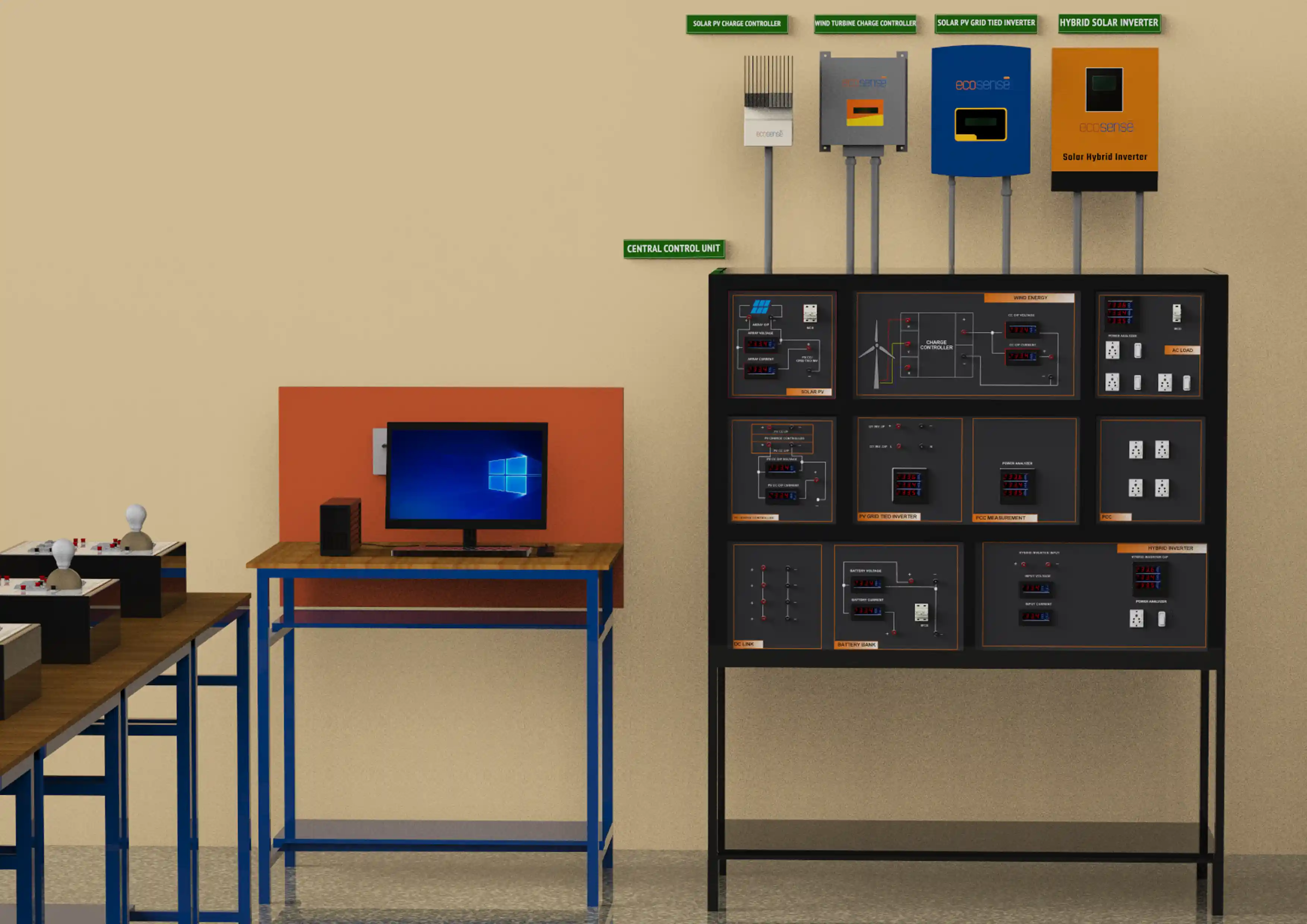
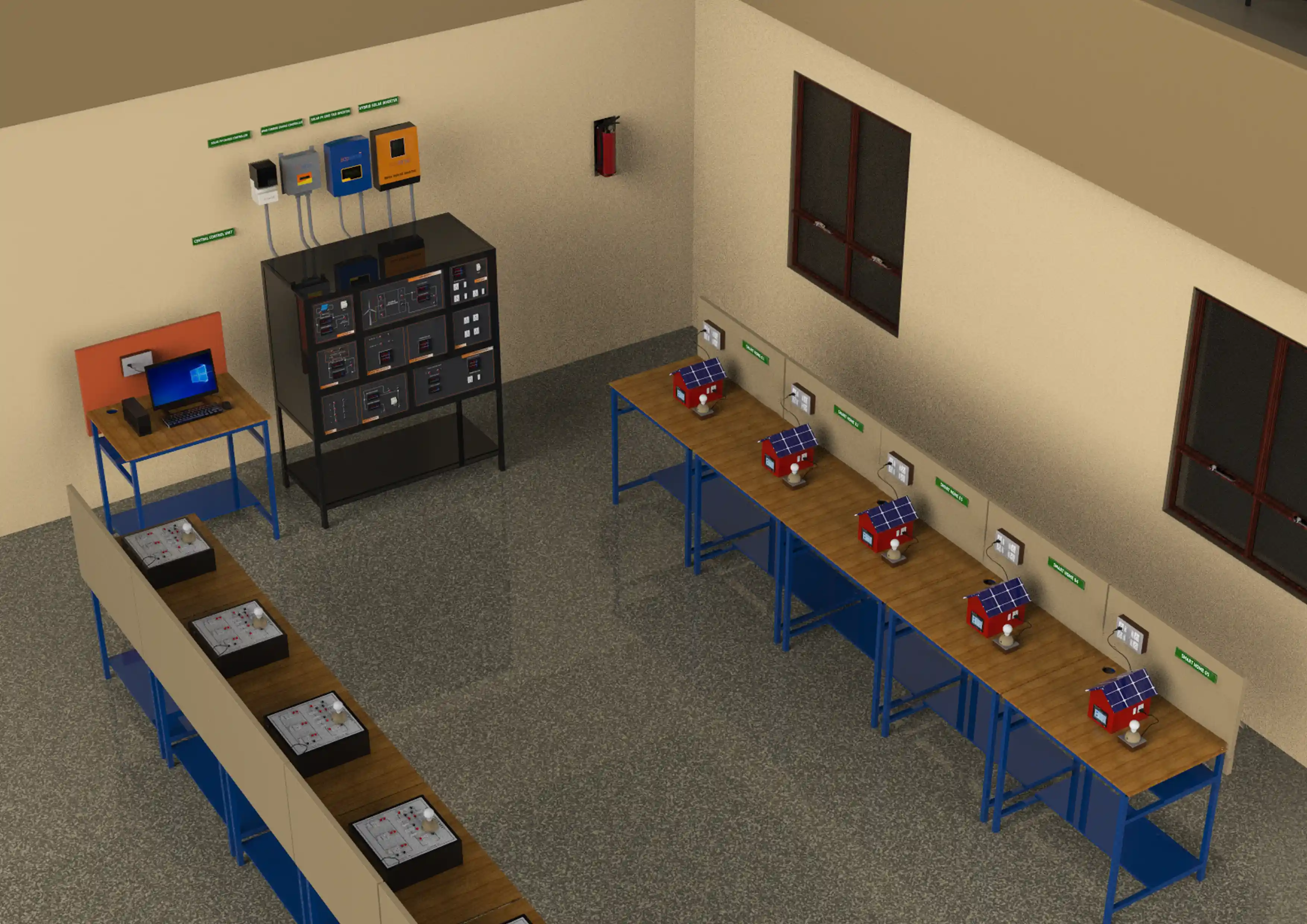
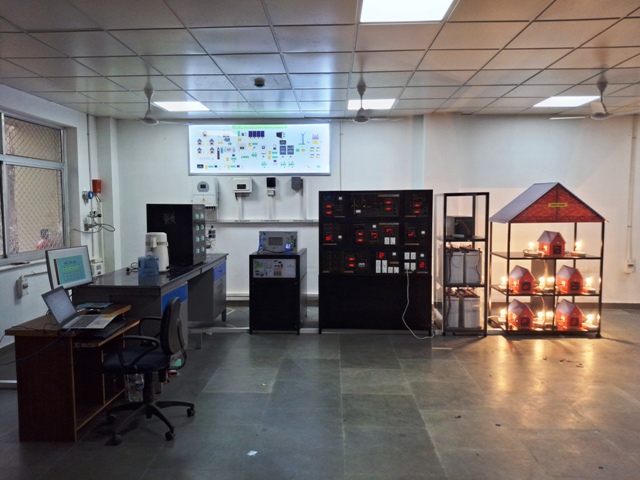
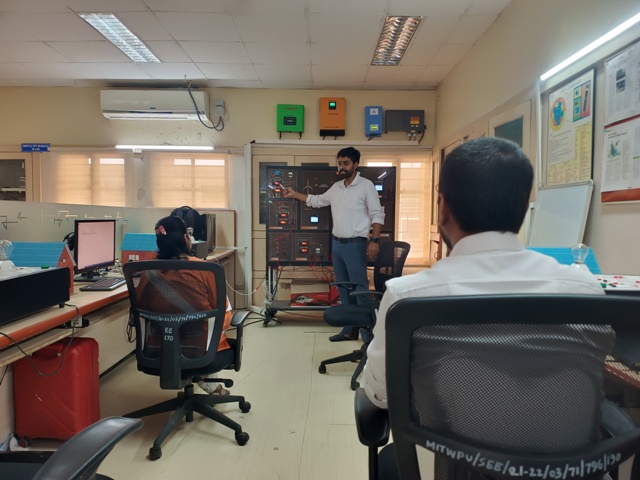
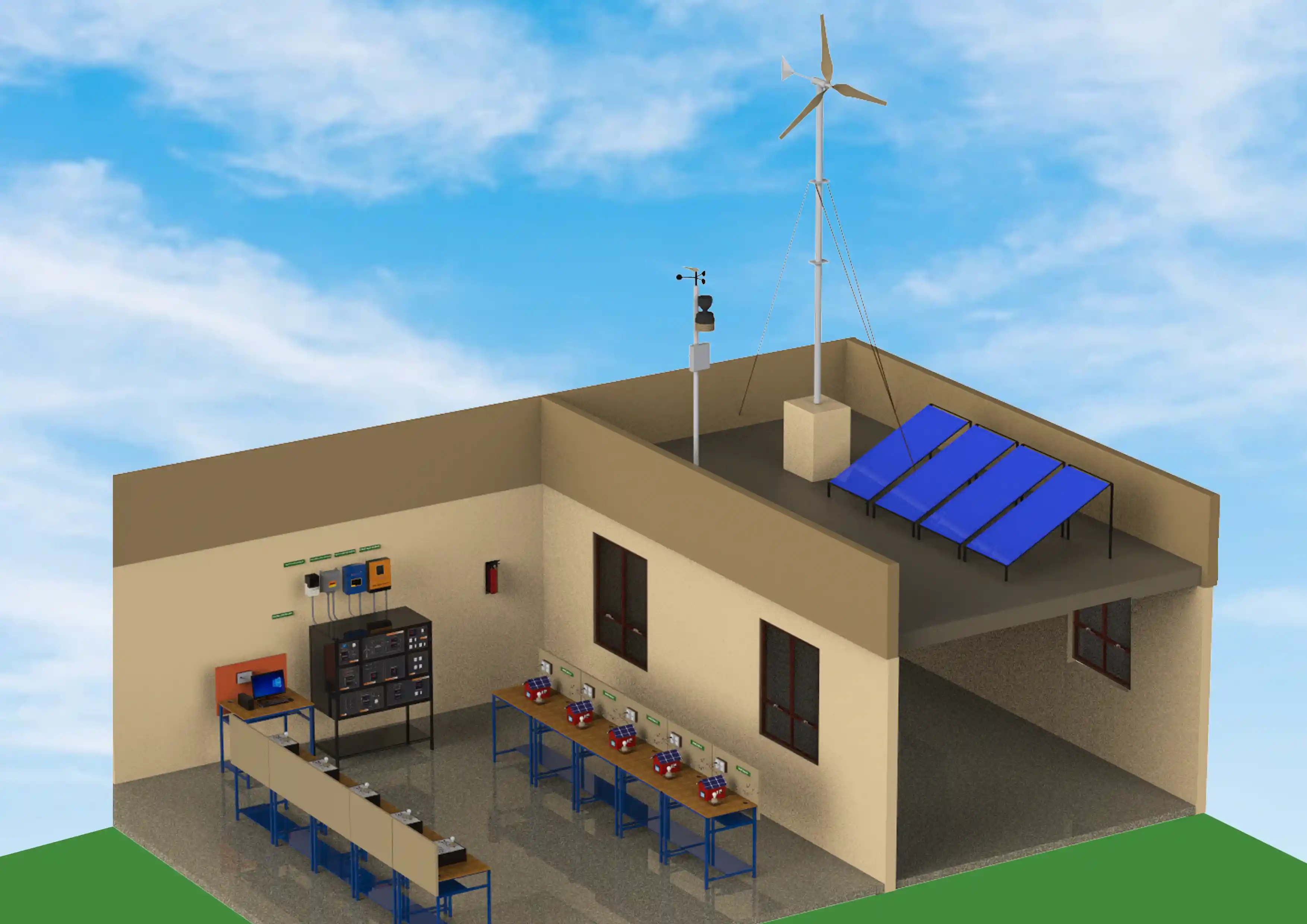
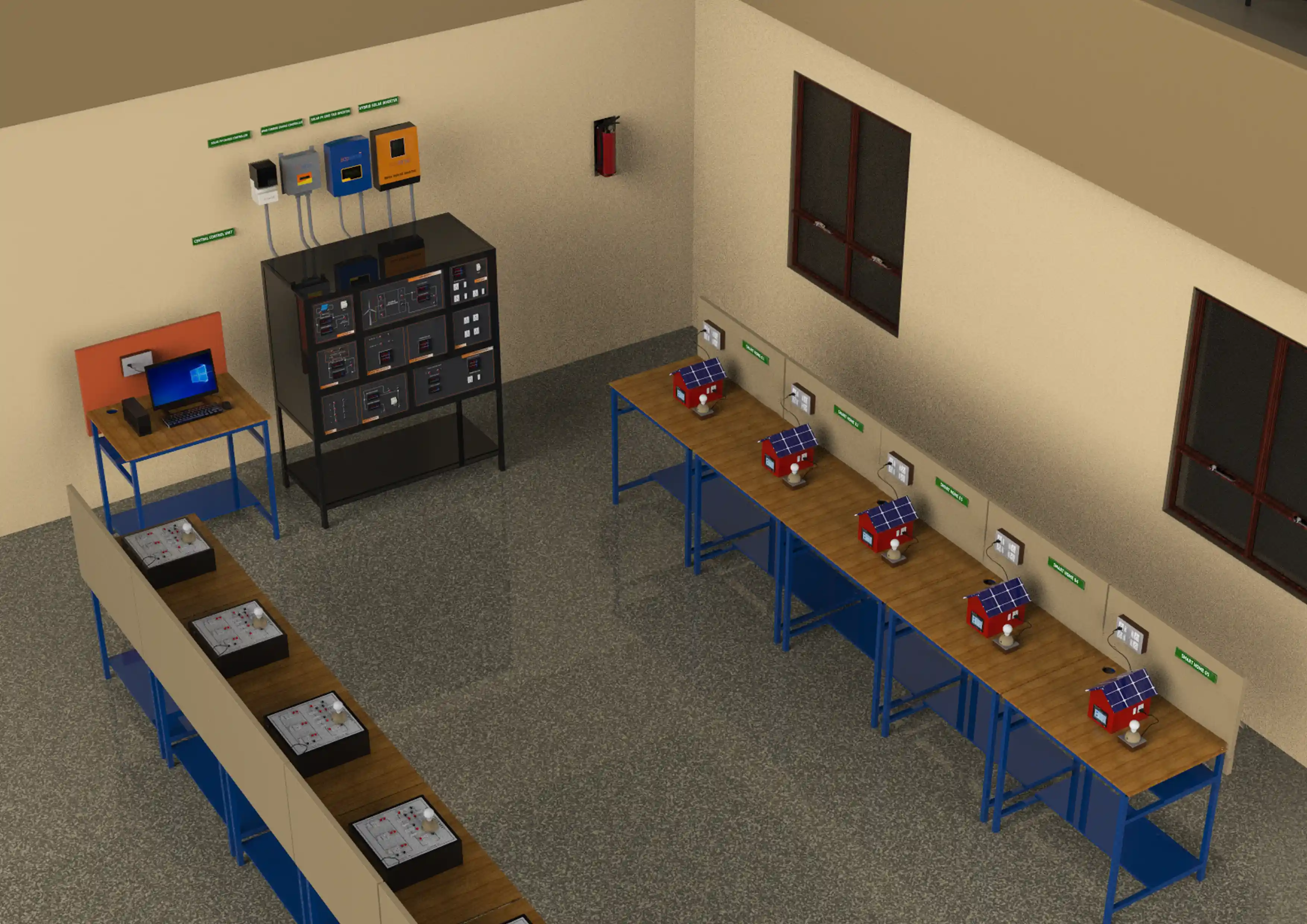
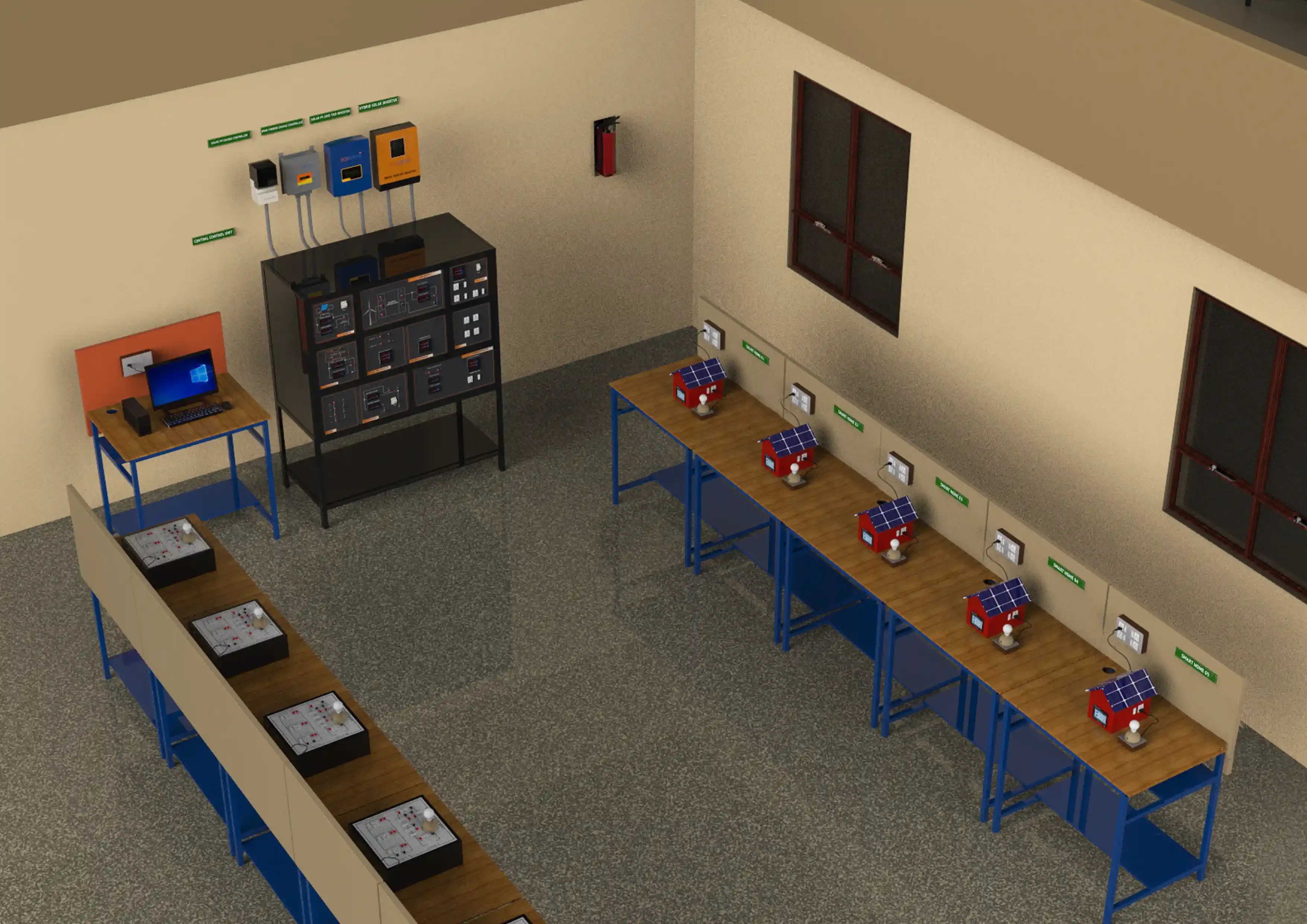
The RE-Based Smart Energy Management System by Ecosense is a comprehensive educational platform designed to demonstrate and analyze renewable energy generation and management. It integrates solar and wind energy sources, enabling users to explore various configurations such as standalone, grid-connected, and hybrid systems. The system offers hands-on experience in energy production, storage, and smart load management, making it an invaluable tool for academic instruction and applied research in sustainable energy technologies. 
Key Features

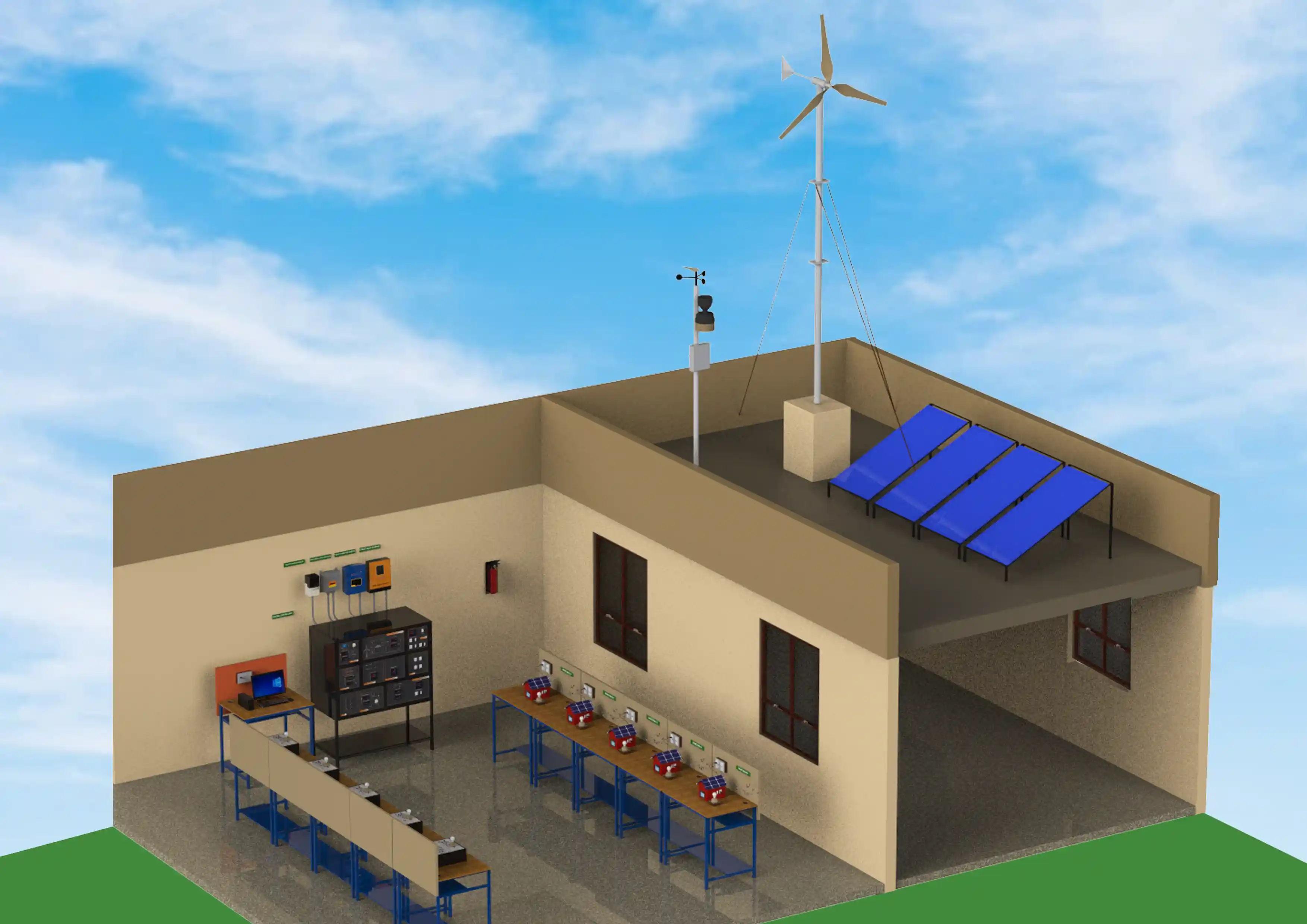
  • Dual Renewable Energy Sources: Combines a 2 kW polycrystalline solar PV array and a 1 kW, 3-blade wind turbine, both operating at 24 V, to simulate real-world renewable energy generation scenarios.
  • Weather Station Integration: Equipped with a pyranometer, humidity and temperature sensors, wind speed and direction sensors, and a rain gauge to provide accurate ambient weather data. Users can program upper and lower weather limits to ensure system safety.
  • Flexible Power Evacuation Modes: Supports standalone, grid-connected, and hybrid configurations. Users can switch between modes to evaluate system performance under different operational conditions.
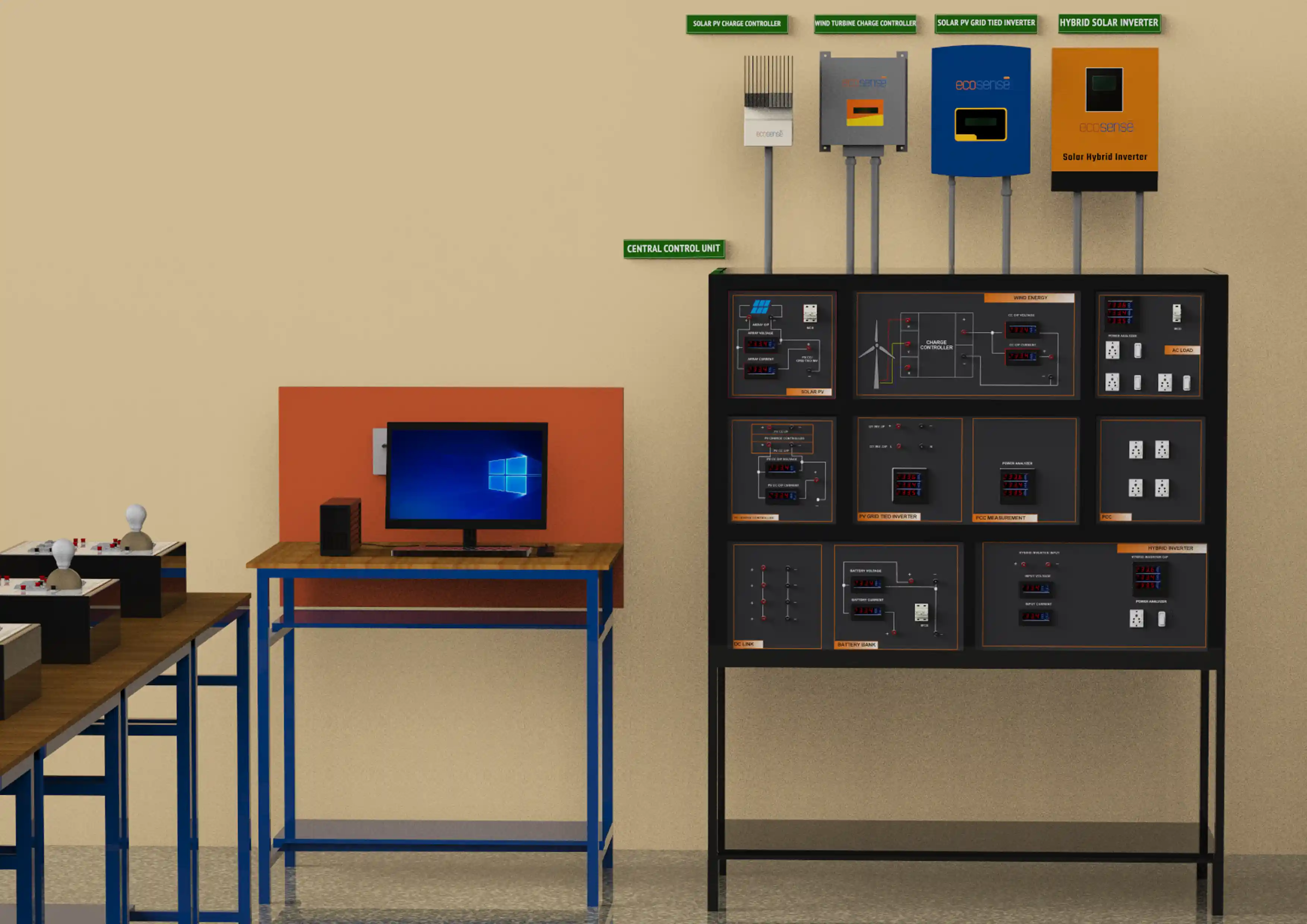
  • Central Control Unit with Software Interface: Features a microcontroller/FPGA-based central control unit that allows manual or remote operation. The unit includes relay and contactor-based switching, RS-485 communication, and an interactive graphical user interface compatible with touchscreen PCs.
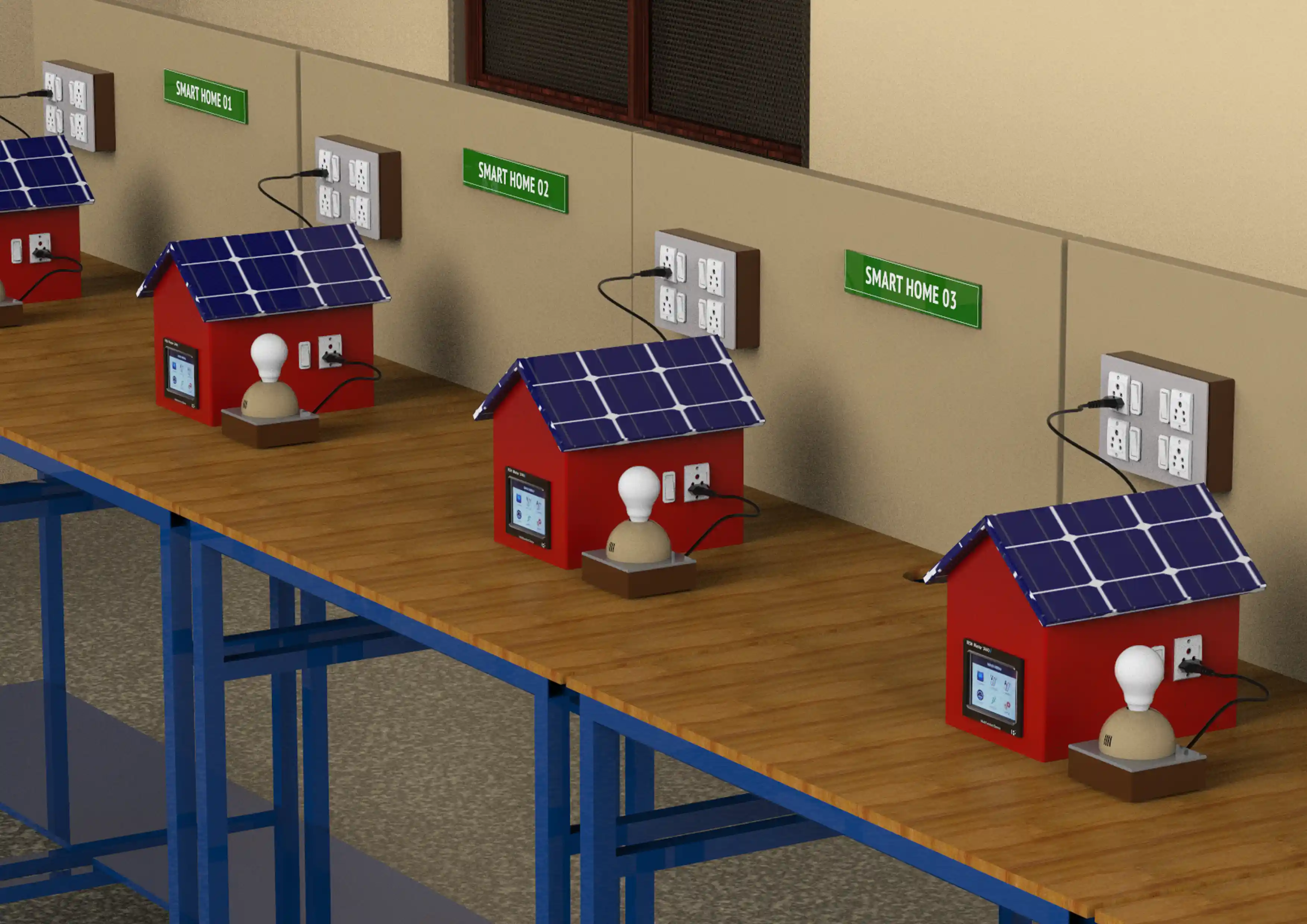
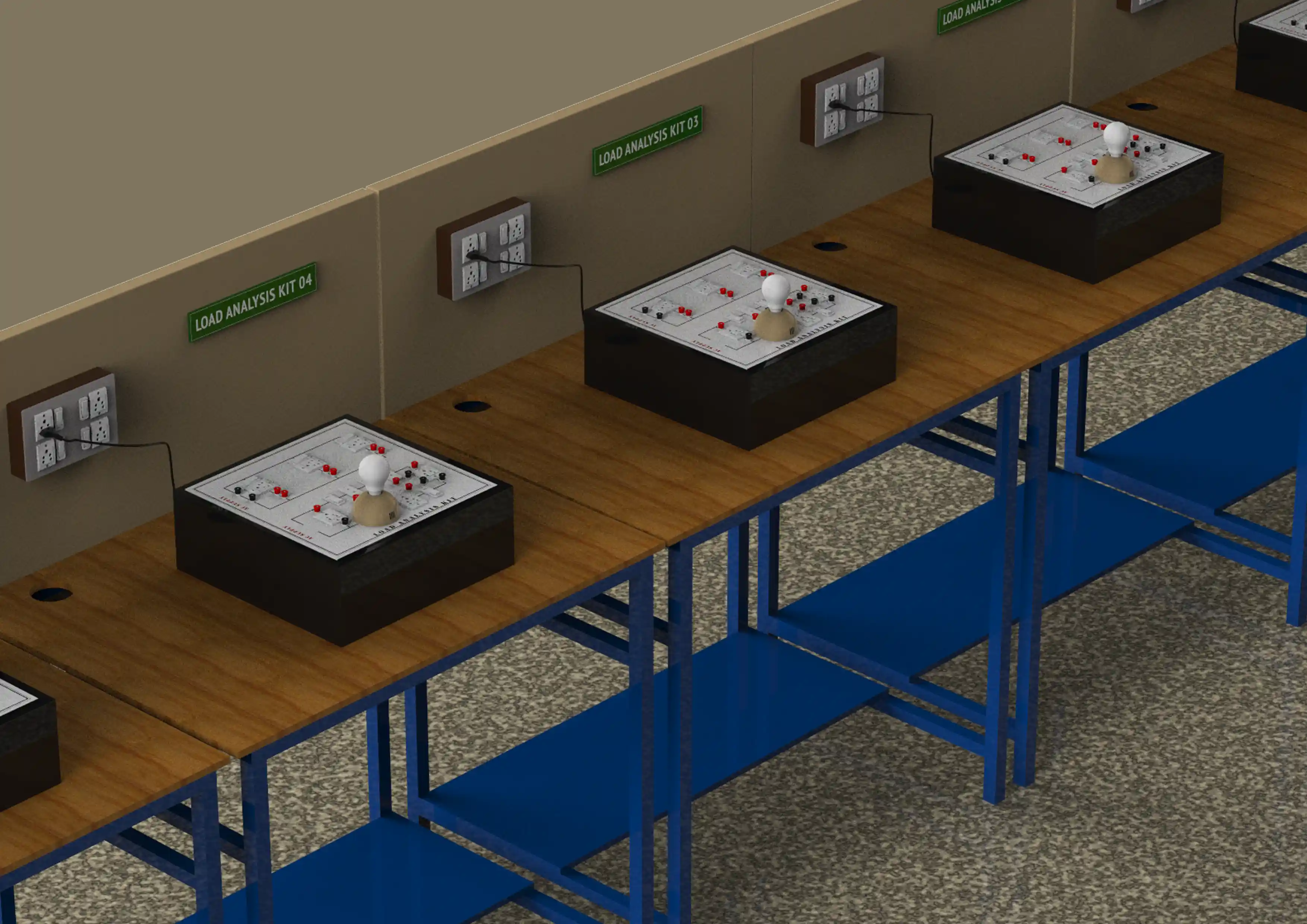
  • Smart Load Management: Includes a miniaturized smart home model with relay-based operation, multifunction touch screen panel meters for electrical parameter monitoring, and a load analysis kit for studying series and parallel AC load configurations.
  • Advanced Monitoring and Data Logging: Offers real-time measurement of voltage, current, and power across various system components. Data can be logged 24/7 with high precision, and detailed graphical analyses are available both on PC and measurement panels.
  • Safety and Protection Features: Incorporates hardware and software protections, including MCBs, high wind speed protection for the wind turbine, and alarm systems triggered by weather anomalies.
  • Customizable and Expandable Design: The system's design is customizable to meet specific requirements, and additional energy sources can be integrated. It also supports sun tracking and can work with actual or virtual grids.
Ecosense

Learning Module 

Ecosense

Renewable Energy Generation and Management

  • Study the characteristics and performance of solar PV and wind energy systems in standalone, grid-connected, and hybrid modes.
  • Analyze the efficiency of charge controllers and inverters under various loading conditions.
  • Evaluate the impact of different weather conditions on energy generation.

Smart Load Analysis

  • Utilize the smart home model to simulate residential energy consumption and control.
  • Employ the load analysis kit to understand the behavior of series and parallel AC circuits.
  • Investigate the effects of linear and nonlinear loads on system performance

System Monitoring and Data Analysis

  • Monitor real-time electrical parameters across system components.
  • Log and export data for performance analysis and research purposes.
  • Use the graphical user interface to visualize system behavior and identify optimization opportunities.

Technical Description

  • The RE-Based Smart Energy Management System is designed to demonstrate intelligent coordination between renewable energy sources, utility grid supply, and electrical loads.
  • It integrates solar power input with grid power, enabling real-time comparison and optimized energy utilization.
  • Embedded controllers continuously monitor voltage, current, power, and energy parameters from renewable and grid sources.
  • The system automatically prioritizes renewable energy usage to reduce grid dependency and improve overall efficiency.
  • Configurable load modules allow users to study load scheduling, peak demand management, and source selection logic.
  • Smart switching algorithms ensure seamless transition between renewable, grid, and hybrid operating modes.
  • Real-time graphical software displays energy flow, source contribution, and load consumption patterns.
  • Data logging enables analysis of renewable penetration, energy savings, and system performance over time.
  • The modular design supports academic experiments, project development, and research in smart grids and sustainable energy systems, making it ideal for university laboratories and training centers.
Ecosense

Technical Specifications 

Ecosense

Power Generation & Storage


ParametersSpecifications
Solar PV Source2 kW Polycrystalline PV array, 24 V system
Wind Energy Source1 kW, 3-blade horizontal-axis wind turbine, 24 V
Battery Bank24 V, 150 Ah lead-acid battery system

* specifications can be customized as per user's requirements

Power Evacuation & Conversion


ParametersSpecifications
Standalone ModePWM PV charge controller, 24 V, 60 A
Grid-Connected Mode2 kW MPPT grid-tied inverter
Hybrid Mode2 kW hybrid inverter with battery integration

* specifications can be customized as per user's requirements

Control, Measurement & Loads


ParametersSpecifications
Central Control UnitMicrocontroller/FPGA-based with relay & contactor switching
MeasurementsPV, wind, battery, inverter, grid & load V–I–P monitoring
Load SystemSmart home unit & AC load analysis kit with RS-485 interface

* specifications can be customized as per user's requirements

Related Products

Frequently Asked Questions

The Smart Grid Lab supports applications in smart grids, microgrids, renewable energy integration, demand response, distributed generation, and energy management systems. It is used across domains such as power systems engineering, renewable energy, smart cities, grid automation, and data-driven energy optimization.

Smart Grid Labs enable real-time monitoring of voltage, current, power, energy, and power quality parameters. Data is collected through sensors and smart meters, visualized via software dashboards, and logged for analysis, allowing users to study load patterns, source behavior, and control strategies.

Best practices include starting with basic grid concepts, gradually introducing control and automation experiments, using real datasets for analysis, encouraging algorithm testing, and aligning experiments with course outcomes. Regular calibration, structured lab manuals, and project-based learning improve educational impact.

The Smart Grid Lab offers hands-on exposure to modern power systems, bridges theory and practice, supports renewable integration studies, enables real-time data analysis, and prepares students for industry-relevant roles in smart grids, energy management, and grid automation.

Smart Grid Labs can involve higher initial investment, require faculty training, and need periodic maintenance. System complexity may be challenging for beginners, and advanced experiments often depend on software proficiency and careful system configuration to avoid operational errors.

Get in Touch

Ready to transform your labs?

Contact Now