Ecosense Installs Renewable Energy Measurement & Training Systems at MBM University
Ecosense installed a Wind Anemometer, Pyranometer, and Solar Charge Controller Training System at MBM University, enabling practical renewable energy learning.

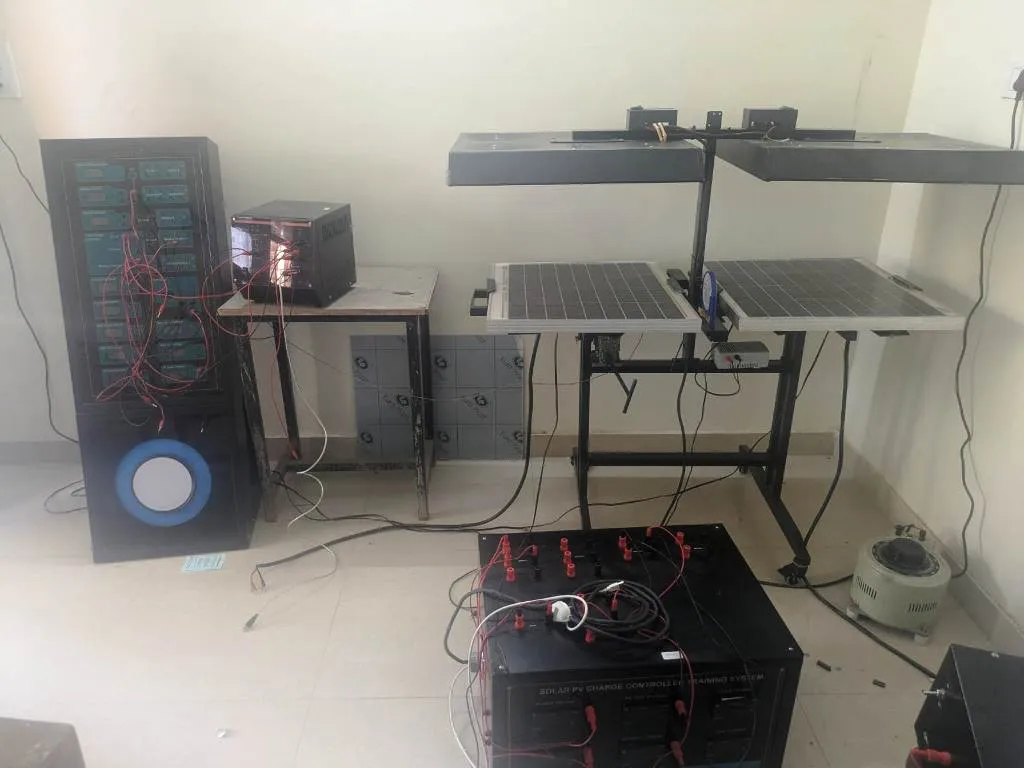
Ecosense installed a Wind Anemometer, Pyranometer, and Solar Charge Controller Training System at MBM University, enabling practical renewable energy learning.
Ecosense Sustainable Solutions has successfully installed a comprehensive Renewable Energy Measurement and Training Setup at MBM University, strengthening the institute’s capabilities in solar and wind energy education. The installation includes a Wind Anemometer, a Pyranometer, and a Solar Charge Controller Training System, carefully selected to create a hands-on learning environment aligned with modern renewable energy practices.
This setup is not just about equipment. It is about enabling students to interact with real-world energy systems and understand how environmental conditions directly influence performance.
Most engineering students learn renewable energy through equations and theoretical models. However, real systems behave differently due to changing weather, environmental factors, and operational conditions.
At MBM University, this installation changes that dynamic. Students now engage with live data and physical systems, allowing them to observe how solar radiation varies across the day or how wind conditions fluctuate in real time. This shift from passive learning to active experimentation significantly improves conceptual clarity.
The lab supports structured experiments as well as open-ended exploration. Students can design their own tests, analyze trends, and validate theoretical assumptions using actual data.
The Wind Anemometer system forms the backbone of wind-related studies in the lab. It allows students to observe how wind behaves in a natural environment and how those variations impact energy generation potential.
What makes this system particularly valuable is its ability to provide continuous and real-time data. Students can monitor changes in wind conditions, compare patterns across different times, and study how environmental factors influence measurements.
The system also introduces students to the concept of data-driven decision-making. By analyzing historical trends and real-time alerts, they begin to understand how engineers assess wind resources before deploying wind energy systems.
In addition, the wireless and user-friendly nature of the setup ensures that students focus on learning rather than struggling with complex instrumentation. This encourages more interaction and experimentation during lab sessions.
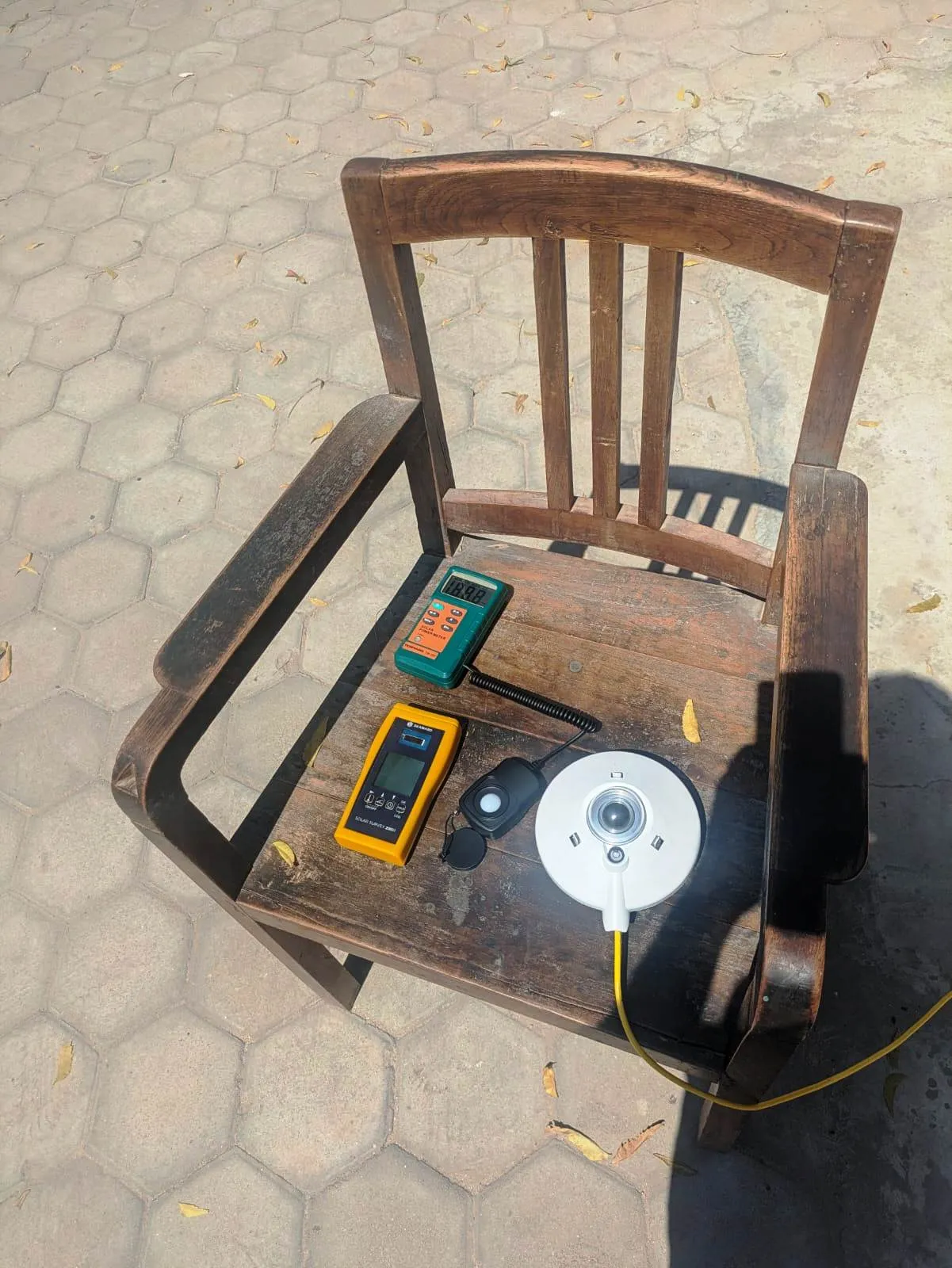
While measurement systems provide data, the Solar Charge Controller Training System shows how that data is used in practice. It acts as the bridge between environmental input and energy utilization.
Students learn how solar energy is managed, stored, and distributed efficiently. They observe how charging behavior changes with variations in solar input and how controllers ensure system safety and performance.
This hands-on exposure is crucial. It helps students move beyond theoretical knowledge and understand the practical challenges involved in renewable energy systems. They gain insight into how real systems are designed to handle fluctuations and maintain stability.
The training system also introduces key operational concepts such as energy management, system protection, and efficiency optimization. These are essential skills for anyone entering the renewable energy sector.
Ecosense ensured that the deployment went beyond just equipment delivery. The installation process included system setup, calibration, and detailed training sessions for faculty and students.
The training focused on both operation and interpretation. Students were guided on how to use the systems, collect data, and analyze results effectively. Faculty members were also trained to integrate these systems into their curriculum.
This ensures long-term value from the installation. The lab is not just functional but actively used as a teaching and research tool.
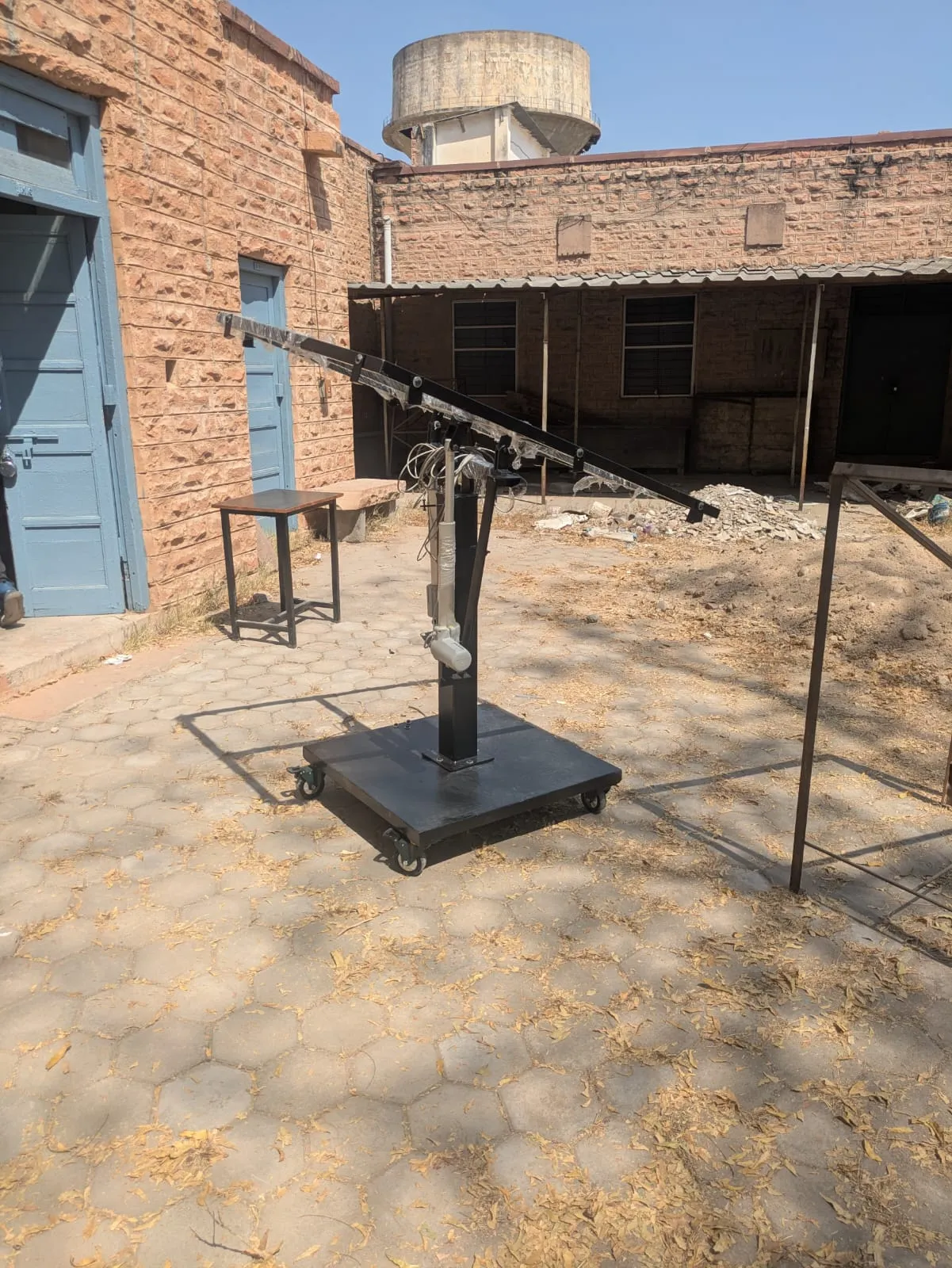
The renewable energy sector is evolving rapidly, and there is a growing need for engineers who understand both theory and application. This installation at MBM University directly addresses that need.
Students now gain experience with real instruments, real data, and real-world scenarios. They develop skills in analysis, system understanding, and practical problem-solving.This kind of exposure makes a significant difference in their readiness for industry roles or advanced research.
The installation of the Wind Anemometer, Pyranometer, and Solar Charge Controller Training System at MBM University represents a meaningful step toward modernizing renewable energy education.
By combining measurement, analysis, and application in a single lab environment, Ecosense has created a space where students can truly understand how renewable energy systems work.
It is not just about learning concepts anymore. It is about experiencing them, analyzing them, and building the confidence to apply them in the real world.