Ecosense Installed Advanced EV Learning and Research Systems at Shri Mata Vaishno Devi University, Katra

Ecosense Installed Advanced EV Learning and Research Systems at Shri Mata Vaishno Devi University, Katra

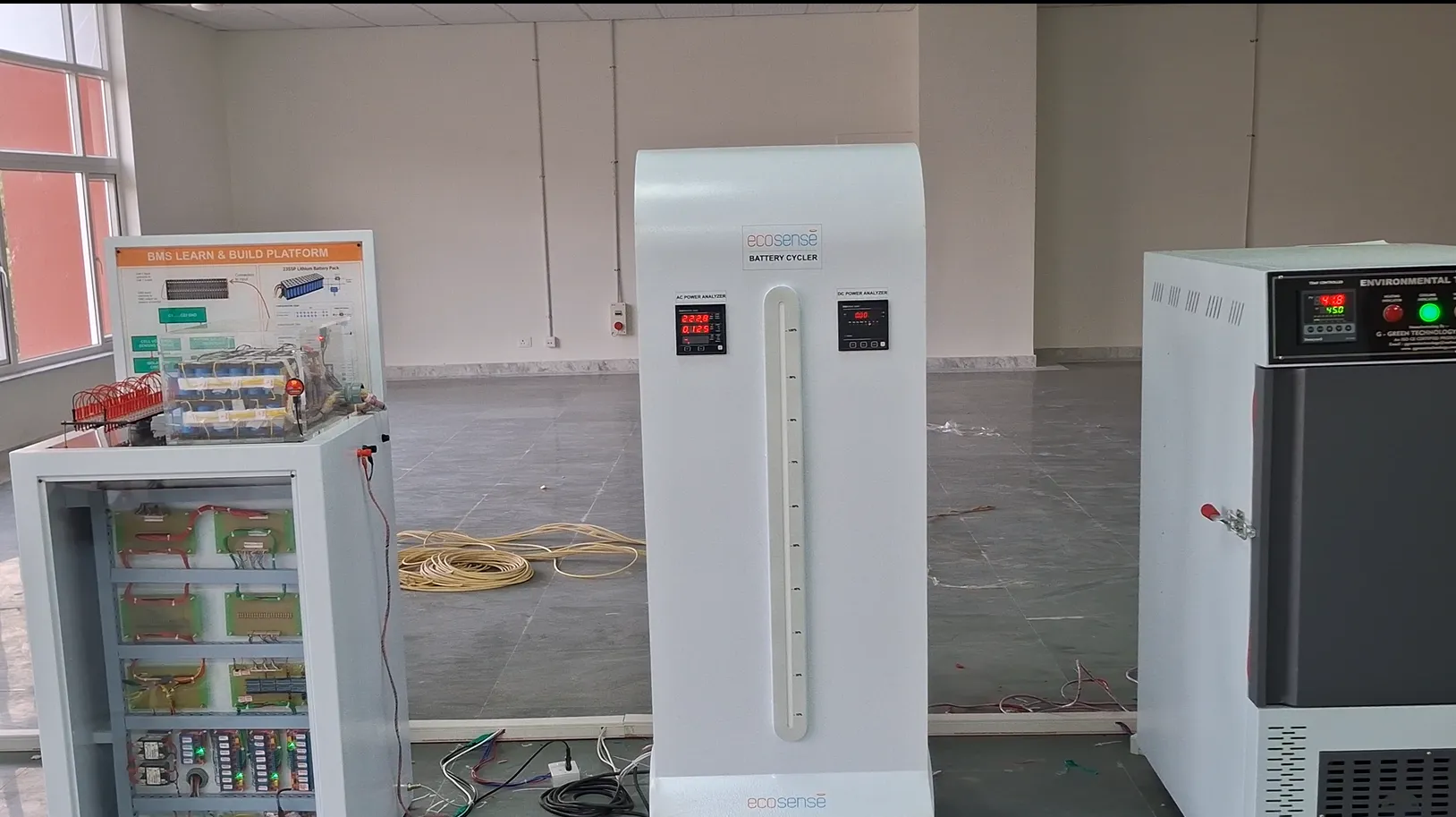
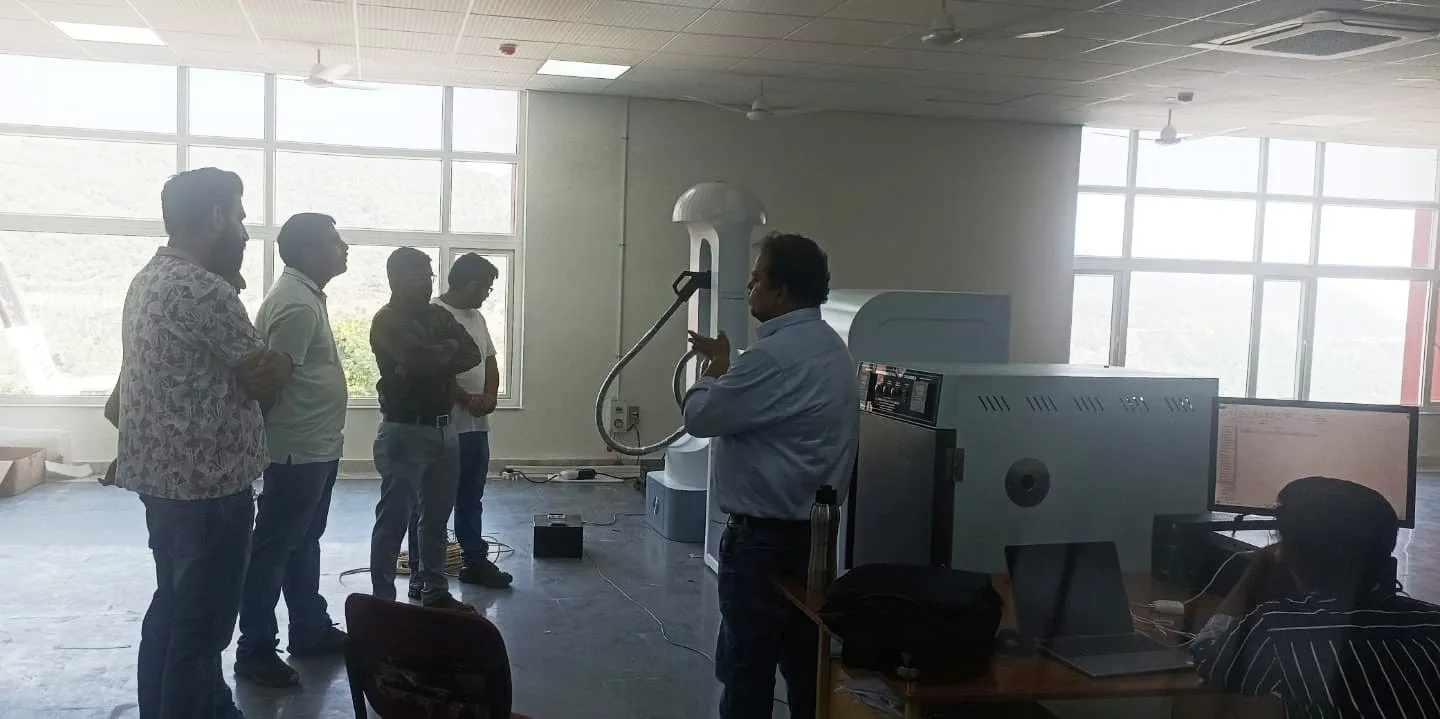
Ecosense successfully installed advanced EV learning and research systems at the Department of Electrical Engineering, Shri Mata Vaishno Devi University (SMVDU), Katra. The installation includes a Battery Cycler with Data Analytics, BMS Learn & Build Platform, and Modular & Adaptive EVSE, enabling students and researchers to gain practical exposure to battery technologies, battery management systems, and EV charging infrastructure.

Strengthening Electric Mobility Education Through Practical Learning

Electric mobility is no longer an emerging trend. It has become one of the fastest-growing technological transformations in the automotive and energy sectors. The increasing demand for electric vehicles has created a need for engineers and researchers who possess practical knowledge of battery technologies, battery management systems, and EV charging infrastructure. Industries today are actively looking for professionals who can work on real-world EV systems rather than relying only on theoretical understanding.

Educational institutions are therefore moving toward industry-oriented laboratories that provide hands-on exposure to technologies shaping the future of transportation. Recognizing this requirement, Ecosense has successfully installed advanced Electric Vehicle learning and research systems at the Department of Electrical Engineering, Shri Mata Vaishno Devi University (SMVDU), Katra.

The newly established setup is designed to create a practical learning environment where students and researchers can directly interact with critical EV technologies and understand their behavior through experimentation and analysis. The installation strengthens the institution’s capability to support modern EV education and research activities while preparing students for rapidly evolving industry demands.

The installation includes:

  • Battery Cycler with Data Analytics
  • BMS Learn & Build Platform
  • Modular & Adaptive EVSE

Together, these systems provide an integrated learning ecosystem covering battery performance evaluation, intelligent battery management, and EV charging technologies.

Battery Cycler with Data Analytics

Battery technology forms the foundation of electric vehicles, making battery testing and performance evaluation essential for EV education and research. Factors such as battery life, efficiency, charging characteristics, and thermal behavior significantly affect vehicle performance and reliability.

To support practical battery studies, Ecosense installed the Battery Cycler with Data Analytics platform at SMVDU. The system allows students and researchers to perform detailed charge-discharge experiments while continuously monitoring battery parameters and performance indicators.

The platform enables practical learning related to:

  • Battery charging characteristics
  • Discharge profiles
  • Capacity estimation
  • Cycle life studies
  • State of Charge (SOC) analysis
  • Battery efficiency evaluation
  • Degradation and performance trends

One of the major advantages of this platform is its integrated data analytics capability. Students can observe battery behavior in real time and analyze performance trends through graphical representation and stored datasets.

Instead of learning battery behavior through static textbook examples, users gain the opportunity to study how batteries respond under actual operating conditions. This practical understanding helps learners identify patterns associated with battery aging, charging efficiency, and system performance.

The system can also support research activities involving lithium-ion battery technologies, making it valuable for both academic coursework and applied research projects.

BMS Learn & Build Platform

Battery Management Systems play a critical role in ensuring the safety, reliability, and efficient operation of battery packs in electric vehicles. A modern EV battery pack cannot operate effectively without an intelligent system capable of monitoring and controlling battery parameters.

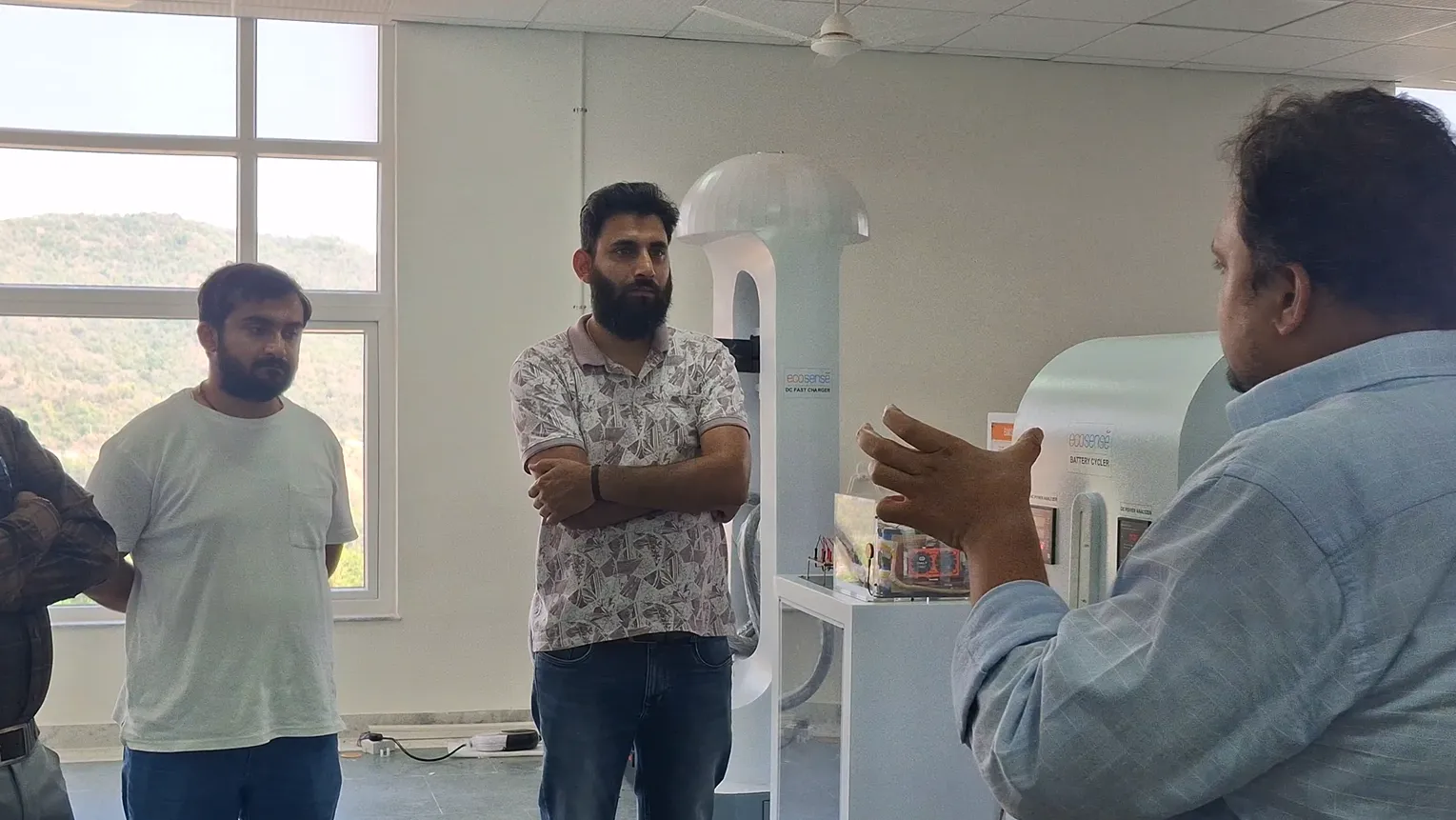
To strengthen understanding of these technologies, Ecosense installed the BMS Learn & Build Platform at Shri Mata Vaishno Devi University.

The platform provides a practical environment where students can learn how battery management systems function internally rather than treating them as closed or predefined systems.

Students and researchers can explore concepts such as:

  • Cell voltage monitoring
  • Temperature sensing and control
  • Cell balancing techniques
  • Internal Resistance Measurement
  • Battery protection mechanisms
  • State of Charge (SOC) estimation
  • State of Health (SOH) analysis
  • Communication protocols
  • Fault identification and protection strategies

The platform allows users to build and experiment with battery management functionalities themselves. This interactive learning approach helps students understand how battery packs are monitored and protected in practical electric vehicle applications.

The system also encourages experimentation in battery electronics and embedded system development, helping students bridge the gap between theoretical concepts and industrial implementation.

As Battery Management Systems continue to evolve with increasing battery complexity, practical exposure to these technologies becomes increasingly important for students pursuing careers in electric mobility.

Ecosense Installed Advanced EV Learning and Research Systems at Shri Mata Vaishno Devi University, Katra

Modular & Adaptive EVSE

As electric vehicle adoption increases globally, charging infrastructure development is becoming equally important. Charging systems represent a key component of the EV ecosystem and require engineers who understand both electrical systems and EV communication technologies.

To address this requirement, Ecosense installed the Modular & Adaptive EVSE platform at the Department of Electrical Engineering.

The system provides practical understanding of EV charging systems and enables students to study charging principles through experimentation.

Key learning areas supported by the platform include:

  • EV charging fundamentals
  • Charging communication systems
  • AC charging architecture
  • Charging safety mechanisms
  • Protection systems
  • Smart charging concepts

The modular design of the system allows students to explore different charging configurations and understand how charging systems interact with vehicles and electrical infrastructure.

This practical exposure helps learners understand challenges related to charging efficiency, charging safety, and EV infrastructure deployment.

The system also helps bridge the gap between classroom learning and industrial applications by allowing users to work with concepts used in real-world charging systems.

Building a Future-Ready EV Learning Ecosystem

The combination of these advanced platforms creates a comprehensive EV learning and research environment at Shri Mata Vaishno Devi University. Instead of studying isolated components individually, students can understand how batteries, battery management systems, and charging infrastructure interact within the larger EV ecosystem.

The installed setup creates opportunities for:

  • Industry-oriented technical training
  • Battery performance analysis
  • Battery Management System development
  • EV charging infrastructure studies
  • Embedded systems learning
  • Practical experimentation and research
  • Skill development in electric mobility technologies

Such integrated laboratories are becoming increasingly important because modern electric vehicles rely on multidisciplinary engineering concepts involving electronics, energy systems, embedded control, and intelligent monitoring technologies.

Hands-on experience gained through practical experimentation significantly improves students' understanding and prepares them for industrial and research environments.

Supporting the Future of Electric Mobility Education

The electric vehicle industry is expected to continue expanding rapidly over the coming years. Supporting this growth requires educational institutions capable of delivering practical training aligned with industry expectations.

Through this installation at Shri Mata Vaishno Devi University, Katra, Ecosense continues its mission of developing advanced educational and research infrastructure in emerging technologies.

The newly installed systems will provide students and researchers with opportunities to learn, experiment, and innovate while building skills required for the next generation of electric mobility solutions.

By combining theoretical understanding with real-world experimentation, the setup establishes a strong foundation for future engineers and researchers working toward sustainable transportation technologies.

Ecosense Installed Advanced EV Learning and Research Systems at Shri Mata Vaishno Devi University, Katra


Get in Touch

Ready to transform your labs?

Contact Now