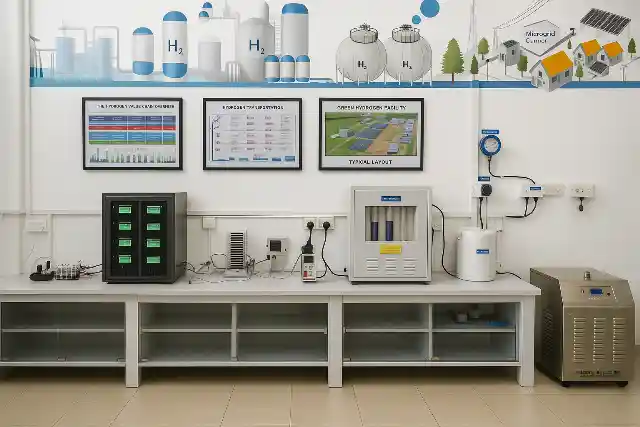
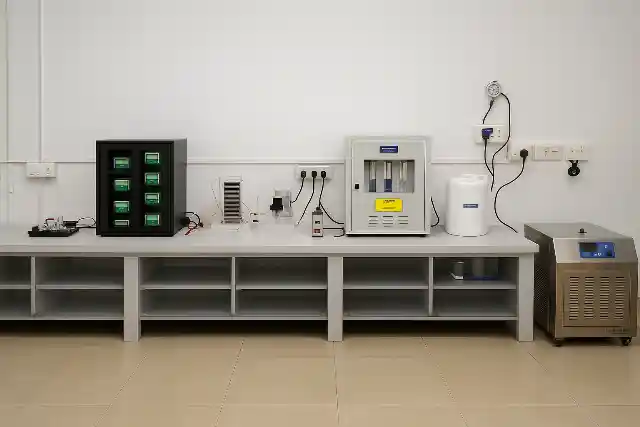
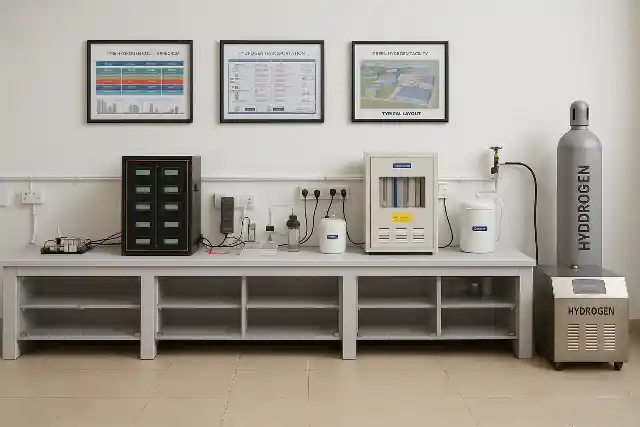
Green Hydrogen Generation, Storage and Utilization System 

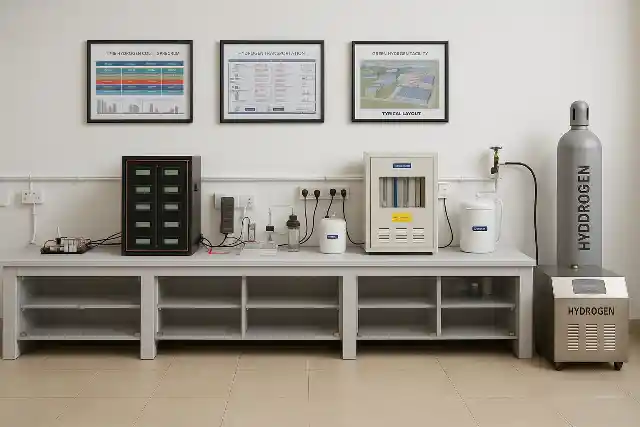
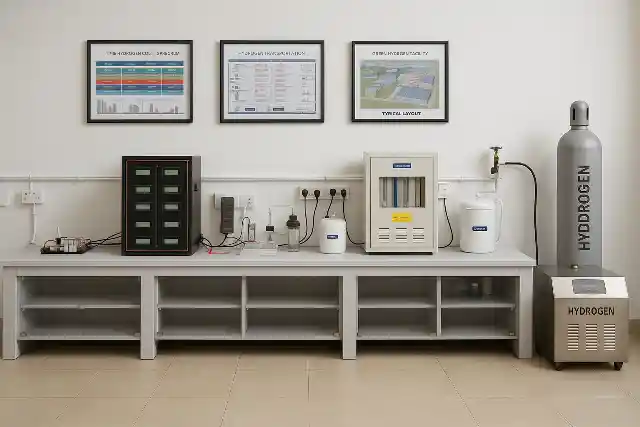
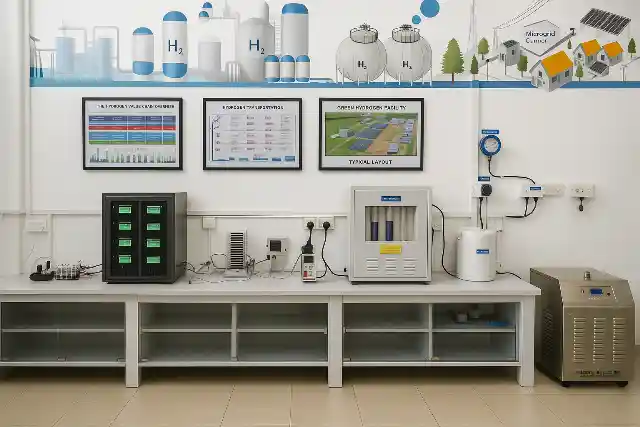
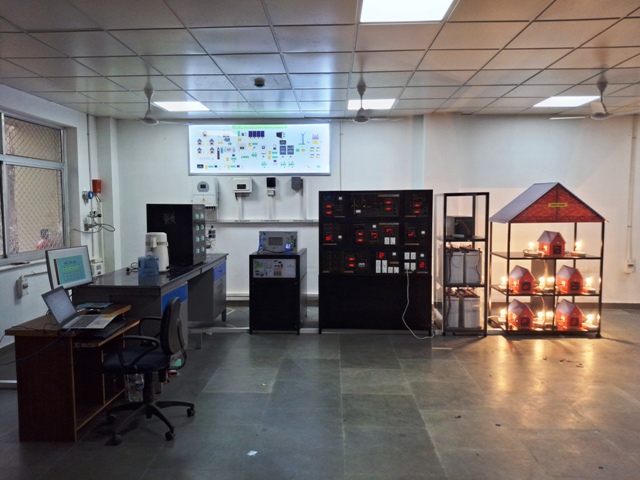
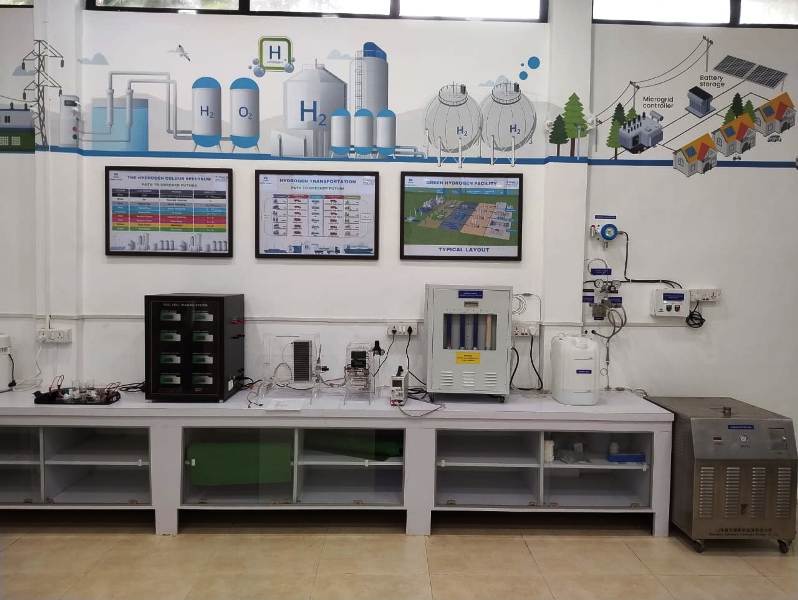
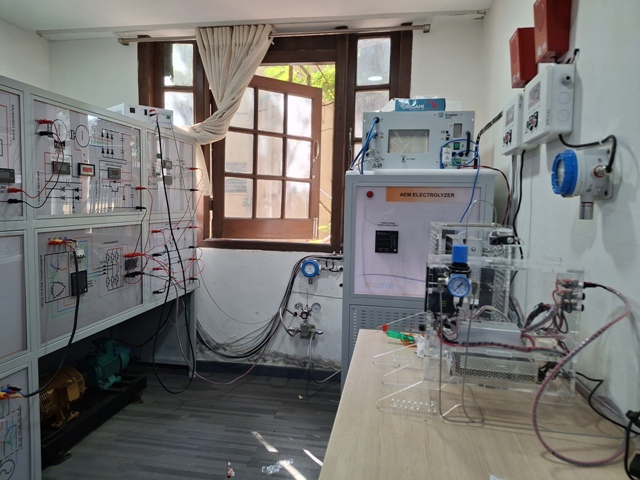
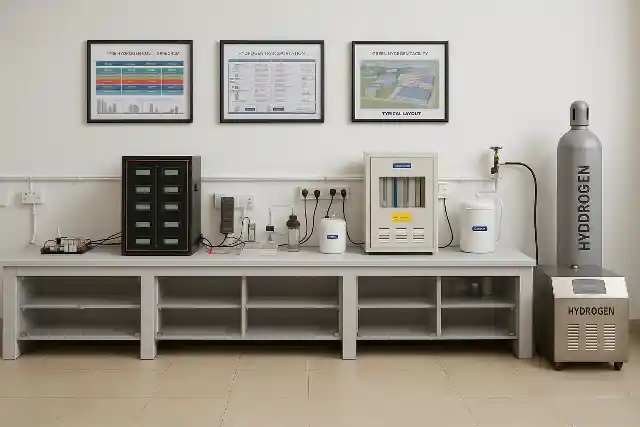
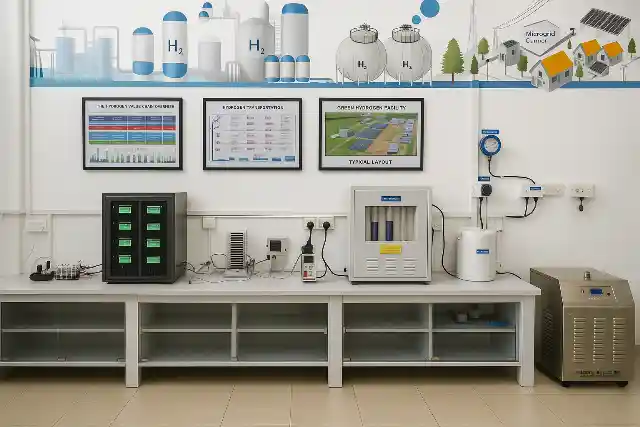
The Green Hydrogen Generation, Storage and Utilization System is a customizable experimental and research platform designed to facilitate the comprehensive study of the entire green hydrogen cycle. It enables users to explore every stage—from renewable energy integration (via Solar PV arrays or PV emulator systems) and water purification, to hydrogen generation using a choice of electrolyzers (PEM, AEM, or Alkaline), followed by safe storage and final utilization through a PEM fuel cell. This system offers a complete hands-on learning environment, making it ideal for academic institutions, research laboratories, and technology training centers focused on advancing hydrogen energy technologies with a strong focus on safety, control, and performance analysis. 
Key Features

  • Complete Hydrogen Cycle in One System: Enables practical experiments across all stages: electrolysis to hydrogen drying  to safe gas storage to fuel cell-based power output.
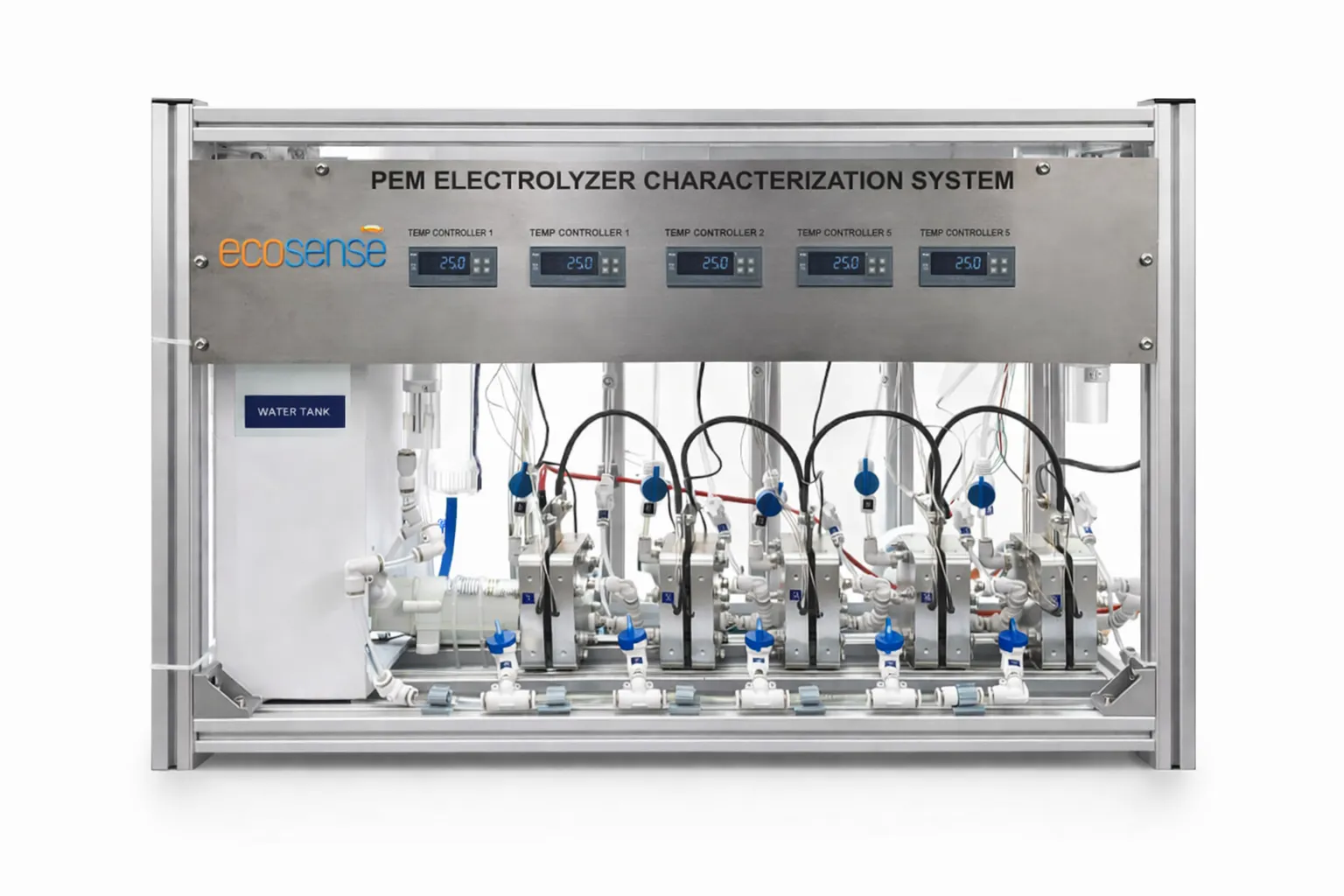
  • Choice of Electrolyzer Type: Configure the system with any one of the following electrolyzers:PEM (Proton Exchange Membrane); AEM (Anion Exchange Membrane); Alkaline Electrolyzer. Each variant includes suitable purification, control, and safety features.
  • Multiple Power Source Options: Users can power the electrolyzer using: A real Solar PV Array or A Solar PV Simulator or standard AC grid electricity. This flexibility allows year-round experimentation in both lab and field environments.
  • Hydrogen Leak Detection & Safety System: Integrated leak detectors, solenoid valves, and NRVs provide real-time safety with auto-shutdown capability.
  • Real-Time Monitoring and Control: View live parameters such as voltage, current, hydrogen pressure, flow rate, and power output—ideal for student-led experiments and lab reporting.
  • Fuel Cell Utilization for DC & AC Loads: Stored hydrogen powers a PEM fuel cell, which is connected to a battery and inverter for running real-world AC/DC loads.
  • Simultaneous Electrolyzer & Fuel Cell Operation: Designed to support real-time, simultaneous operation of the electrolyzer and fuel cell, allowing users to study dynamic energy flows, power balancing, and hybrid system behavior within a single experimental setup.
  • Software-Based Control (Optional): Especially useful for research applications, the optional software allows logging, control, and custom algorithm testing (standard in AEM configuration).
  • Compact, Indoor-Ready Design: All components are enclosed in a lab-friendly bench-mounted setup with clear labeling, plug-and-play ports, and easy reconfiguration options.
Ecosense

Learning Module 

Ecosense

Hydrogen Production & Storage

  • Operate AEM / PEM / Alkaline electrolyzer and study H₂ generation rates

Fuel Cell Power Generation

  • Run PEM fuel cell using stored hydrogen and log V-I, power, and efficiency curves
  • Interface with charge controller, battery bank, and inverter
  • Supply real AC and DC loads and analyze dynamic response
  • Investigate energy flow and losses across the full hydrogen-to-electricity cycle

Safety, Control & Research Experimentation

  • Simulate hydrogen leaks and observe automatic safety response
  • Learn practical implementation of NRVs, solenoids, relief valves

Technical Description

  • The system is powered using a regulated AC supply or renewable energy source, which feeds electrical power to the control and power-conditioning unit.
  • Raw water is purified using an integrated water distiller to achieve low conductivity levels suitable for electrolysis.
  • Purified water is supplied to the electrolyzer module, where PEM, Alkaline, or AEM electrolyzers split water into hydrogen and oxygen through electrochemical reactions.
  • Oxygen is safely vented to the atmosphere, while hydrogen exits the electrolyzer with residual moisture.
  • Moist hydrogen passes through a desiccant-based hydrogen dryer that removes moisture and improves gas purity.
  • The dried hydrogen is routed through pressure regulation and flow-measurement devices for real-time monitoring.
  • Hydrogen is stored in certified laboratory-grade cylinders at controlled pressure for later use.
  • Stored hydrogen is supplied to a PEM fuel cell module, where it reacts with oxygen from air to generate DC electrical power.
  • The generated electrical power is delivered to electrical loads or energy storage through an inverter and battery system.
  • Integrated safety systems—hydrogen leak detectors, pressure gauges, relief valves, and emergency shutdowns—ensure safe operation throughout generation, storage, and utilization stages.
Ecosense

Technical Specifications 

Ecosense

Hydrogen Generation (Electrolyzers)


ParametersSpecifications
Electrolyzer TypesPEM, Alkaline, AEM
Hydrogen OutputUp to 0.5 Nm³/hr (AEM), 0–3000 ml/min (PEM & Alkaline)
Hydrogen Purity≥ 99.9%
Operating PressureUp to 35 bar

* specifications can be customized as per user's requirements.

Hydrogen Storage & Conditioning


ParametersSpecifications
Gas DryingDesiccant-based hydrogen dryer (up to 99% moisture removal)
Storage MediumIndustrial-grade hydrogen cylinders
Cylinder Capacity47 L
Storage PressureUp to 35 kg/cm²

* specifications can be customized as per user's requirements.

Power, Control & Utilization


ParametersSpecifications
Input Power Supply220–240 V AC, 50/60 Hz
Fuel Cell TypePEM Fuel Cell
Rated Fuel Cell Power1 kW
Monitoring & SafetyPressure gauges, rotameter, hydrogen leak detector

* specifications can be customized as per user's requirements.

Related Products

Frequently Asked Questions

The system uses electrical power from the grid or renewable sources to drive electrolyzers (PEM, Alkaline, or AEM). These electrolyzers split purified water into hydrogen and oxygen through electrochemical reactions, producing green hydrogen without carbon emissions.

After generation, hydrogen passes through a gas dryer to remove moisture, then flows through pressure regulation and measurement units. The dried hydrogen is stored safely in certified cylinders at controlled pressure for later utilization.

Stored hydrogen is supplied to a PEM fuel cell, where it reacts with oxygen from air to generate DC electrical power. This power can be used to run electrical loads, charge batteries, or be converted to AC using an inverter.

The system incorporates hydrogen leak detectors, pressure gauges, relief valves, flow meters, and emergency shutdown mechanisms. These safety features continuously monitor operating conditions and protect users during hydrogen generation, storage, and utilization.

Get in Touch

Ready to transform your labs?

Contact Now