BMS Learn & Build Platform 

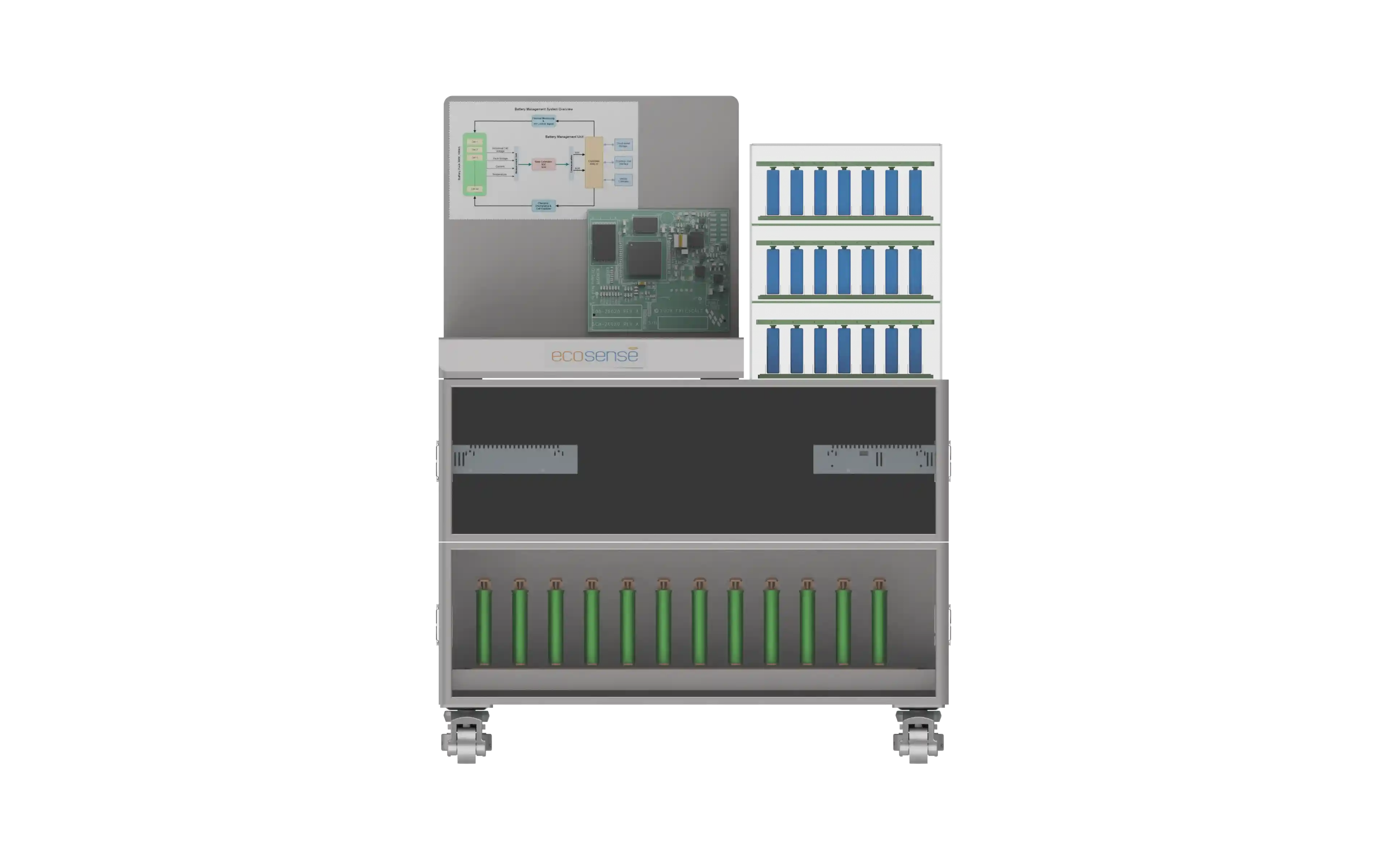
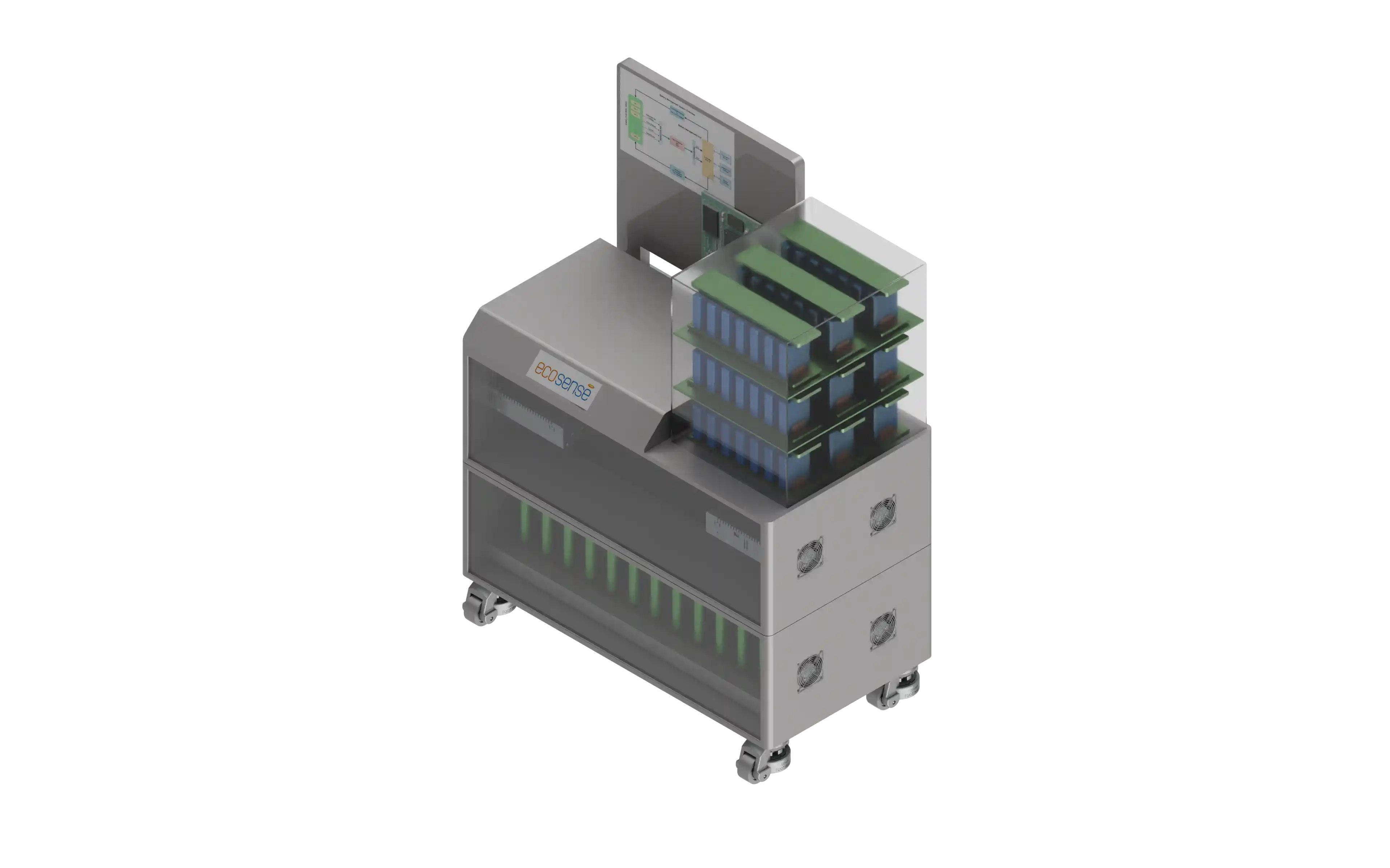
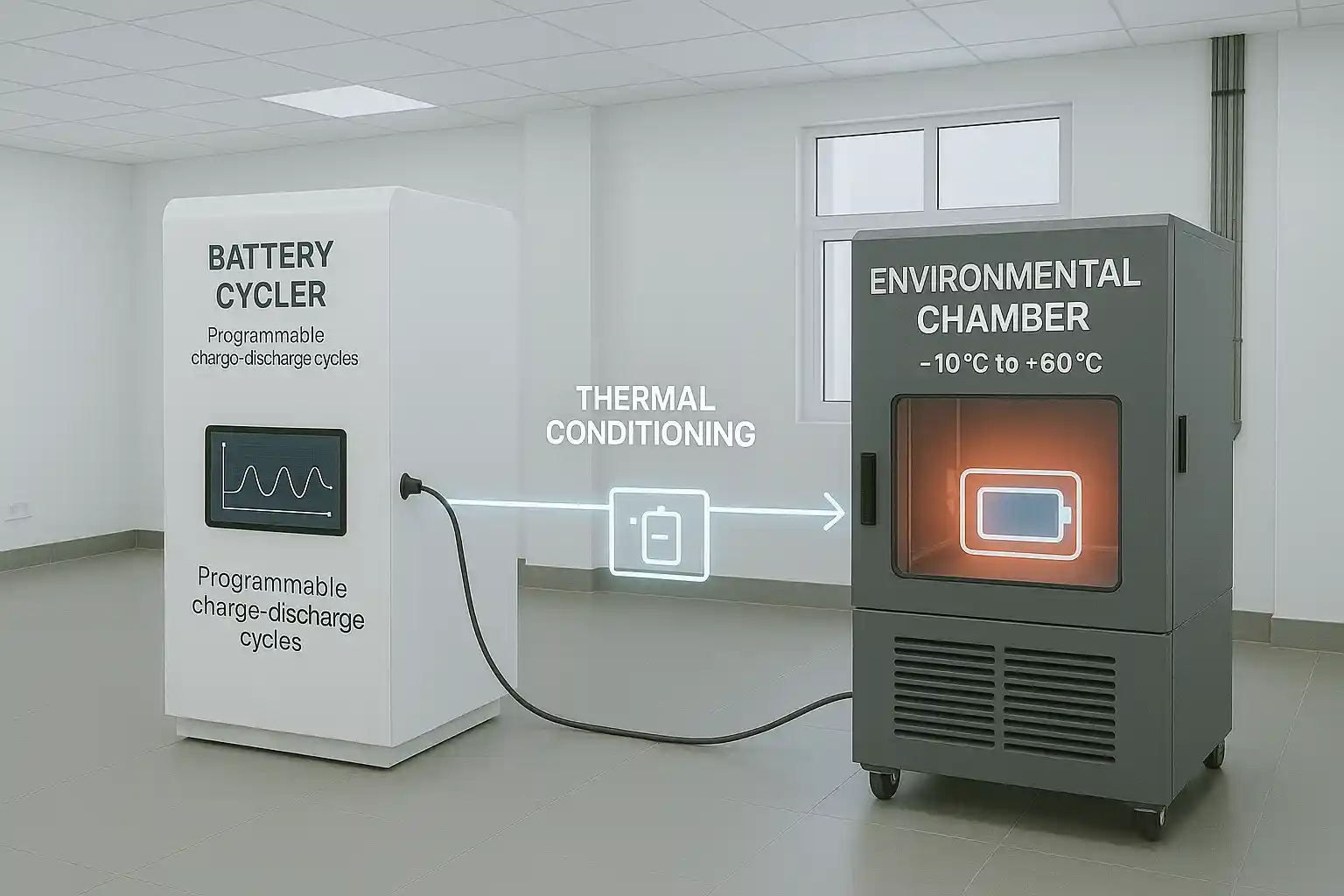
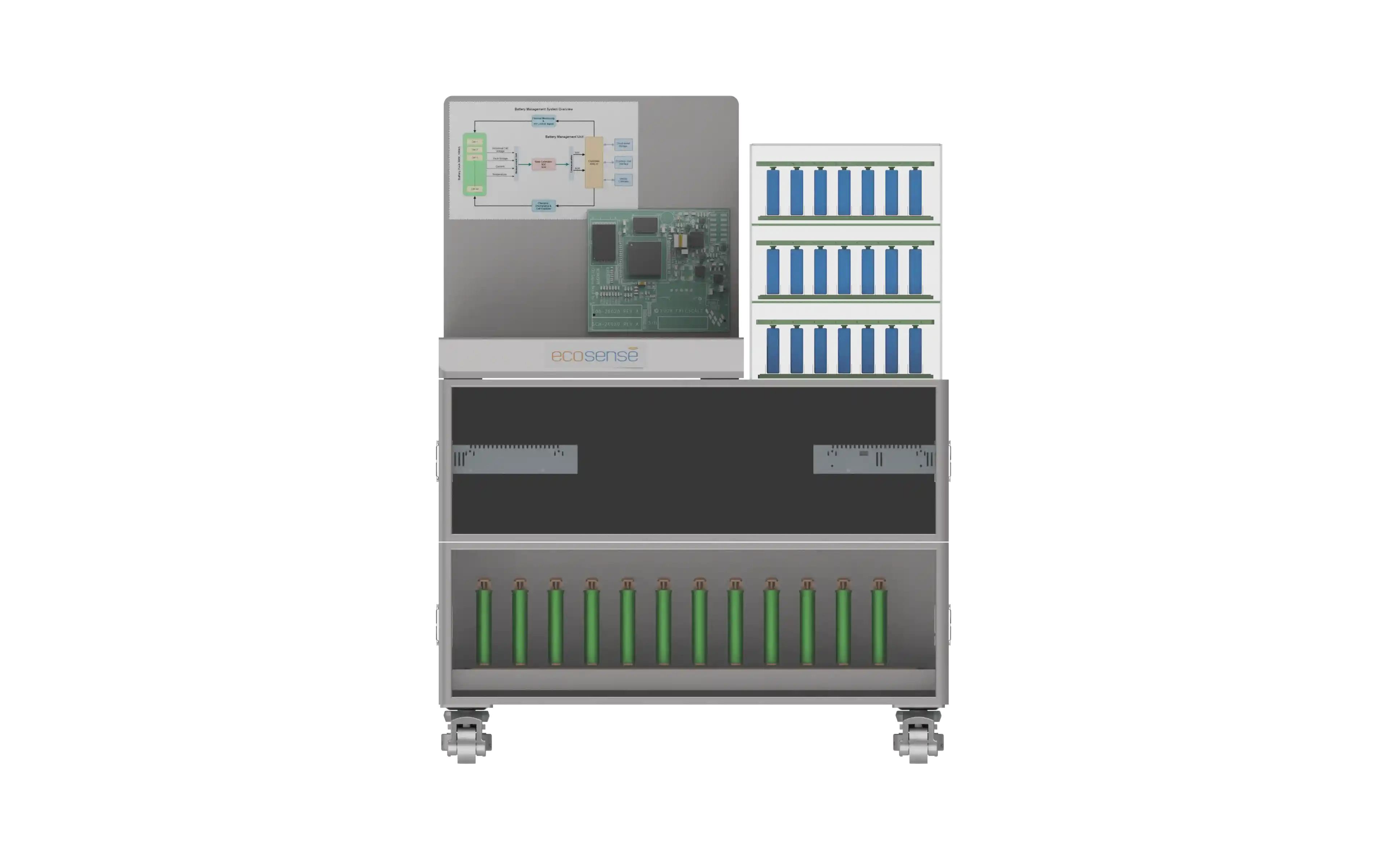
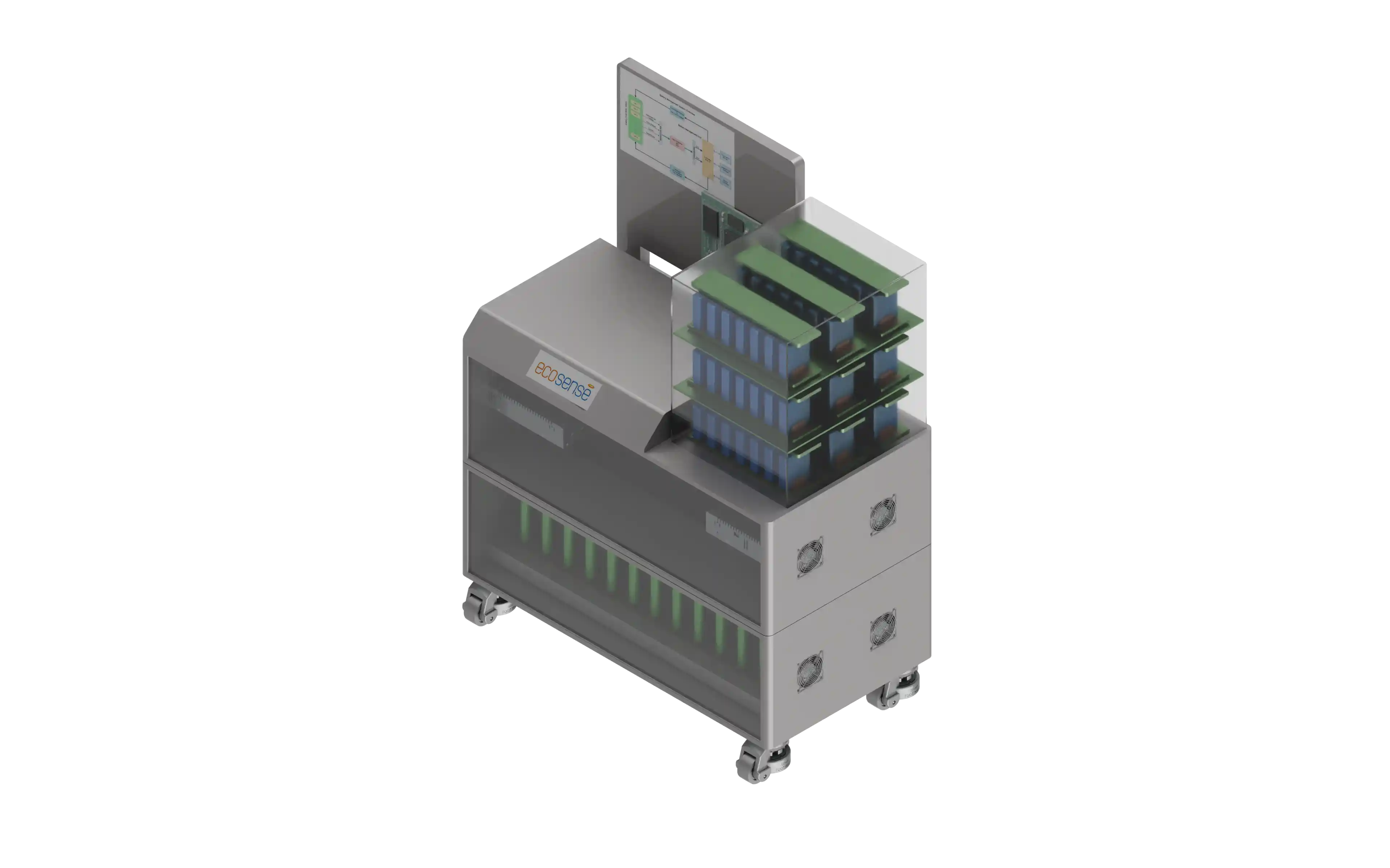
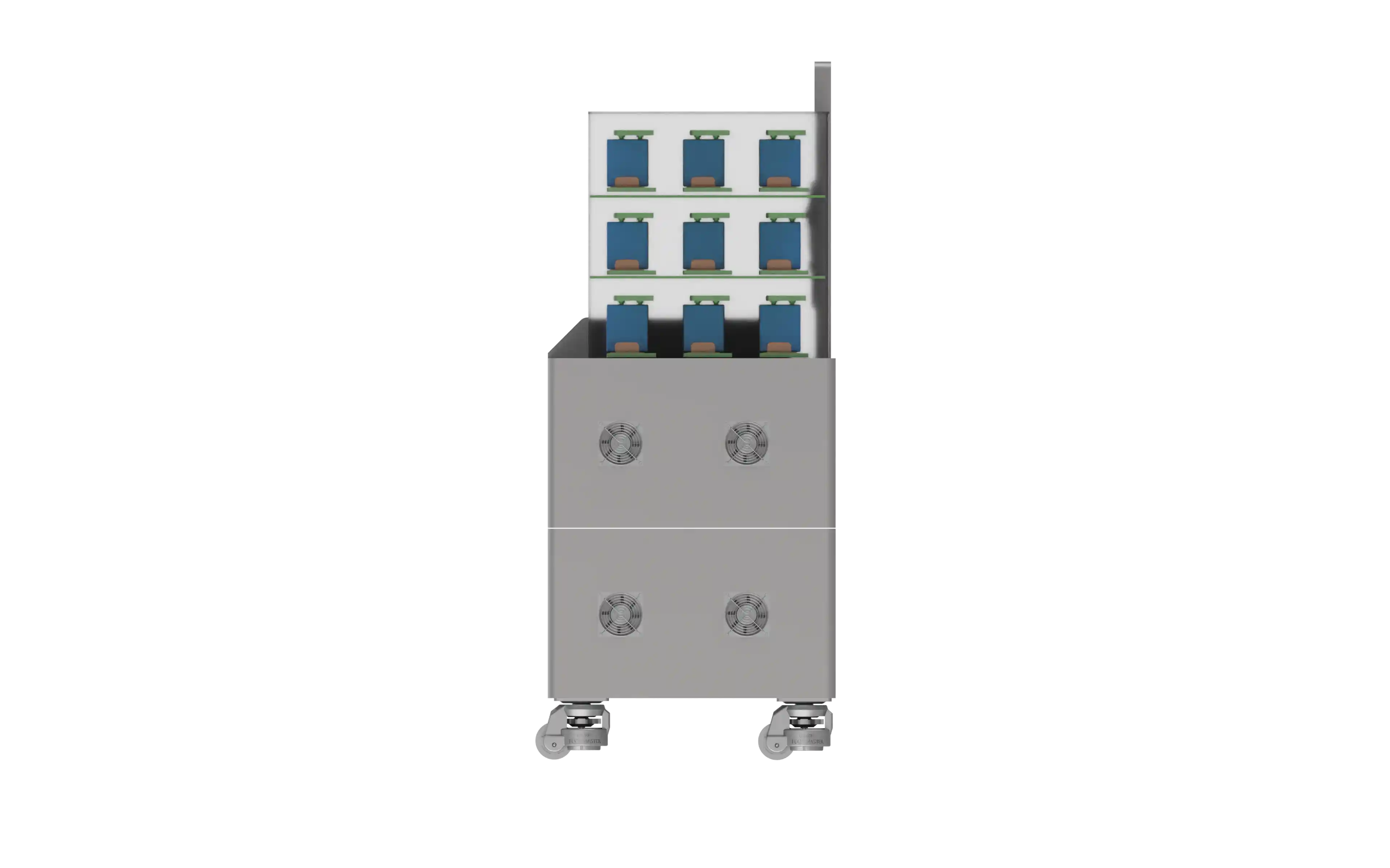
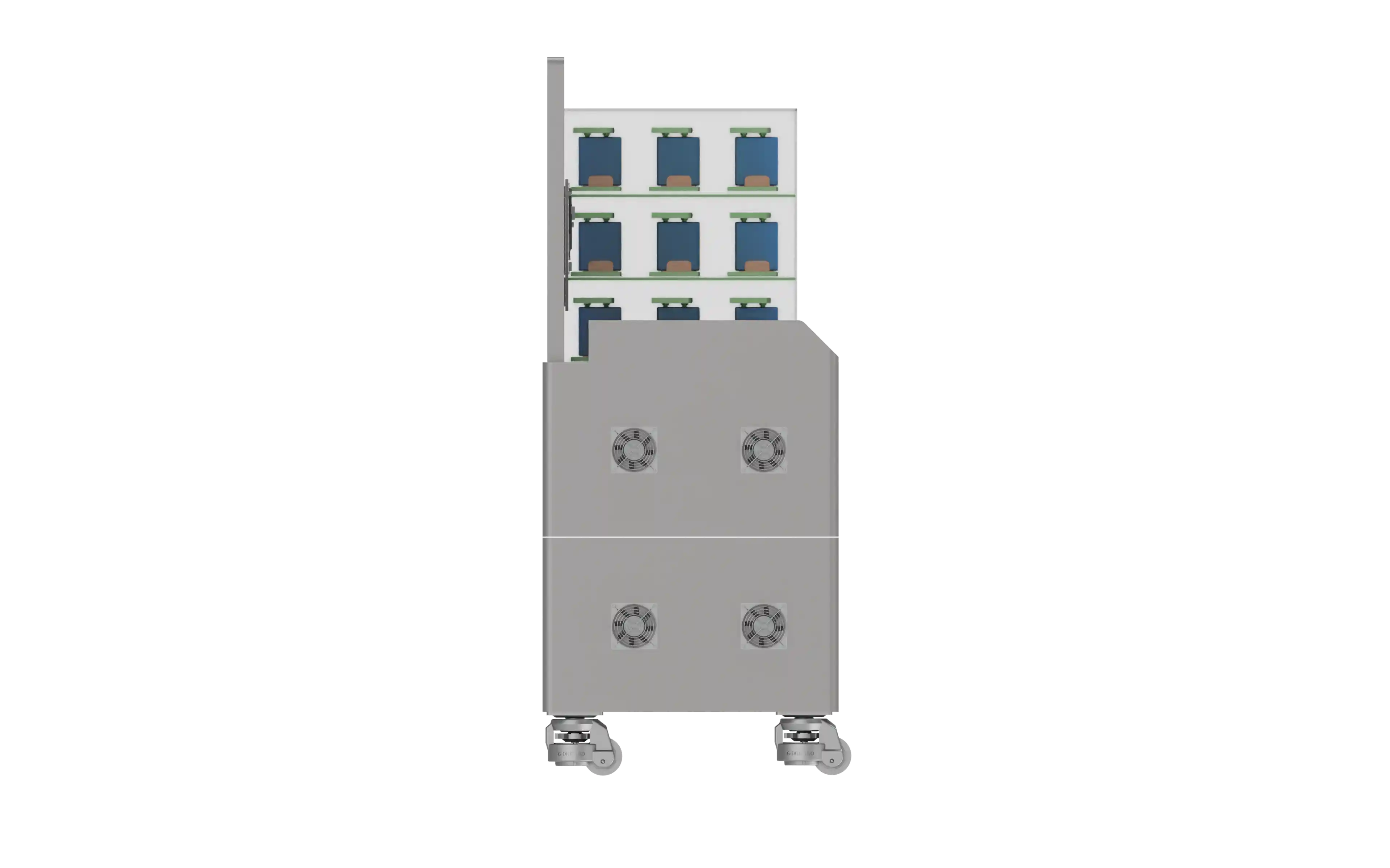
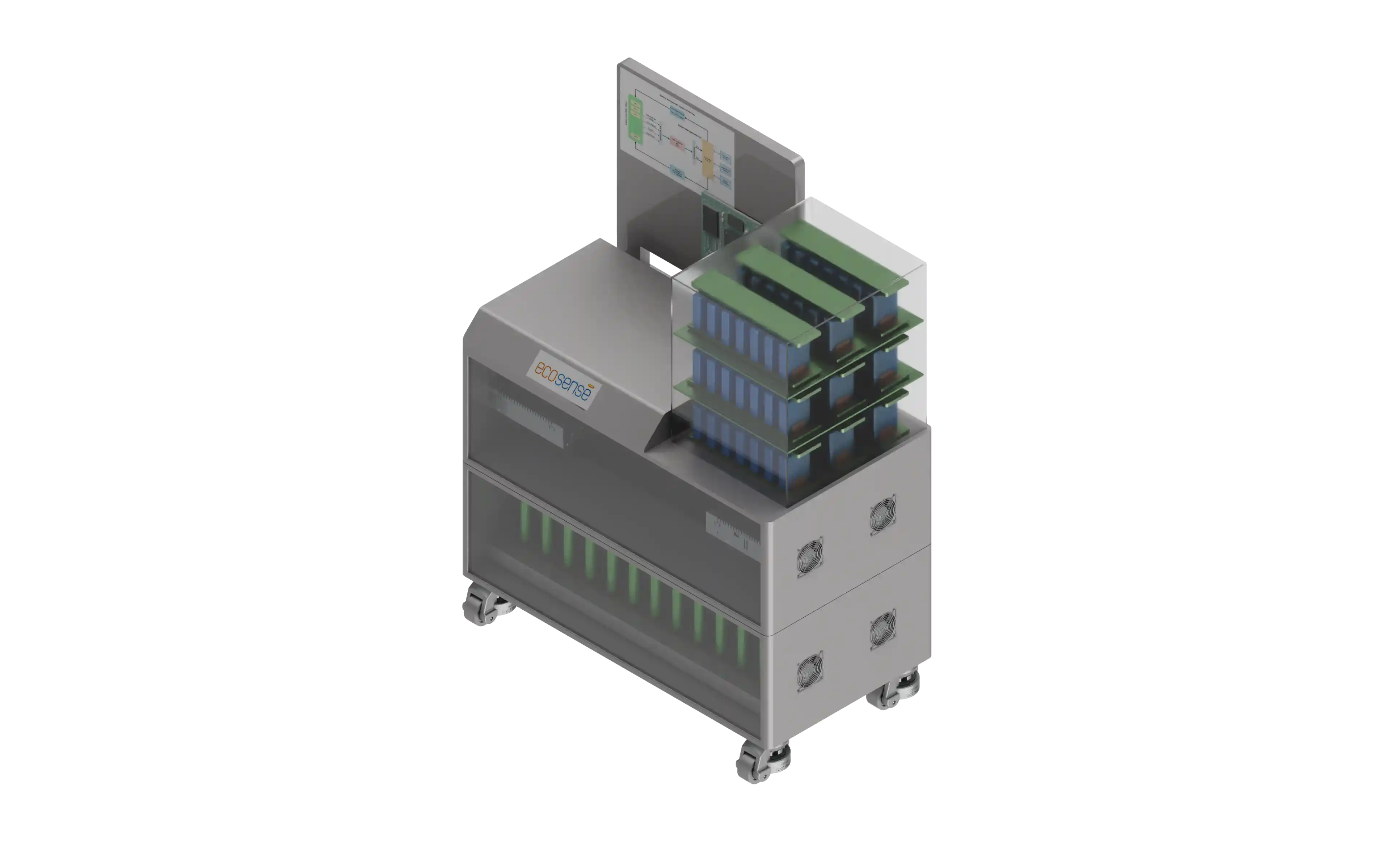
The BMS Learn & Build Platform is a modular training and research system designed to bridge classroom learning with real-world battery applications. It enables students, researchers, and developers to design, program, and validate Battery Management System (BMS) algorithms on real battery packs, addressing the growing demand for safe and intelligent battery management in electric vehicles and energy storage systems.The platform integrates a BMS development unit, a battery cycler with data analytics, and an environmental chamber for controlled charge–discharge and thermal testing. With LabVIEW-based monitoring and open-source firmware, users can configure experiments, simulate protection events, and analyze battery performance in real time. The system provides a scalable, hands-on environment for learning, algorithm development, and BMS validation. 
Key Features

  • Scalable BMS Architecture: Supports battery packs up to 23 cells in series and 5 in parallel, while allowing smaller configurations for progressive learning.
  • Bring Your Own Battery (BYOB): Enables connection of user-defined lithium battery packs for real-world testing and research flexibility.
  • High-Resolution Sensing Interface: Individual cell voltage, bidirectional current, and multi-point temperature sensing for accurate monitoring.
  • Advanced Protection Framework: Comprehensive cell- and pack-level protections including voltage, current, temperature, short-circuit, and fault diagnostics.
  • Multi-Mode Cell Balancing: Supports passive, active, and dynamic balancing strategies for comparative studies and algorithm development.
  • Multiple SoC Estimation Methods: Built-in support for Coulomb Counting, OCV, Kalman Filter, EKF, and user-defined algorithms.
  • Open-Source Firmware & Control Logic: Fully programmable microcontroller firmware for custom safety logic, estimation models, and control strategies.
  • LabVIEW-Based Graphical Interface: Real-time visualization, parameter control, fault injection, and data logging through an intuitive GUI.
  • Integrated Battery Cycler Compatibility: Enables controlled charge–discharge cycling with CC, CP, C-rate, and cycle modes.
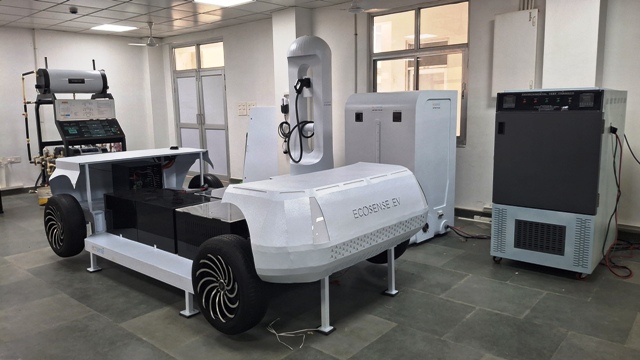
  • Environmental Testing Capability: Optional environmental chamber integration for temperature- and humidity-based battery behaviour studies.
Ecosense

Learning Module 

Ecosense

BMS Fundamentals & Architecture

  • Battery pack configuration and cell interconnections.
  • Role of BMS in EV safety and performance.
  • Sensing architecture for voltage, current, and temperature.
  • BMS hardware–software interaction

Algorithms, Balancing & Protection

  • Passive, active, and dynamic balancing techniques.
  • Implementation of protection thresholds and fault handling.
  • SoC estimation using classical and advanced methods.
  • SoH estimations
  • Comparative analysis of estimation accuracy and stability

Validation, Testing & Research

  • Controlled charge–discharge cycling and C-rate testing.
  • Thermal behaviour analysis using environmental chamber.
  • Long-term cycling and degradation studies.
  • Data-driven analysis for research and publications.

How BMS Learn and Build Platform Works

BMS Build and Learn Platform:

  • Operates as an integrated battery development and validation environment for BMS learning and research.
  • Users configure battery parameters, protection thresholds, cell balancing strategies, and test profiles through a PC-based application.
  • Configured settings are deployed to a programmable microcontroller that acts as the core BMS controller.
  • System continuously monitors individual cell voltages, pack current, and multiple temperature points using high-precision sensors.
  • Real-time feedback enables execution of protection logic and balancing algorithms to ensure safe and uniform cell operation.
  • Battery cycler performs programmable charge–discharge cycles in constant current, constant power, and C-rate modes.
  • All electrical parameters are logged continuously for analysis and validation.
  • Battery pack testing can be conducted inside an environmental chamber to evaluate temperature and humidity effects.
  • All measurements, fault events, and algorithm responses are recorded and visualized for performance assessment and refinement.
Ecosense

Technical Specifications 

Ecosense

BMS Learn & Build System


ParametersSpecifications
Battery ConfigurationUp to 23S × 5P (BYOB)
Max Pack Voltage73.6 V
Current Measurement±30 A bidirectional
Temperature Sensors≥4 channels (NTC/RTD)
Balancing ModesPassive, Active, Dynamic

* specifications can be customized as per user's needs.

Battery Cycler & Analytics


ParametersSpecifications
Voltage Range2.5 – 90 V
Current Range0 – 30 A
Max Power2500 W
Operating ModesCC, CP, C-rate, Cycle
Data ExportCSV, image files

* specifications can be customized as per user's needs.

Control & User Interface


ParametersSpecifications
Controller32-bit ARM Cortex-M4
FirmwareOpen-source, user editable
GUILabVIEW-based
Data LoggingReal-time & historical
IntegrationEnvironmental chamber support

* specifications can be customized as per user's needs.

Related Products

Frequently Asked Questions

The platform supports lithium-based battery chemistries such as LiFePO₄. It allows user-defined battery configurations up to 23 cells in series and 5 strings in parallel, enabling flexibility for academic experiments, EV battery studies, and research applications.

Yes. The system features open-source microcontroller firmware and a LabVIEW-based interface, allowing users to implement, modify, and validate custom algorithms for SoC estimation, cell balancing, and protection logic on real battery packs.

The platform incorporates comprehensive safety protections, including over-voltage, under-voltage, overcurrent, short-circuit, and temperature-based cut-offs at both cell and pack levels, ensuring safe operation during training and research.

The environmental chamber enables temperature- and humidity-controlled testing, allowing users to study battery performance, protection behaviour, and algorithm accuracy under real-world thermal stress conditions.

Get in Touch

Ready to transform your labs?

Contact Now