Solar Concentrator Training System 

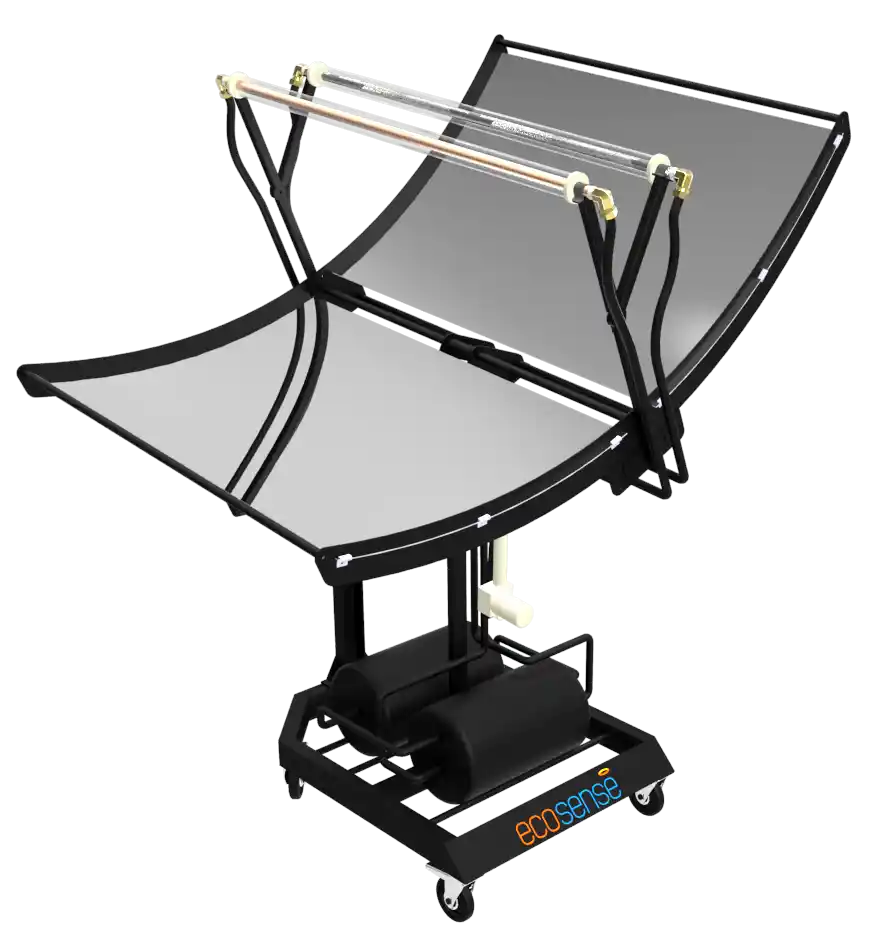
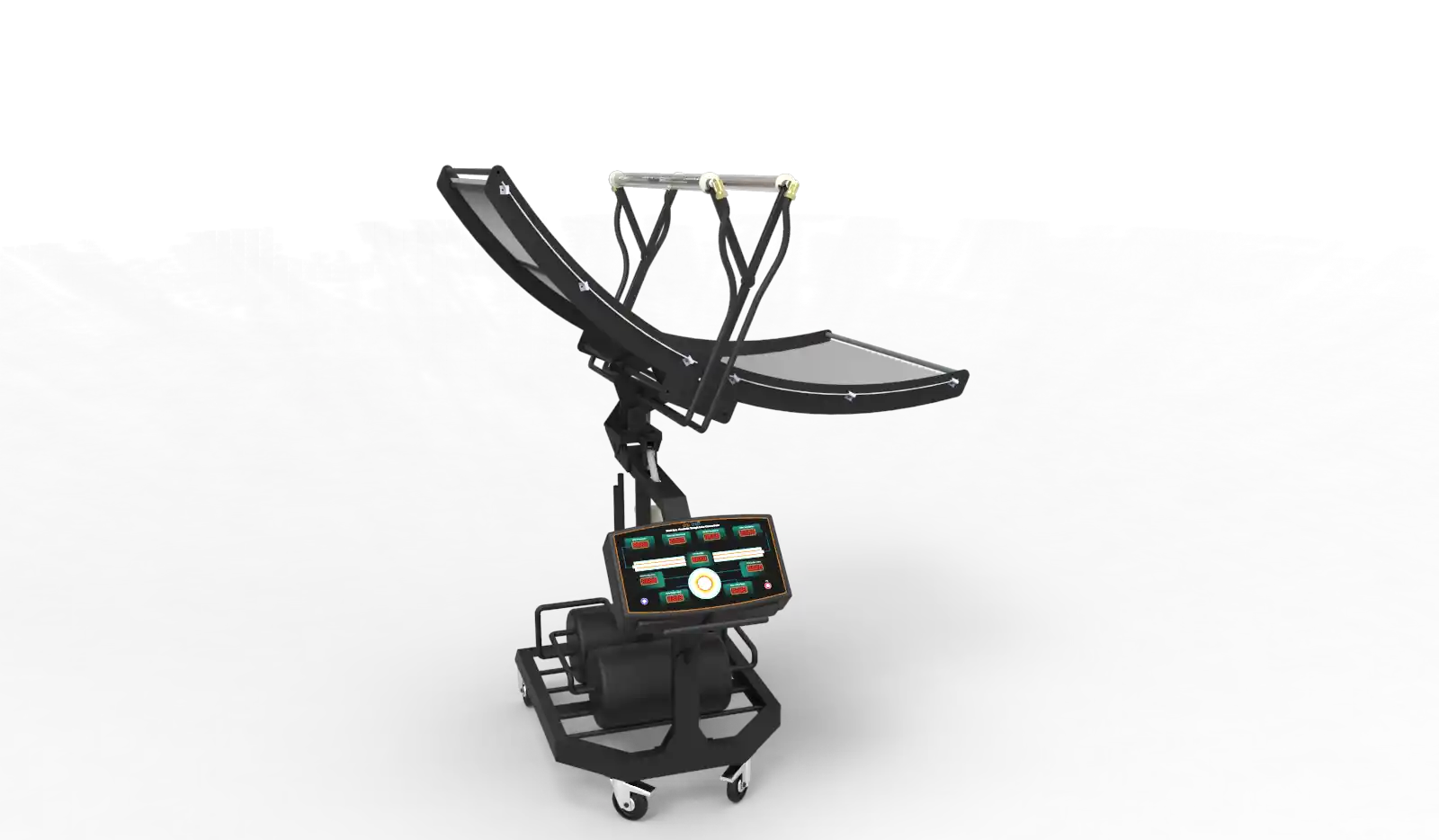
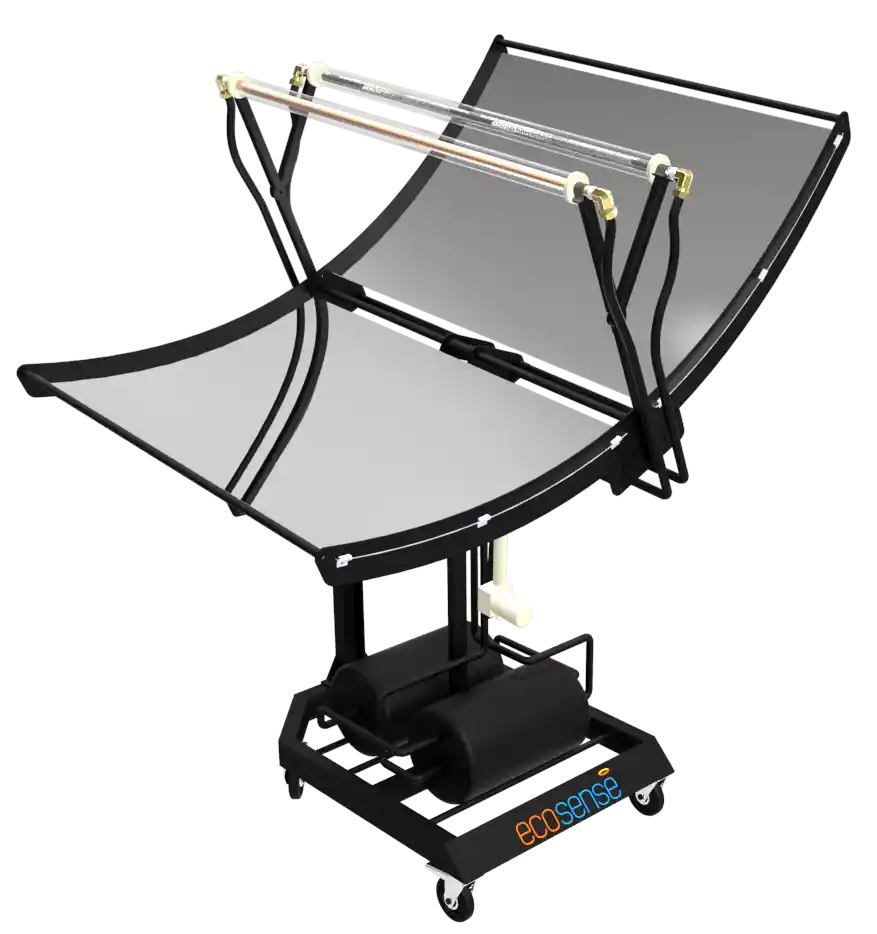
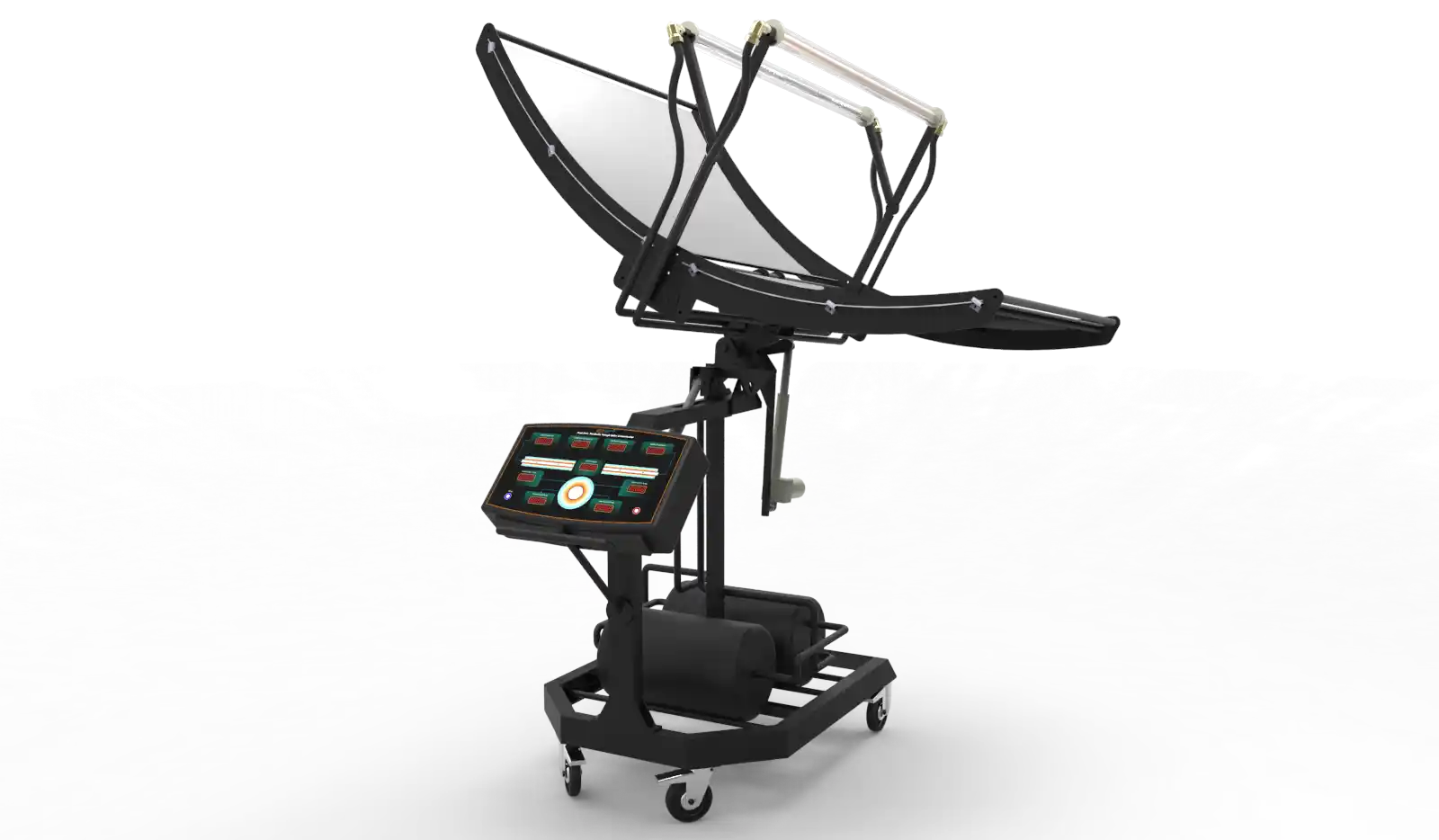
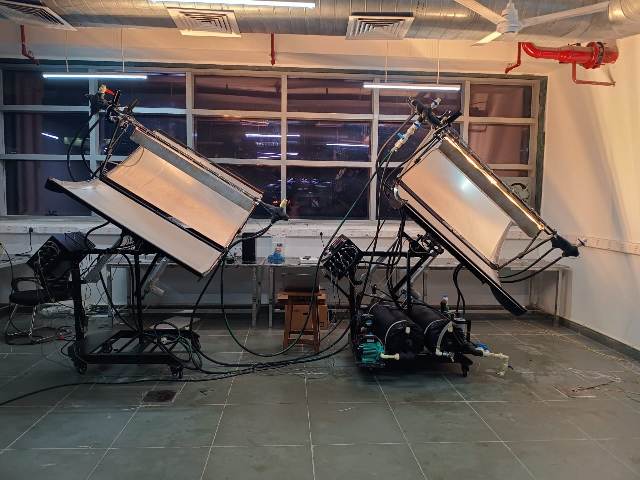
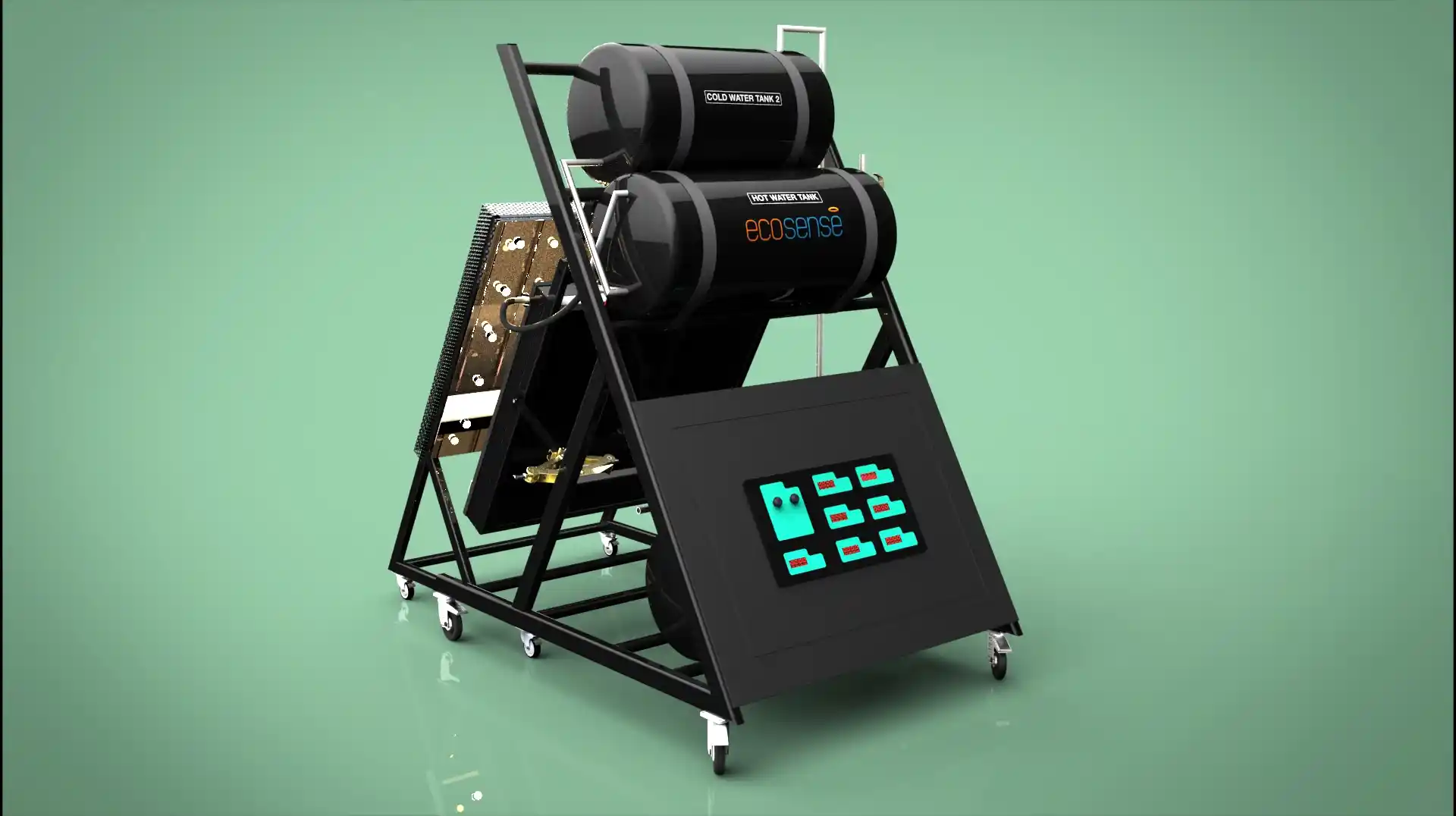
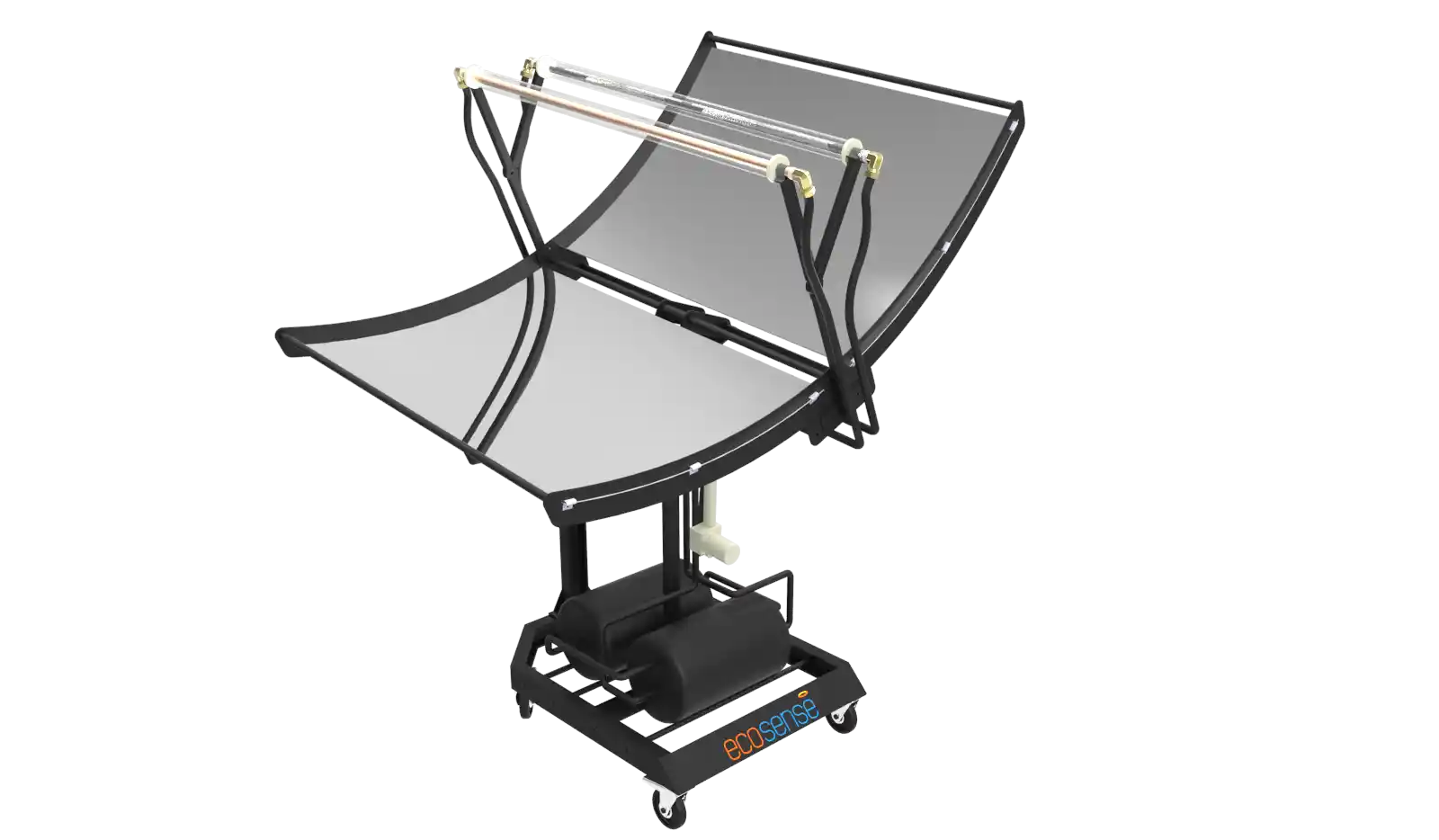
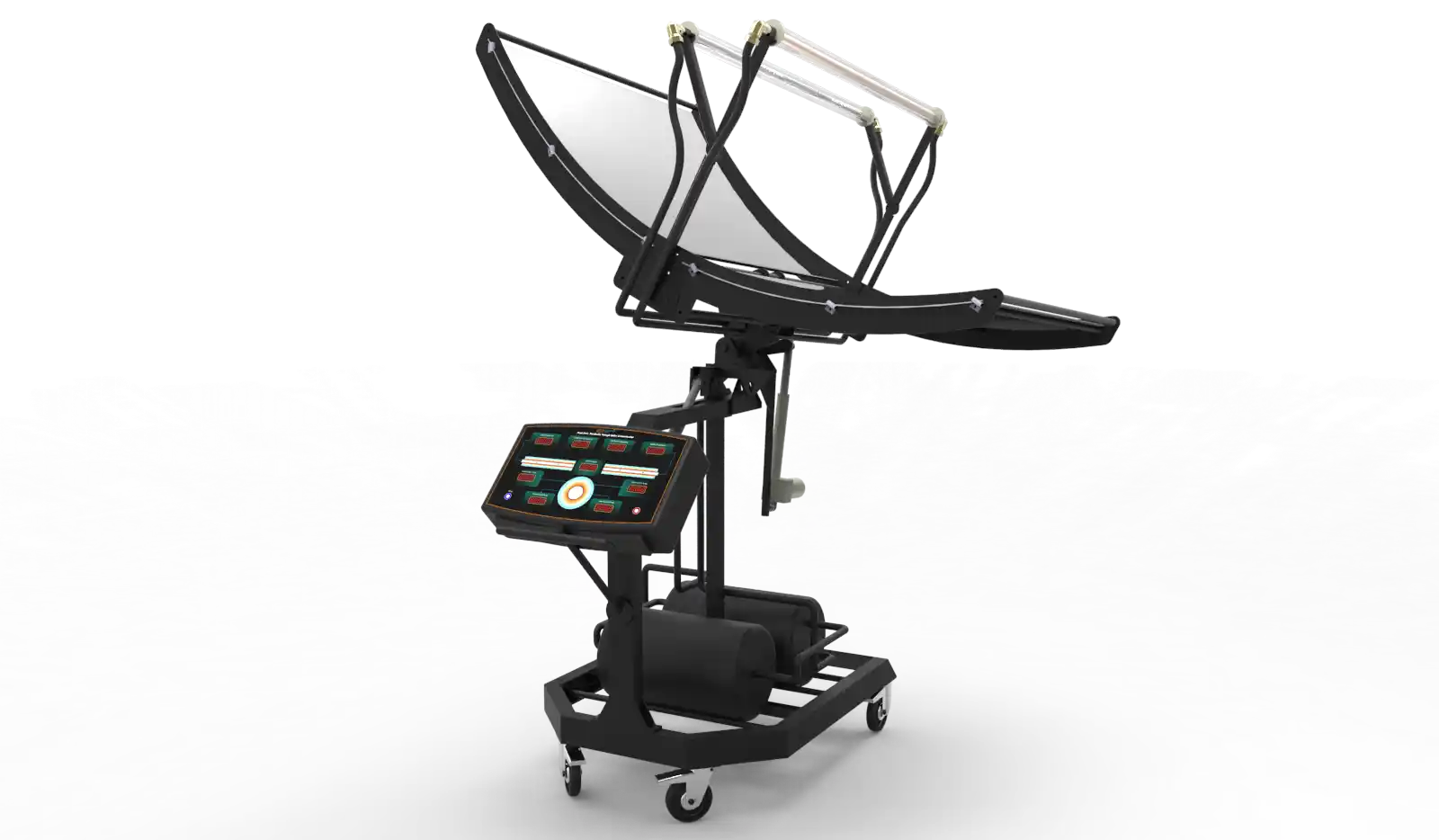
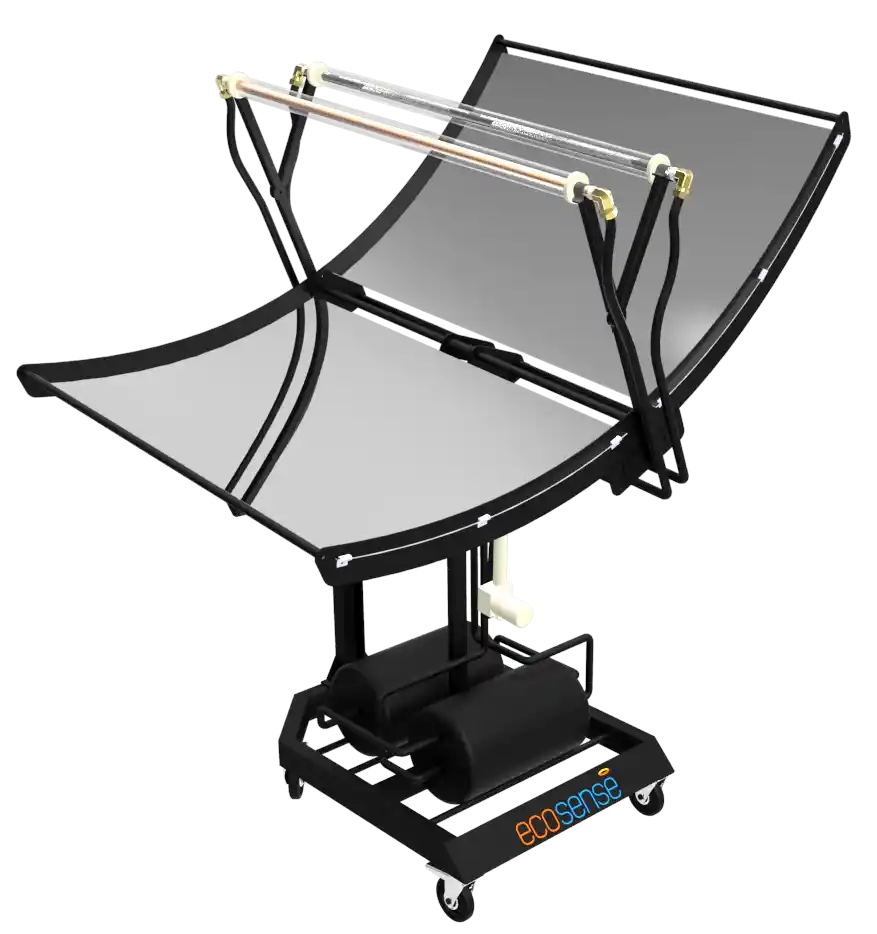
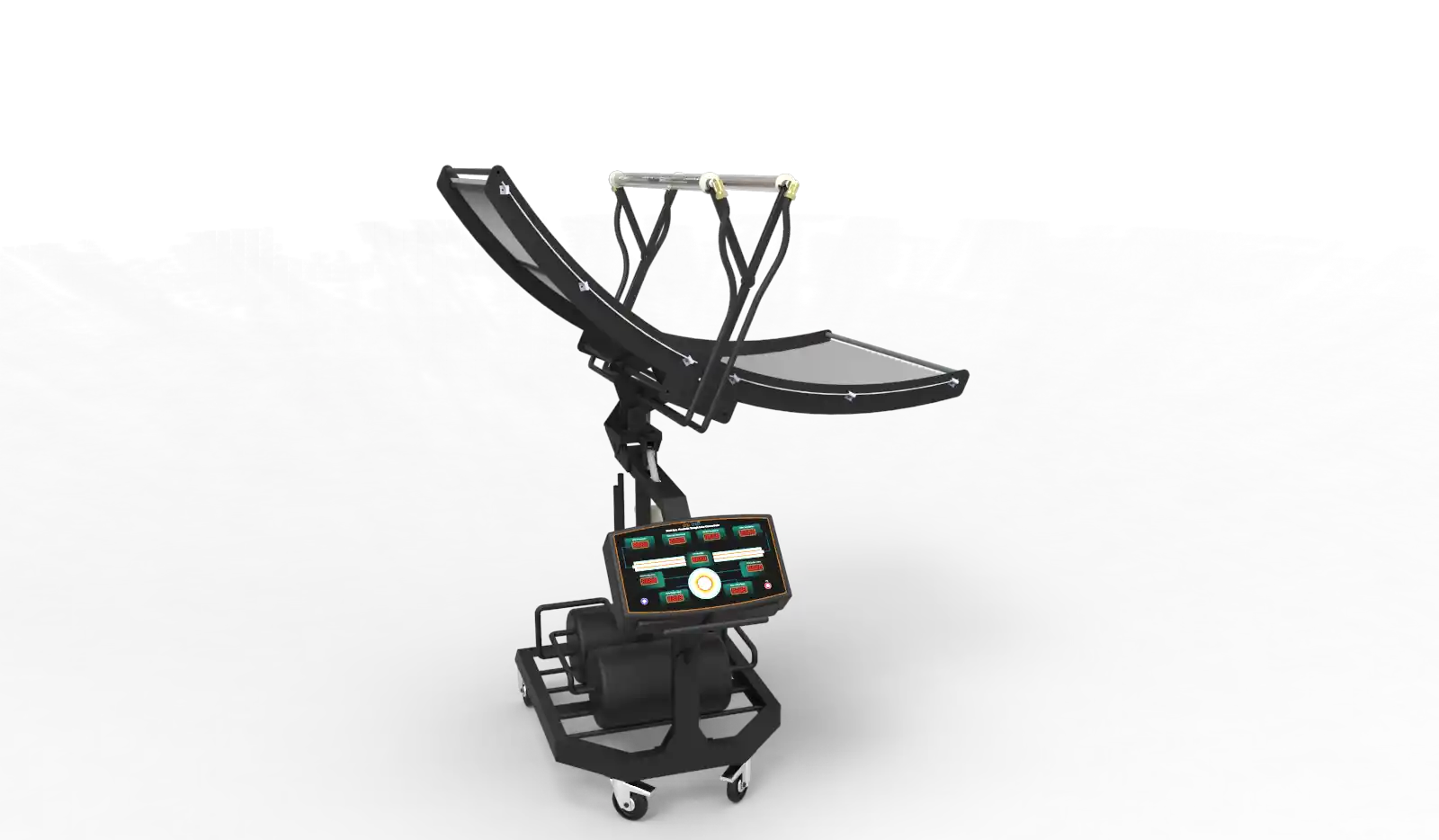
The Solar Concentrator Training System is a compact and modular experimental platform designed to replicate the functionality of a solar parabolic trough collector-based water heating system. Comprising parabolic reflectors, absorber tubes, a sun tracking mechanism, piping, storage tanks, and a control panel, this system facilitates hands-on learning and in-depth research in solar thermal technologies. Its adaptability to various working fluids, absorber materials, insulation thicknesses, and storage configurations makes it an invaluable tool for both educational institutions and research laboratories aiming to explore heat transfer dynamics and system efficiency under diverse conditions. 

Key Features

  • Dual-Axis Sun Tracking Mechanism: Ensures optimal solar energy capture by continuously aligning the parabolic reflector with the sun's position throughout the day.
  • Versatile Absorber Tubes: Equipped with two absorber tubes compatible with different materials (copper and stainless steel) and fluids (water and oil), allowing comparative studies on thermal performance.
  • Flexible Working Fluid Options: Supports experimentation with various fluids, including water and thermal oils, to analyze their impact on heat transfer efficiency.
  • Adjustable Flow Rates: Provides the ability to vary fluid flow rates, enabling the study of their effects on system performance and heat absorption.
  • Modular Storage Tanks: Features two stainless steel storage tanks—one with an integrated heat exchanger—facilitating experiments with different storage configurations.
  • Comprehensive Measurement Panel: Includes sensors and meters for real-time monitoring of temperature, pressure, flow rate, solar radiation, and wind speed, enhancing data accuracy and analysis.
  • Indoor Experimentation Capability: Designed to accommodate indoor experiments using artificial light sources, ensuring uninterrupted research regardless of weather conditions.
  • Data Logging with GUI: Comes with a graphical user interface that allows real-time data visualization and logging, streamlining the analysis process.
Ecosense

Learning Module 

Ecosense

Performance Evaluation of Parabolic Trough Collector Systems

Develop a comprehensive understanding of parabolic trough solar concentrators by analyzing key performance parameters such as:

  • Overall thermal efficiency (η)
  • Heat removal factor (FR)
  • Heat loss coefficient (UL)
  • Learn how different operating conditions—like solar irradiance, inlet fluid temperature, and ambient temperature—affect energy output. Use real-time data monitoring and dual-axis sun tracking to ensure accurate, high-resolution analysis of system behavior.

Working Fluid, Flow Rate, and Thermal Storage Analysis

Explore the impact of system variables on solar heat transfer efficiency:

  • Compare the performance of different working fluids such as water and thermal oil in real-time experiments.
  • Study how fluid flow rate variations influence heat absorption and identify optimal operating conditions.
  • Conduct comparative analysis using modular storage tanks, including one with a built-in heat exchanger, to understand storage behavior and thermal retention dynamics.

Environmental and Structural Optimization Experiments

Understand how design and environmental factors affect the efficiency of solar concentrator systems:

  • Analyze the effect of insulation thickness on heat retention and collector performance.
  • Evaluate how inlet fluid temperature variations impact system responsiveness and thermal gain.
  • Investigate the influence of wind speed and ambient conditions on overall system heat losses and energy output.
  • Use indoor experimentation capabilities with artificial light sources to ensure continuous research irrespective of outdoor weather.

Technical Description

  • The Solar Concentrator Training System is engineered to demonstrate concentrated solar thermal energy conversion using a laboratory-scale parabolic trough collector.
  • A precision parabolic reflector focuses direct solar radiation along the focal line to achieve high solar flux concentration.
  • The system features two independent receiver tubes mounted at the focal axis—one dedicated to water heating and the other to thermal oil heating.
  • The water receiver loop enables experiments on sensible heat gain, temperature rise, and thermal efficiency for low- to medium-temperature applications.
  • The thermal oil receiver loop supports higher operating temperatures, allowing study of heat transfer characteristics relevant to CSP systems.
  • An automatic sun-tracking mechanism continuously aligns the concentrator with the sun to minimize optical losses.
  • Separate pumps, flow control valves, and insulated piping allow independent operation of both heating circuits.
  • Integrated temperature, flow, and irradiation sensors provide real-time performance data.
  • The system enables comparative analysis of water versus oil as heat transfer media, bridging theory with practical solar thermal operation.
Ecosense

Technical Specifications 

Ecosense

Heat Generating & Collection Unit


ParametersSpecifications
Concentrator TypeParabolic Trough Collector
Reflector MaterialAcrylic mirror
Collector Length1219.2 mm
Arc Length1828.8 mm
Absorber Tubes2 (Water & Thermal Oil)

* specifications can be customized as per user's requirement

Thermal Storage & Fluid Circuit


ParametersSpecifications
Working FluidsWater and Thermo-Oil
Storage Tanks2 Nos. (One with heat exchanger)
Tank MaterialStainless Steel
PumpsHot water pump & Hot oil pump
InsulationConfigurable insulation thickness

* specifications can be customized as per user's requirement

Control, Instrumentation & Accessories


ParametersSpecifications
Sun TrackingDual Axis
Temperature MeasurementDigital temperature sensors
Flow MeasurementInline flow meter with regulator
Solar Radiation Meter0–1999 W/m² range
Wind Speed Measurement0.4–45 m/s anemometer

* specifications can be customized as per user's requirement

Related Products

Frequently Asked Questions

A solar concentrator focuses direct normal irradiance onto a small-area multi-junction solar cell using reflective or refractive optics. The high solar flux increases cell output, while heat sinks or active cooling maintain cell temperature. This approach achieves very high electrical efficiency but requires precise sun tracking and clear-sky conditions.

The concentrator focuses sunlight onto a thermal receiver coupled to a Stirling engine hot end. The absorbed heat creates a temperature gradient that drives the engine’s piston, converting thermal energy directly into mechanical motion and then electricity via a generator. This method offers high conversion efficiency and quiet operation.

Concentrated sunlight heats a receiver tube at the focal line. A working fluid (water or thermal oil) circulates through the tube, absorbs heat, and transfers it to storage tanks or heat exchangers. This thermal energy can be used for process heating, experimentation, or downstream power generation.

It enables high-temperature operation, supports multiple energy conversion pathways, offers dual working fluids, provides precise instrumentation, and allows controlled experimentation on efficiency, heat loss, and tracking—ideal for teaching and research.

It depends on direct sunlight, requires accurate tracking, has higher mechanical complexity than flat collectors, and needs outdoor installation space with clear solar access.

Get in Touch

Ready to transform your labs?

Contact Now