Wind Turbine Emulator - Fuel Cell Microgrid 

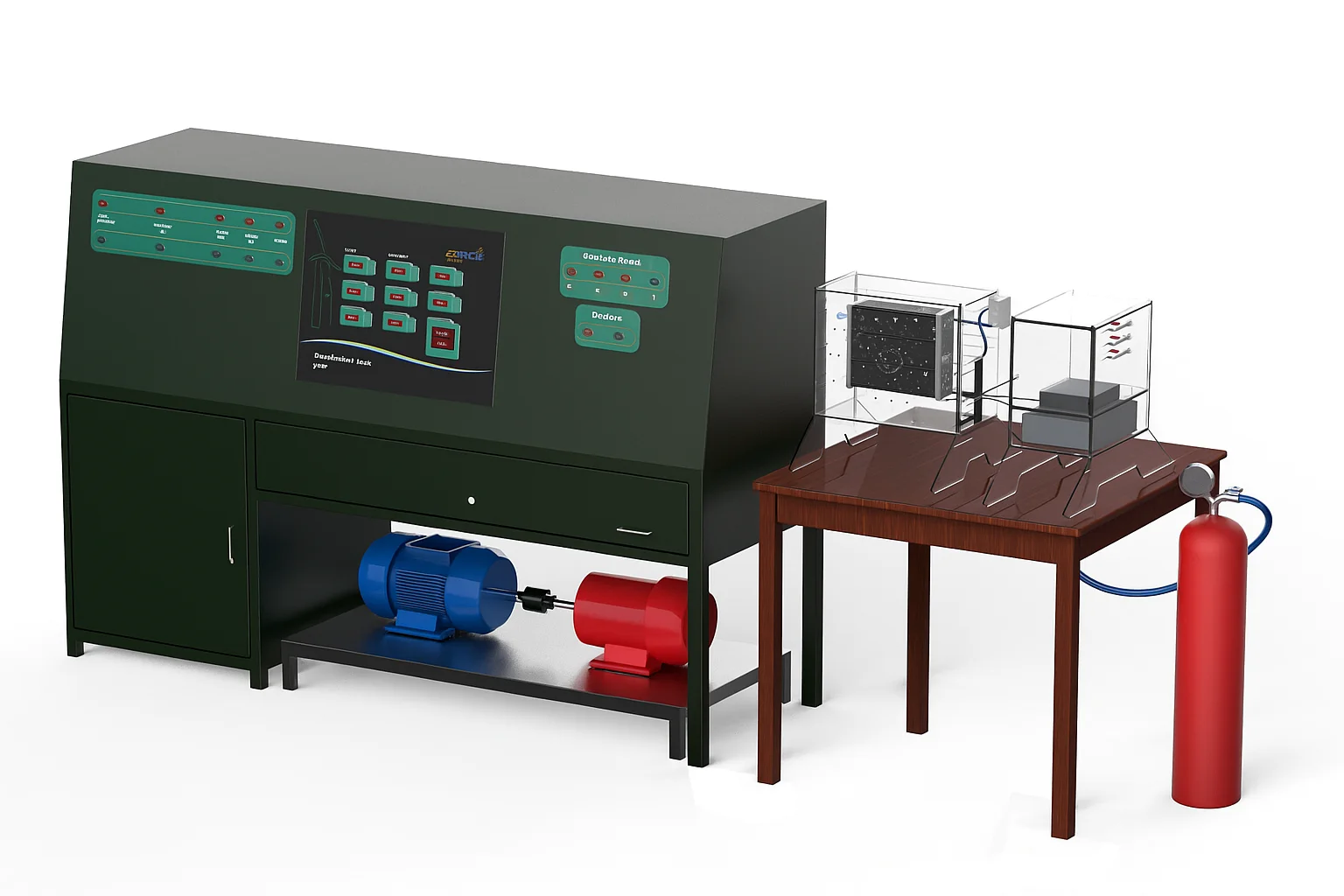
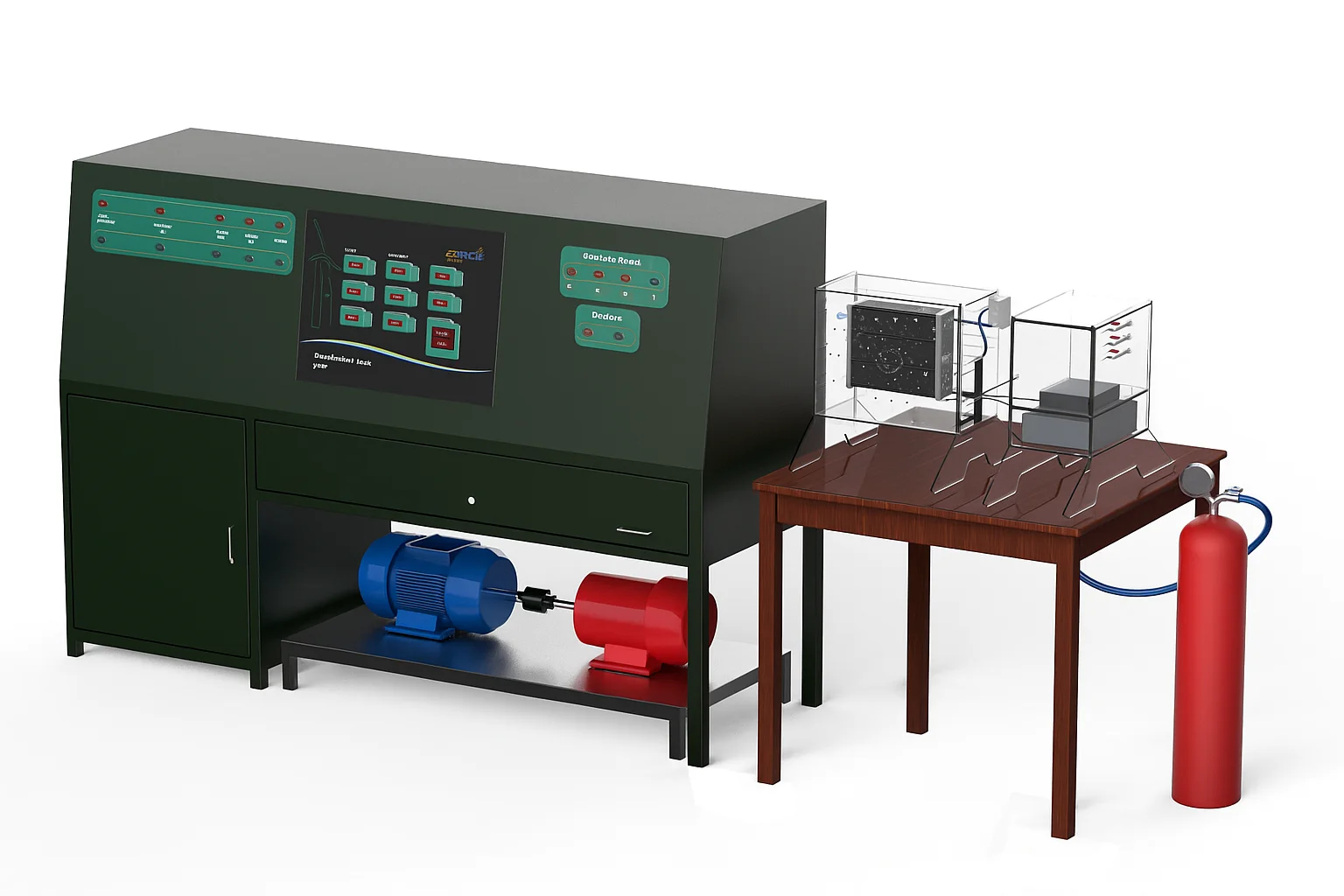
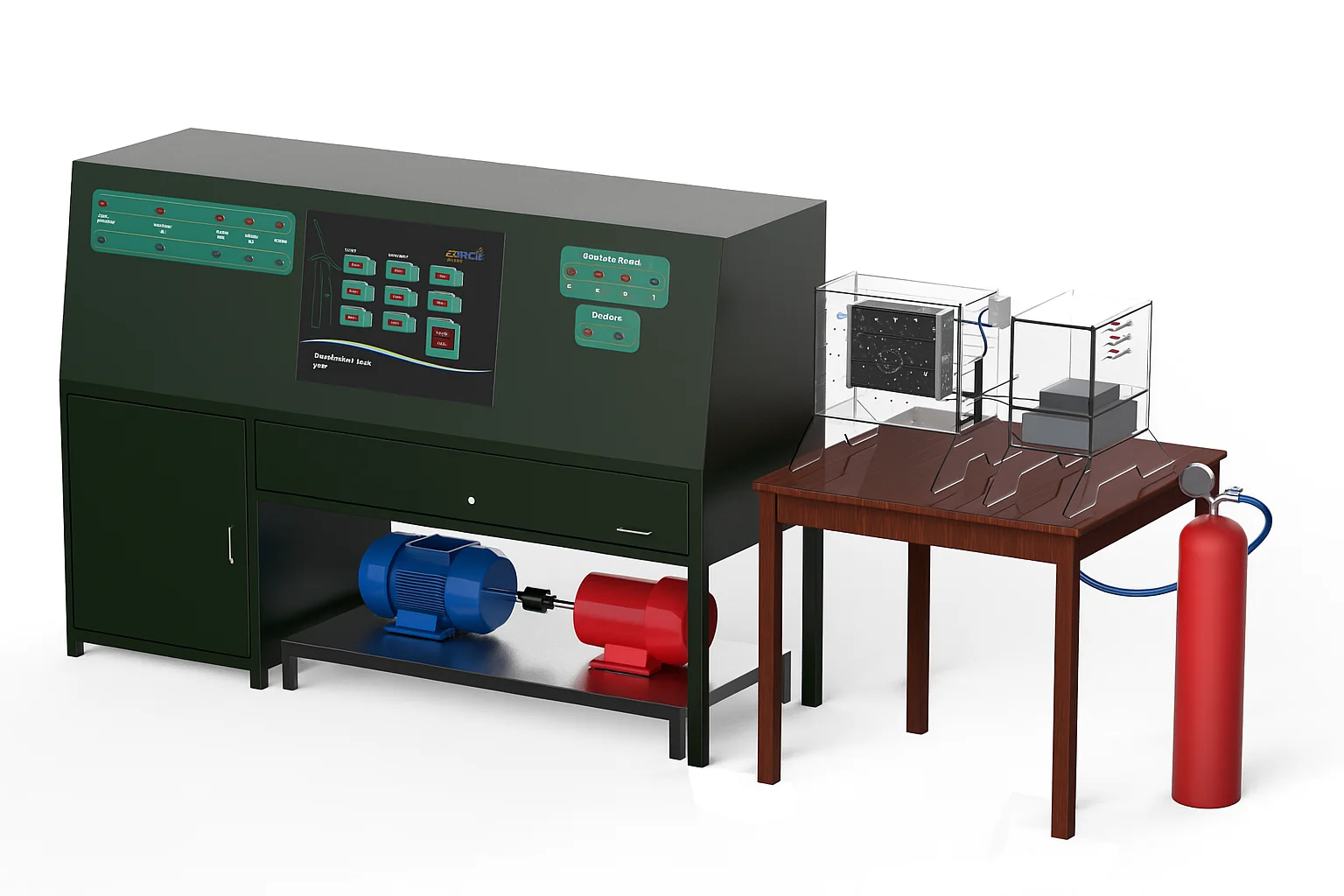
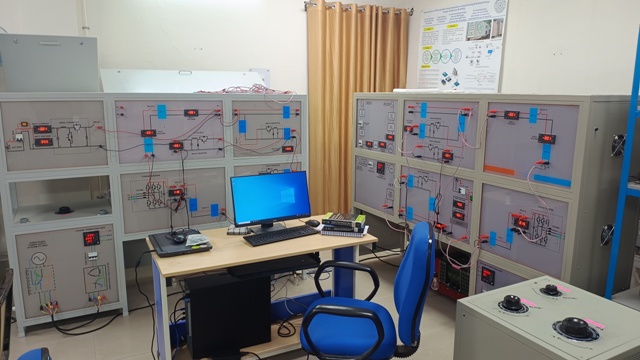
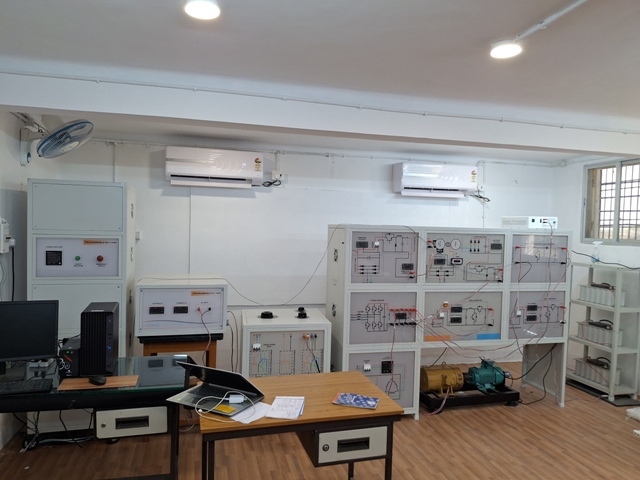
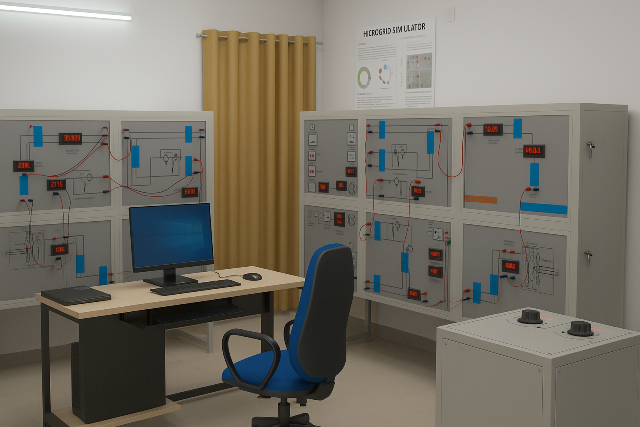
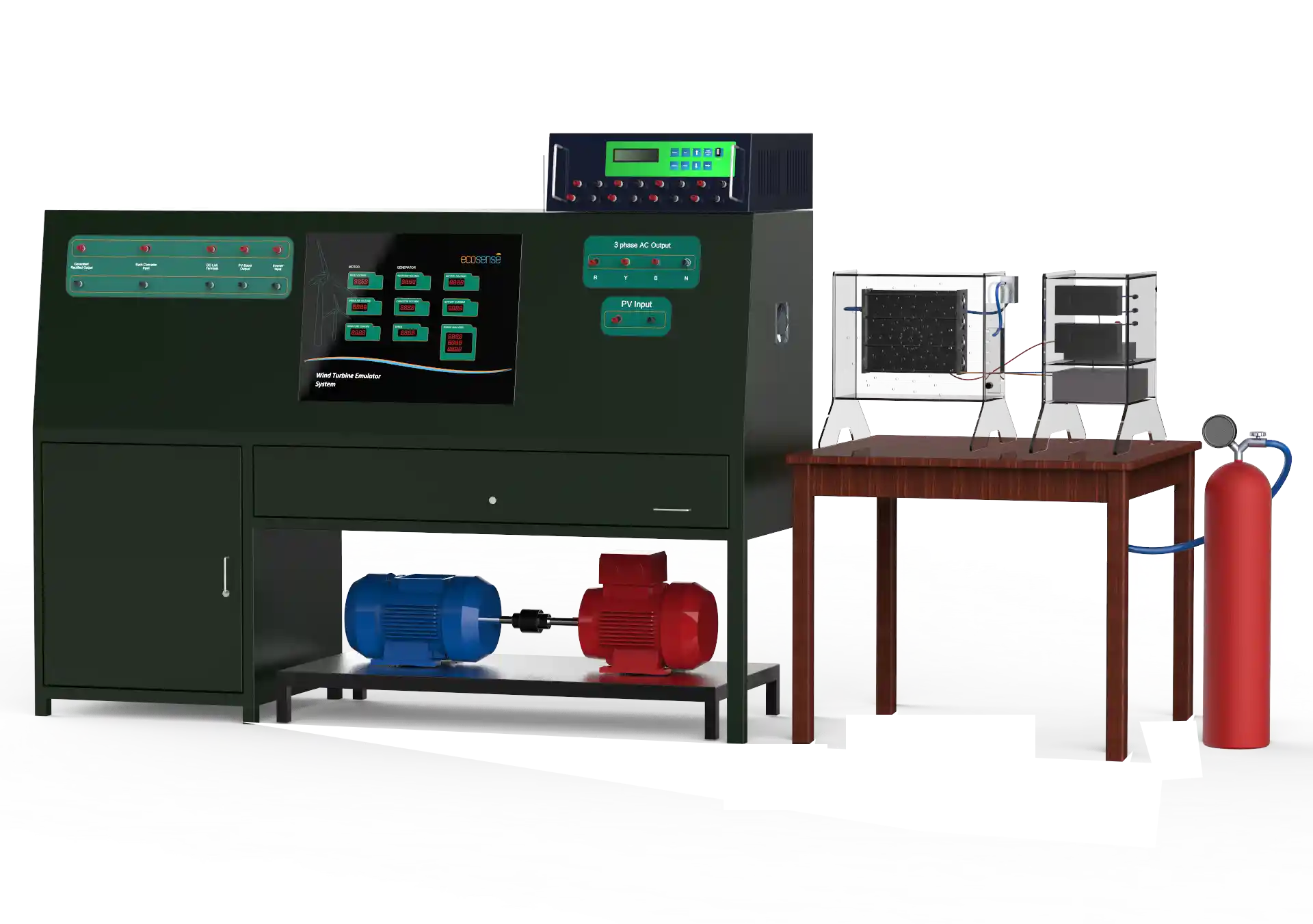
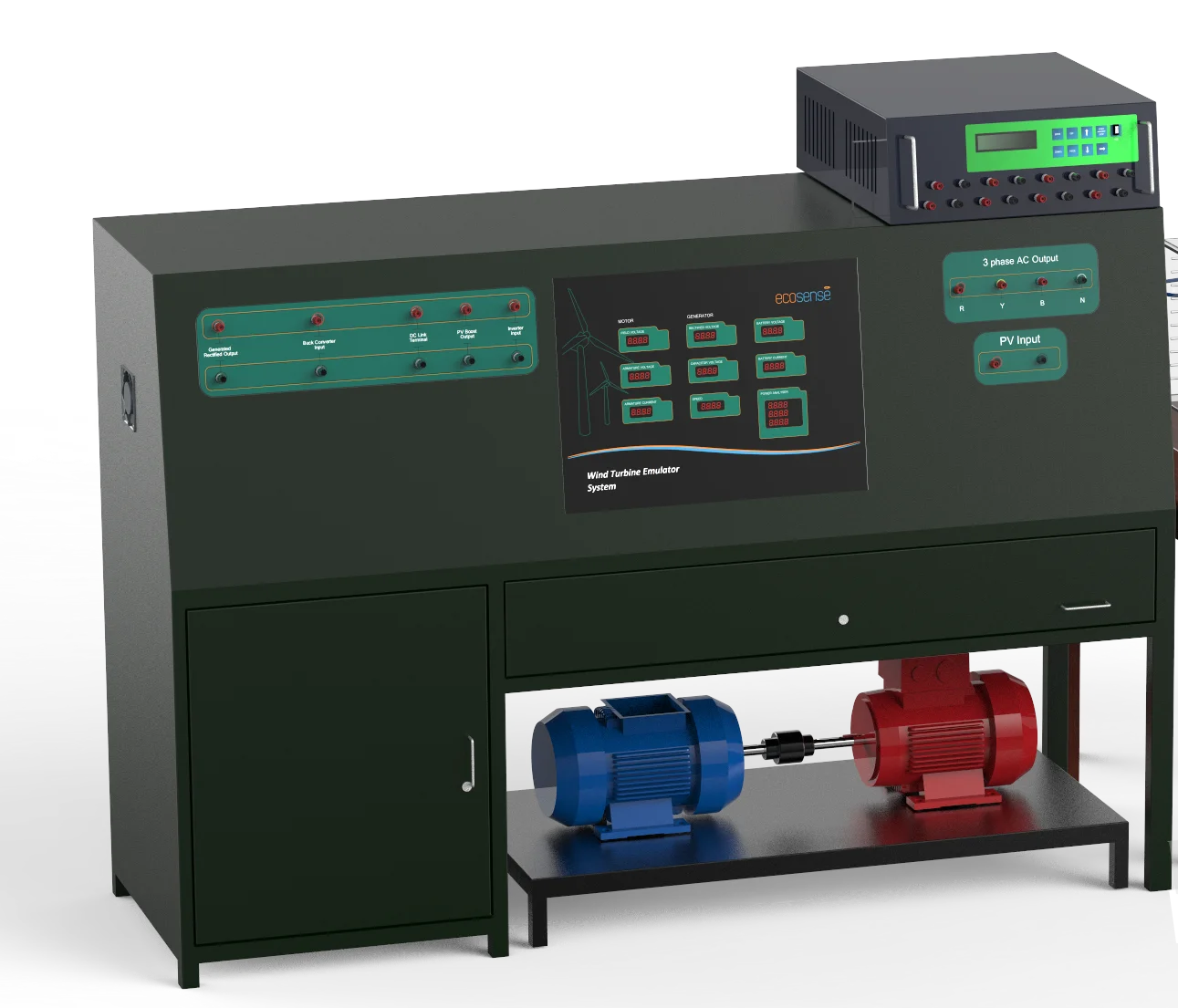
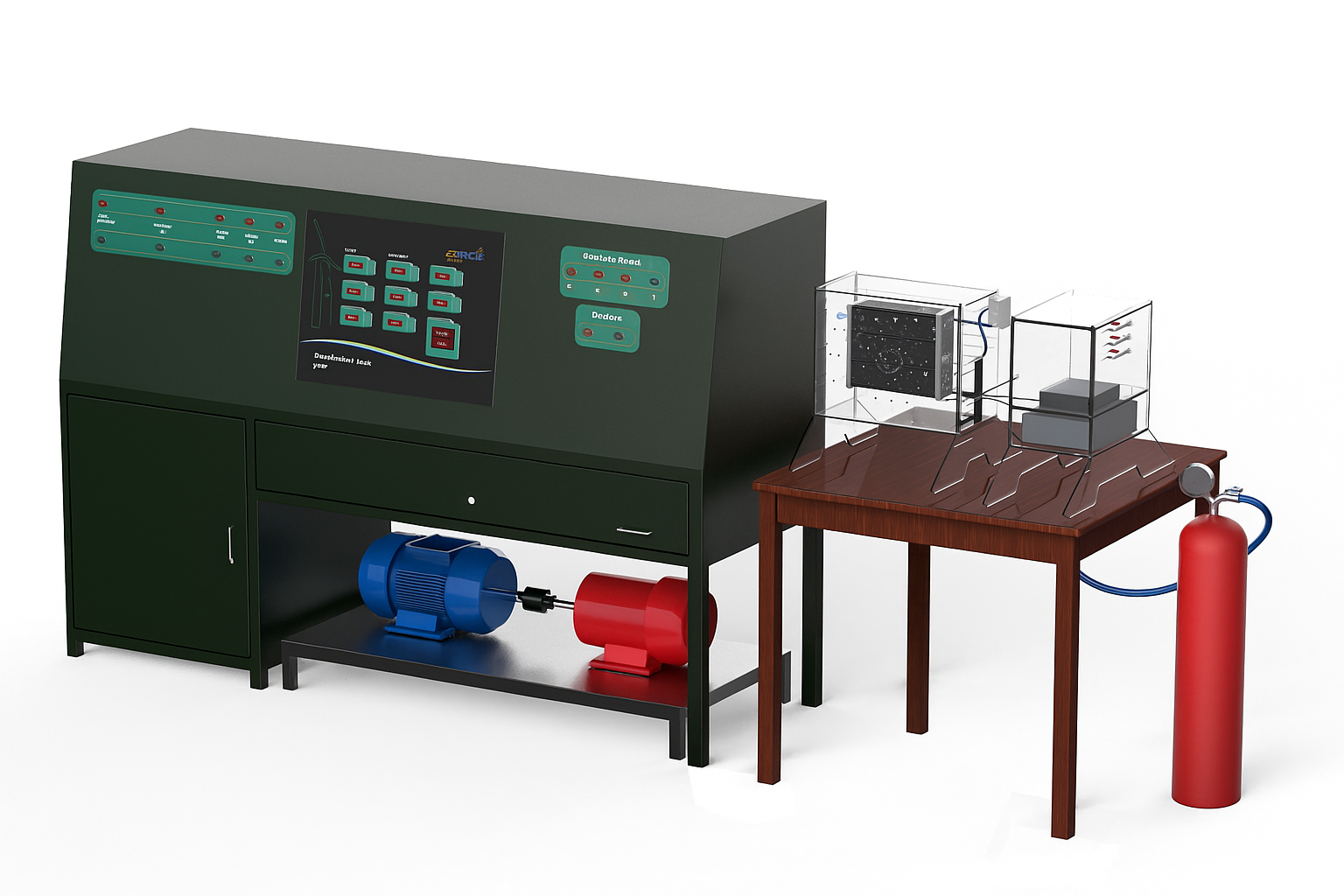
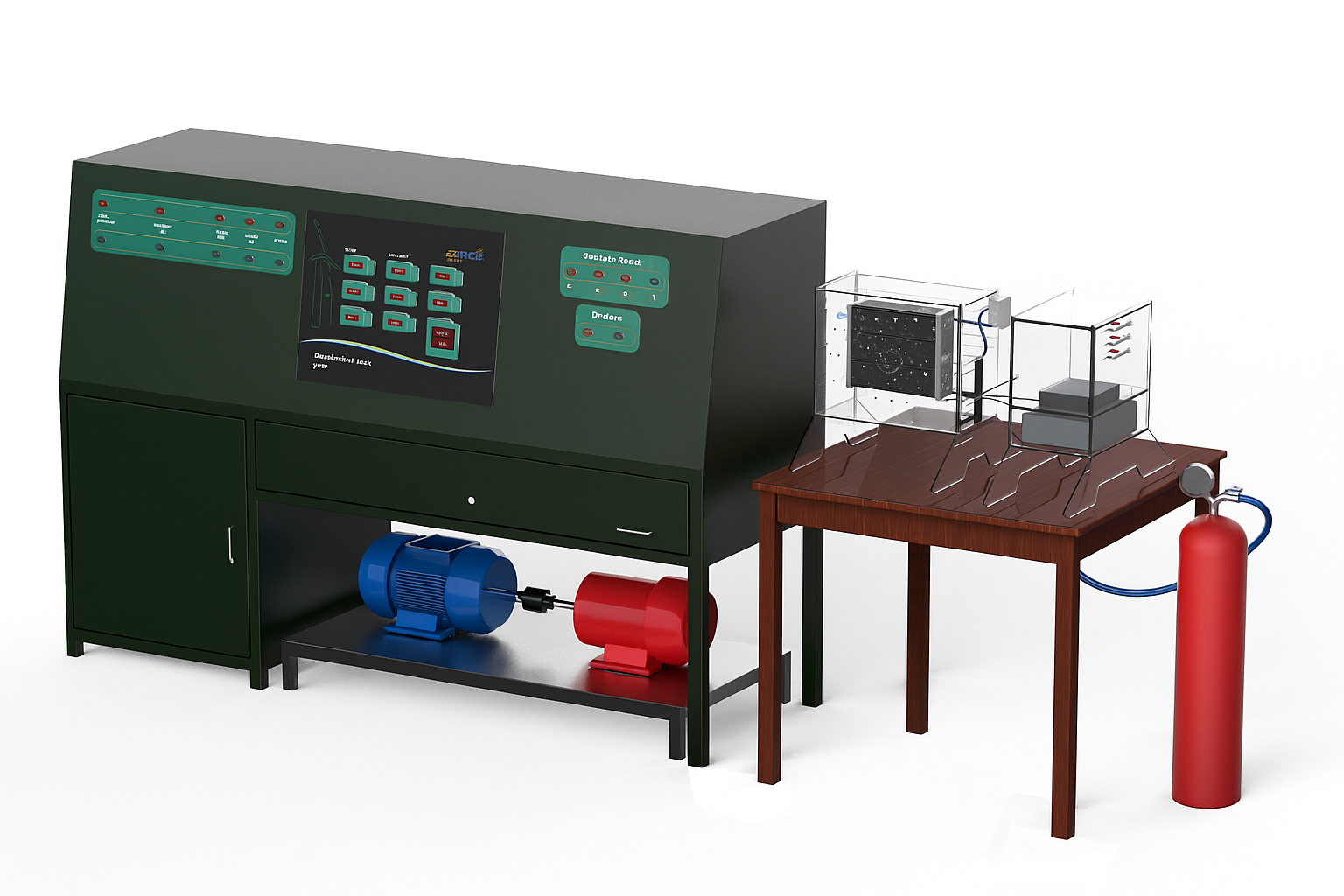
The WTE-FC Microgrid is an advanced hybrid energy training and research platform that integrates a Wind Turbine Emulator (WTE) with a Proton Exchange Membrane (PEM) Fuel Cell system. Designed to explore power continuity and backup energy strategies in microgrids, this system enables users to simulate and analyze the interplay between intermittent renewable generation and steady hydrogen-based power supply. The platform mirrors real-world microgrid operation, where wind energy serves as the primary variable source and hydrogen fuel cells provide reliability during low-wind scenarios. This system is ideal for developing skills in microgrid design, renewable backup strategies, energy security analysis, and grid-independent operation. 
Key Features

  • Wind Turbine Emulator with Custom Wind Profiles: Simulate dynamic wind behavior using built-in or imported profiles.
  • Torque-Speed and Power-Speed Modeling: Study wind turbine characteristics in detail under different rotor and pitch settings.
  • PEM Fuel Cell Stack (1000 W): Air-cooled, 48-cell system with self-humidification and onboard safety sensors.
  • Prefilled Hydrogen Cylinder: Enables immediate setup and experimentation with high-purity hydrogen.
  • Charge Controller and Battery Bank: Manage energy flow between fuel cell, battery, and load.
  • Optional Supercapacitor Integration: Available for enhancing transient response and energy buffering.
  • Inverter Integration: Supports both DC and AC loads.
  • Optional Programmable DC and AC Load: Enable dynamic load testing and performance analysis.
  • Real-Time Monitoring Panel: Track voltage, current, power, hydrogen flow, and system temperature.
  • Hydrogen Leak Detection System: Triggers automatic shutdown and alerts in case of leak.
  • Open-Source Software Platform: Allows customization of control logic for advanced research and teaching.
  • LabVIEW Integration: Real-time data logging and control environment.
Ecosense

Learning Module 

Ecosense

System Modeling & Renewable Source Analysis

  • Wind Turbine Emulation and Analysis
    • Study Cp–λ curves, pitch angle variation, and rotor dynamics.
    • Simulate wind behavior using custom, manual, or real-world wind profiles.
    • Understand torque-speed and power-speed relationships under variable wind speeds.
  • PEM Fuel Cell Operation and Performance
    • Analyze V–I characteristics, power output, and temperature effects.
    • Study purge cycles, self-humidification behavior, and stack degradation.
    • Observe hydrogen flow response and identify performance influencers.

Hybrid Microgrid Control, Storage & Load Management

  • Hybrid Energy Coordination & Source Prioritization
    • Implement control algorithms to manage power dispatch between wind and fuel cell.
    • Develop logic-based prioritization during fluctuating wind availability.
    • Analyze transient switching, dynamic stability, and fault scenarios.

System Integration, Grid Interaction & Customization

  • Grid-Tied and Off-Grid Operation
    • On grid and off grid operation posiible
  • Real-Time Monitoring and LabVIEW Interface
    • Monitor voltage, current, power, hydrogen flow, and stack temperature in real time.
    • Use LabVIEW software for control, logging, and interactive experiment setup.
  • Custom Algorithm Deployment and Open-Source Flexibility
    • Modify open-source code to implement new control strategies.
    • Design and test MPPT routines, fuel cell optimizers, or hybrid controllers.
    • Ideal for academic projects, research, and prototyping smart microgrid logic.


Technical Description

  • The WTE–FC Hybrid Microgrid Lab integrates a Wind Turbine Emulator (WTE) and a PEM Fuel Cell on a common DC microgrid for education and research.
  • The wind turbine emulator reproduces real turbine behavior using a motor–generator set controlled by programmable wind profiles.
  • A rectifier and DC–DC buck converter regulate wind-generated power before feeding the DC link.
  • The PEM fuel cell stack supplies clean DC power, boosted through a dedicated DC–DC converter to match the DC bus voltage.
  • A bidirectional DC–DC converter interfaces the battery bank, enabling energy storage, charging, and regenerative operation.
  • All sources converge at a controlled DC link, forming a flexible DC microgrid architecture.
  • A three-phase voltage source inverter (VSI) synchronizes and injects power into the utility grid through an LC filter and transformer.
  • The system supports both grid-connected and standalone operating modes.
  • Open-source LabVIEW-based control allows users to modify MPPT algorithms, source prioritization, and load management strategies.
  • Real-time sensing of voltage, current, speed, and power enables advanced microgrid control, protection studies, and power quality analysis.
Ecosense

Technical Specifications 

Ecosense

Wind Turbine Emulator (WTE)


ParametersSpecifications
Emulator Rating1.2 kW PMS Generator
DC Motor Drive2 HP, 220 V DC, 1500 RPM
Operating ModesManual, Table, Simulated (CSV wind profiles)

* specifications can be customized as per requirements.

Fuel Cell System


ParametersSpecifications
Fuel Cell TypePEM Fuel Cell Stack
Rated Power1 kW (28.8 V, 35 A)
Hydrogen Purity≥ 99.995% (Dry H₂)

* specifications can be customized as per requirements.

Microgrid & Power Interface


ParametersSpecifications
DC Link Voltage150 V DC
Grid Interface3-Phase VSI with LC Filter
Operating ModesGrid-Connected & Standalone

* specifications can be customized as per requirements.

Related Products

Frequently Asked Questions

Fuel Cell Microgrid Labs primarily benefit engineering students, researchers, and faculty working in renewable energy, smart grids, and power electronics. They are also valuable for institutions developing Centres of Excellence, enabling hands-on learning in microgrid control, hydrogen energy systems, and grid integration research.

Fuel cell microgrids reduce energy costs by improving overall system efficiency and minimizing dependence on the utility grid during peak demand. The use of local generation, intelligent load management, and hybrid operation with renewables helps reduce transmission losses and peak energy charges.

Fuel cell microgrids generate electricity through electrochemical reactions with minimal emissions. When hydrogen is used, the primary by-products are water and heat, resulting in significantly lower carbon emissions, reduced air pollutants, and support for clean energy transition studies.

Fuel cell microgrids enhance reliability by providing continuous, controllable power independent of weather conditions. Integrated energy storage and seamless transition between grid-connected and standalone modes ensure uninterrupted power during grid disturbances or outages.

The cost of a Fuel Cell Microgrid Lab varies based on system capacity, level of automation, and customization requirements. Educational setups are typically modular and scalable, with pricing determined by selected components, research features, and integration scope.

Get in Touch

Ready to transform your labs?

Contact Now